

Audio By Carbonatix
Ghanaian owned agribusiness giant, Marphlix Trust Company Limited has revived a long-abandoned irrigation facility under the Ministry of Food and Agriculture (MOFA), opening new opportunities to train thousands of young Ghanaians in agribusiness and export-oriented farming.
The facility, originally developed through a partnership between the Ghana Irrigation Development Authority (GIDA) and Israeli firm Agritop, had been idle for nearly eight years. Now repurposed by Marphlix Trust, it is being transformed into a modern training hub aimed at equipping young people with practical skills along the agricultural value chain — from production to marketing and exports.
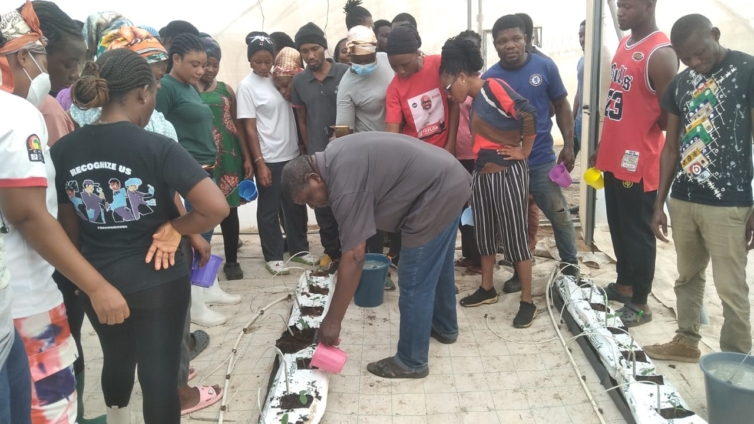
According to the company’s Chief Executive Officer, Dr Felix Mawuli Kamassah the project targets training more than 5,000 youth, many of them unemployed graduates. Trainees are housed on-site, provided with meals and allowances, and given hands-on exposure to greenhouse and open-field farming, irrigation, crop research, and agribusiness management.
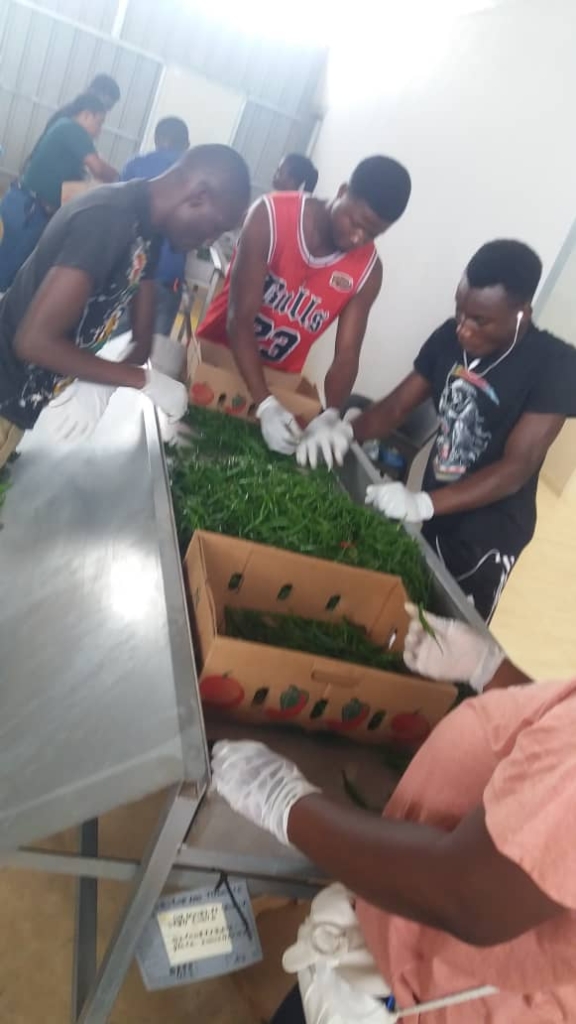
“This is not just farming, it is business,” the CEO told myjoyonline.com . “We are teaching the youth to grow what the market demands. Beyond training, we provide them with inputs and guaranteed market linkages to secure sustainable incomes.”
Beneficiaries have already begun testifying to the impact. Matilda Agbloe, a graduate from Ohawu Agricultural College, said the program has restored her hope after years of joblessness. “After school, I had no capital to start. This opportunity is equipping me to launch my own agribusiness with a focus on exports,” she said.
Christabel Fafa Dogbe, who previously worked in the hospitality sector, described the training as life-changing. “I want to become one of Ghana’s leading vegetable farmers. We are learning how to produce safe, organic crops that can compete in both local and international markets,” she explained.
The revived facility will focus on producing tomatoes, chili, habanero, cucumbers, and other vegetables, with the ambition of capturing at least 20 percent of Ghana’s tomato market and driving exports to boost foreign exchange earnings.
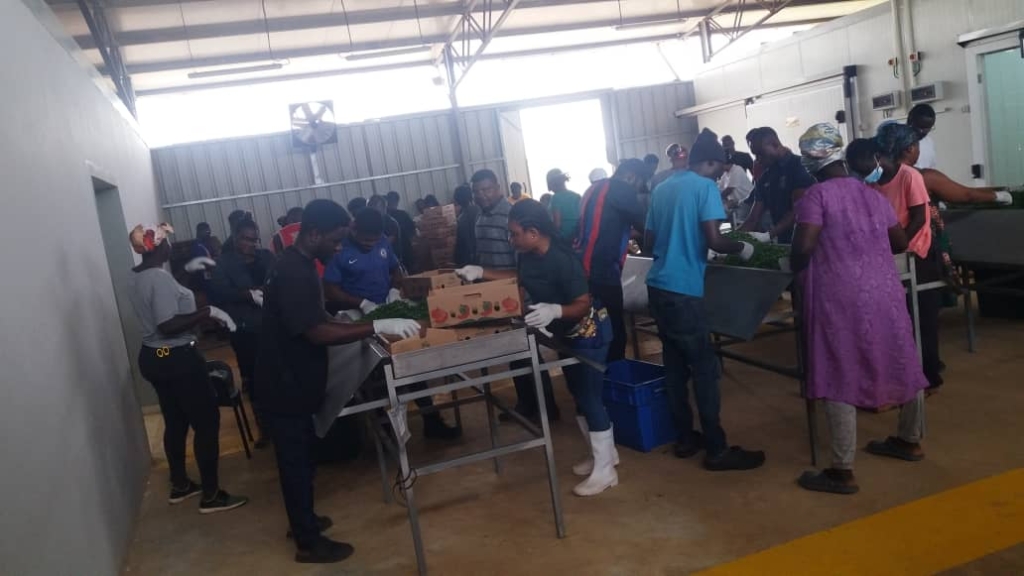
Marphlix Trust envisions replicating the model across other irrigation sites in the country, ultimately building “agro-vegetable cities” that reduce youth unemployment, enhance food security, and strengthen Ghana’s agribusiness export base.
“This is the future of agriculture,” the CEO emphasized. “It is no longer about cutlass and hoe. With modern technology and mechanization, agribusiness is creating real jobs and wealth for young people.”
Latest Stories
-
‘Our missing players are more important’ – Gambia coach fires shot at Ghana
58 minutes -
Today’s front pages: Tuesday, September 29, 2026
1 hour -
Ghana ‘showing up differently’ on global stage – Joyce Bawah Mogtari
1 hour -
Ghana’s tuna industry in crisis as 20 hook-and-line vessels collapse
2 hours -
South Tongu MP launches apprenticeship programme for 159 young people
2 hours -
The Pusiga connection behind Gertrude Atongi’s work in New York
3 hours -
Teachers took promotion exams in December to beat government clearance deadline – GNAT
3 hours -
NPA launches 2026 staff welfare week with focus on teamwork and employee wellbeing
3 hours -
Ghana, Saint Kitts and Nevis sign labour deal to strengthen protections for Ghanaian nurses
3 hours -
Delayed promotions put teachers’ retirement benefits at risk – GNAT
3 hours -
No ‘Bawumia candidates’ in NPP executive elections – Anthony Karbo
3 hours -
Over 3,000 displaced as flooding overwhelms Hohoe communities
3 hours -
Sunyani East NPP executives begin reconciliation drive ahead of 2028 polls
3 hours -
Agric Minister engages Ga Mantse on agriculture transformation agenda
3 hours -
Aayalolo expansion targets private car users, not trotro operators – Mahama Ayariga
3 hours