

Audio By Carbonatix
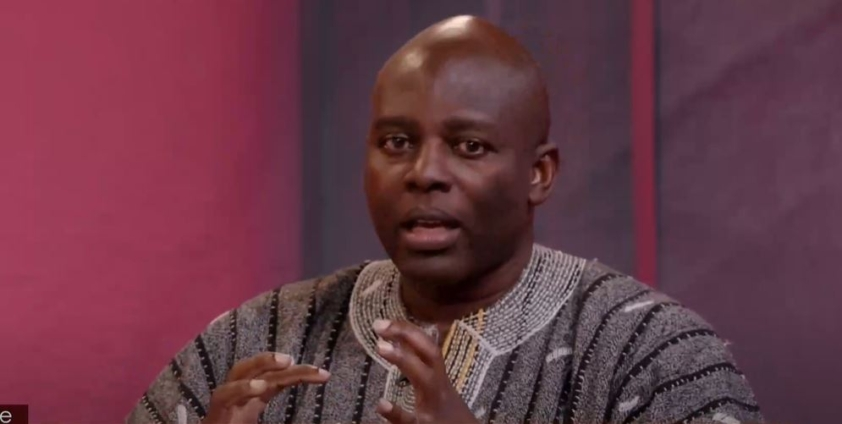
Money continues to shape outcomes in party primaries, and that reality is unlikely to change anytime soon, a Fellow at the Centre for Democratic Development (CDD-Ghana), Dr John Osae-Kwapong, has said.
Speaking on Joy News’ PM Express on Monday, Dr Osae-Kwapong said incidents of vote-buying and vote-influencing remain deeply embedded in Ghana’s internal party politics.
He said Ghanaians continue to “see or read or hear stories” about the same practices during party contests, often framed as support for transportation or logistics, but the effect is the same.
Dr Osae-Kwapong said he does not expect that dynamic to change, especially in internal party elections, despite growing public concern about the influence of money.
“I don’t think that dynamic of electoral politics, especially when it comes to internal party politics, would change,” he said.
The CDD-Ghana Fellow said he supports the Constitutional Review Committee's recommendations to reform how parties conduct their primaries.
He said one proposal worth serious consideration is opening up internal party elections to all registered members in good standing, rather than restricting voting to a small group of delegates.
“I have advocated, and I support the recommendation from the constitutional review committee that when it comes to internal party elections, if you are a registered member of the political party in good standing, you should be allowed to participate in party primaries,” he said.
Dr Osae-Kwapong, however, expressed doubt about whether political parties would be willing to adopt such reforms.
He argued that limiting primaries to delegates makes it easier for candidates with deep pockets to influence outcomes.
“If our concern is that a candidate can easily, quote, unquote, buy a number of delegates, then to make it harder to do that, if you have an open primary, it is more difficult to quote and quote by an entire constituency than it is to quote and quote by a group of delegates,” he said.
Despite this, he remains pessimistic about near-term change.
“But I don’t see that dynamic, as cynical as that may sound, I don’t see that dynamic changing in the primaries and party elections,” Dr Osae-Kwapong added.
His comments come as political parties prepare for another round of internal contests ahead of future national elections, amid renewed scrutiny of campaign financing, vote buying, and the credibility of internal democratic processes.
Latest Stories
-
Nana B passport claims a diversionary tactic — Abu Jinapor
47 minutes -
Pope Leo diagnosed with cancer as doctors remove lobe of lung, Vatican says
48 minutes -
Legal Aid Commission takes free legal services to Techiman main lorry terminal
52 minutes -
Nana B denies seeking passport favour, accuses Ablakwa of failing to account for GH¢16.4m
57 minutes -
Young girls demand climate action, stronger protection against child marriage
1 hour -
Ex-gang boss sentenced to 40 years for orchestrating Tupac Shakur’s murder
1 hour -
From near-deferral to three awards: UMaT graduate’s academic journey
1 hour -
Atta Akyea denies seeking presidential pardon for Wontumi in galamsey case
2 hours -
Photos: Mahama commissions 85-bed Police Hospital ward, donates two ambulances
2 hours -
GTEC directs Ghana’s public universities to reopen by October 16 and begin lectures on October 19
2 hours -
Star Oil donates GH¢1million towards construction of new CID facility
2 hours -
Court hands Adjetey Sowah, two others lifetime bans after Amputee Football legal dispute
2 hours -
NDC appoints Julius Kwame Anthony as a Deputy Communications Director
2 hours -
Ghana repatriates 120 Nigerians rescued from suspected cybercrime centres
2 hours -
NPP rejects Emelia Agbenyo’s appointment as Deputy EC Chair, demands withdrawal
2 hours