

Audio By Carbonatix
The National Ambulance Service (NAS) attended to 1,088 patients between July and September in the Central Region.
The beneficiaries had different emergency health issues, ranging from maternal, road traffic accidents, medical cases, investigative cases, and some special duty cases.
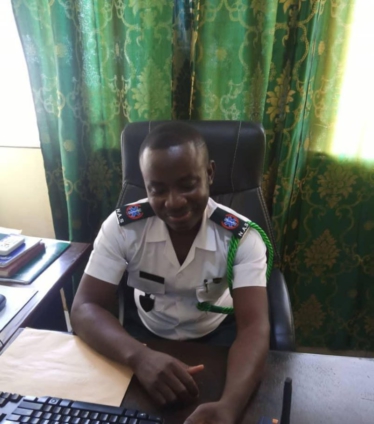
Mr Francis Ohemeng Nyantakyi, the Regional Director of NAS, in an interview with the Ghana News Agency (GNA) in Cape Coast, said women were the highest beneficiaries.
He said from July to September, 603 women against 485 men were saved with 46 of the cases being road traffic accidents, 295 medical, 254 maternal, 320 investigative, 16 special duty cases, 148 pediatrics, and nine Covid-19 cases.
He said patronage was a bit lower in the previous quarter because of the resurgence of COVID-19 and its related issues.
Speaking on challenges, the Director said requests for services were growing, adding the current volume of fuel supply allocated to the Service, was inadequate.
“The fuel we get for our work is no more sufficient because the task is now huge and so we have adopted a system where we accept little support from beneficiaries who are willing and able to support.”
He said the road network in some areas were bad and had resulted in a high cost of vehicle maintenance.
Others are lack of personnel and accommodation for staff.
Notwithstanding these challenges, he assured the public of their commitment to saving lives and urged all to call on the NAS during health emergencies.

Mrs Georgina Appiah, a Senior Midwife in charge of the Maternal Ward at the Cape Coast Metropolitan Hospital, told the GNA that there were some recognisable delays by the ambulance response team which constantly posed risks for patients.
Generally, she applauded the team for the commitment shown in their line of duty but admonished them to respond on time in other to lower the risk of death of patients.
“So far, so good. I see their patriotism and commitment to their work, I know the delay is probably something they have no control of but we plead that such issues are resolved to protect the interest of our patients”, she added.
Sharing some experiences, Mrs Hannah Asomaning, a trader, said she had to wait for the ambulance for some time after she was given a referral letter for treatment at the Teaching Hospital.
Latest Stories
-
Centre for CSR, West Africa partners with Climate x Culture Summit to champion corporate sustainability at Google AI Centre
5 minutes -
Petrosol donates medical equipment to Bolgatanga Hospital
6 minutes -
Zongo Health Campaign screens over 110 Mamobi residents
20 minutes -
Cybercriminals using AI tools to carry out operations – Cyber Security Authority
27 minutes -
Ghana must invest more in mental health and healthier workplaces – Nurse advises
28 minutes -
NAPG Summit equips Administrative Professionals for strategic impact and the AI-driven workplace
36 minutes -
NHIA urges amendment of Health Insurance Act to accommodate free primary healthcare
40 minutes -
Ghana is tackling cybercrime head-on, not becoming a hub for it – CSA
42 minutes -
We’ll deliver without fear or favour – New EC Deputy Chairpersons assure Mahama
42 minutes -
Six Ukrainian energy sites hit by Russia since Trump announced ceasefire, Zelensky says
1 hour -
Government directs GTEC to prepare public universities for weekend reopening as it intensifies efforts to end GAUA strike
1 hour -
Multimedia Group’s Raymond Nii Doodo Larbie called to the Ghana Bar, seeks to combine HR practice with law
1 hour -
Credible elections are the cornerstone of democracy – New Deputy EC Chairperson
1 hour -
Mahama charges new EC deputies to put national interest above political loyalties
1 hour -
Mahama urges EC to strengthen electoral technology, inclusion and professionalism
1 hour