

Audio By Carbonatix
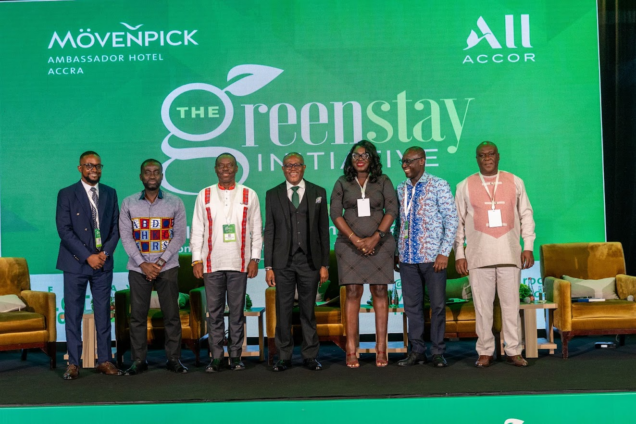
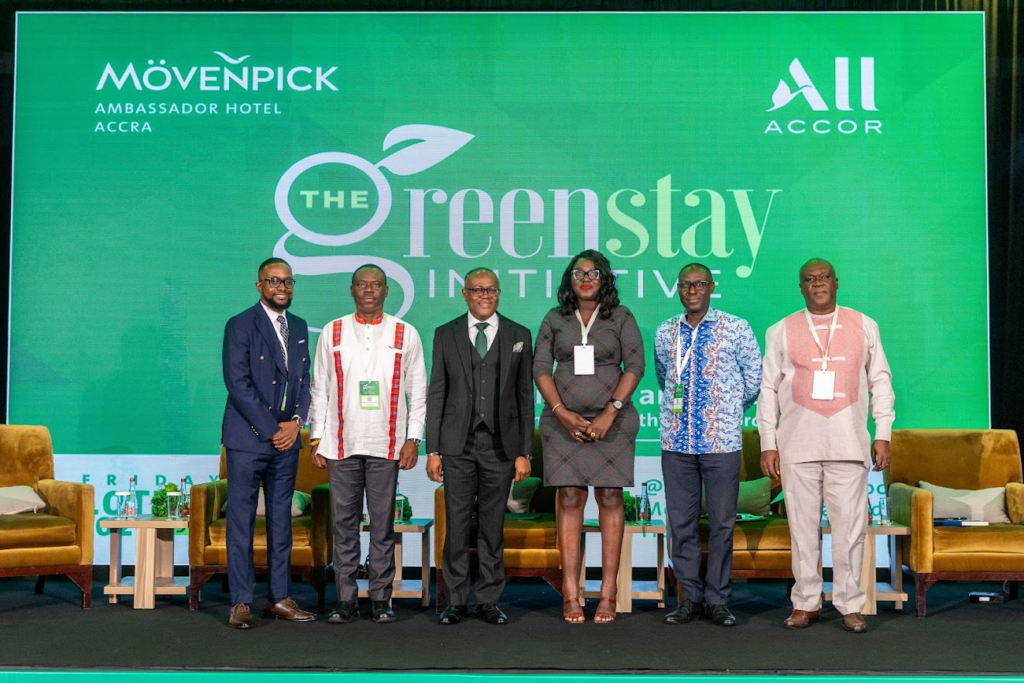
The Mövenpick Ambassador Hotel Accra launched its 2026 Green Stay Initiative on Friday, July 10, a programme designed to promote healthy nutrition, sustainable food systems and workplace wellness, with strong backing from the Ministries of Health and Food and Agriculture, which described the initiative as a model for improving public health, supporting local agriculture and enhancing productivity.
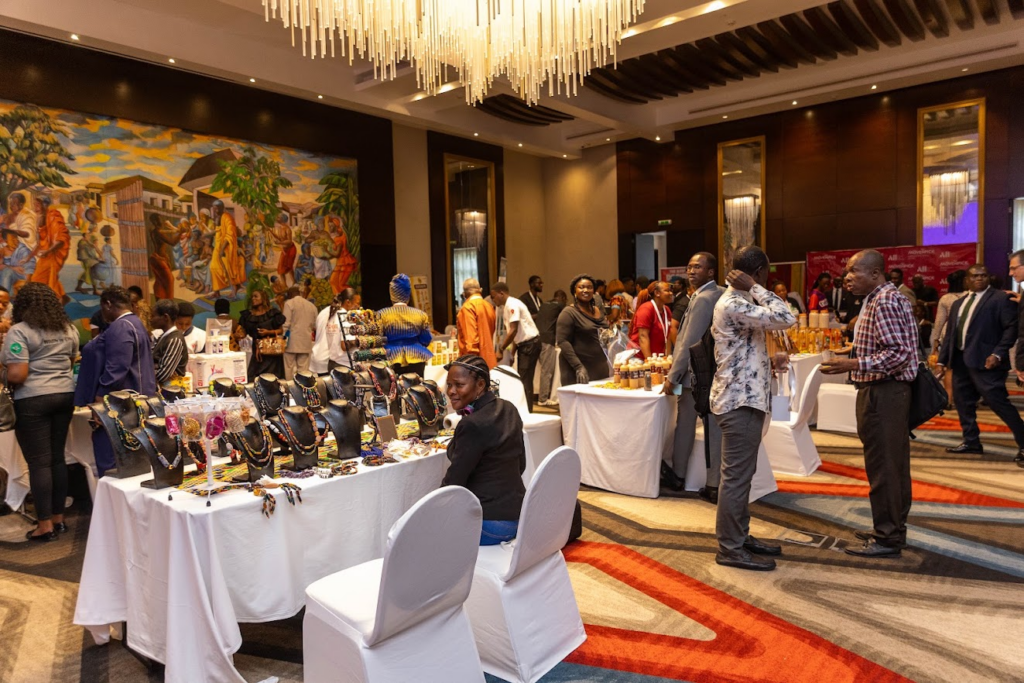
Launched under the theme "Healthy Food Options: Not an Option – Promoting Healthy Nutrition for a Healthy Workforce", the initiative brought together government officials, policymakers, health professionals, private sector leaders, nutrition experts and civil society organisations to explore practical strategies for creating healthier workplaces and more sustainable food environments.
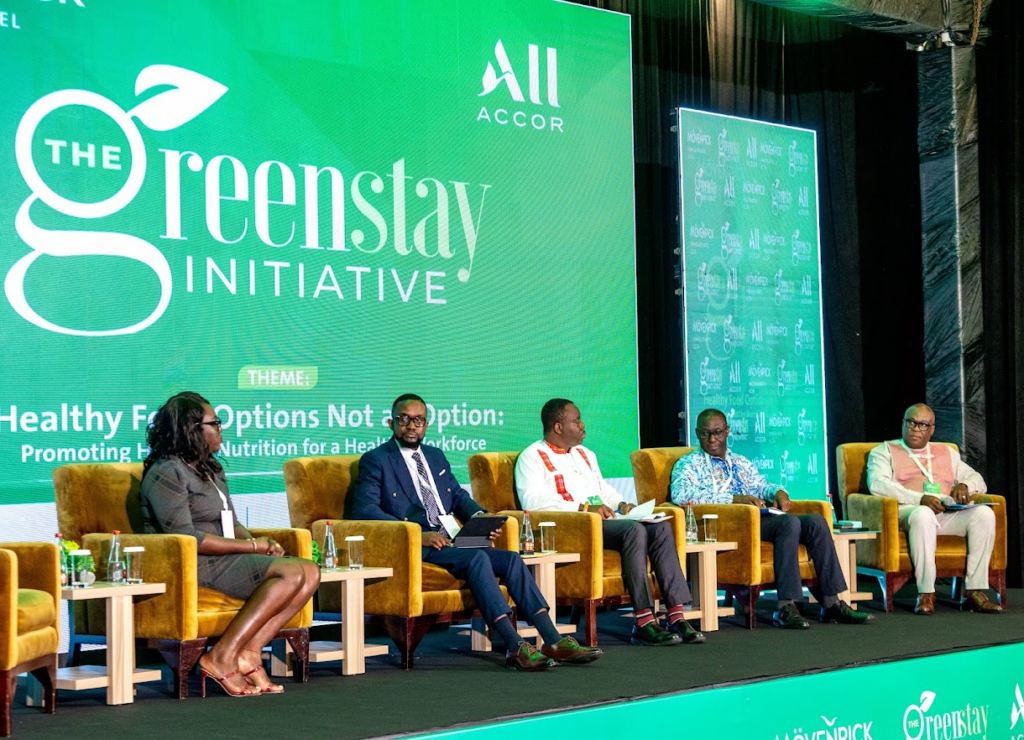
The General Manager of Mövenpick Ambassador Hotel Accra, Isaac Okpoti Adjei, said the initiative reflects the hotel's commitment to integrating responsible business practices into its operations through healthier dining options, responsible sourcing, food waste reduction and employee wellness programmes.
He urged organisations to regard healthy nutrition as a strategic investment rather than a personal lifestyle choice, arguing that healthier food environments improve employee well-being, reduce healthcare costs and strengthen organisational performance.

"The workplace is one of the most effective platforms for addressing these challenges. When organisations invest in healthier food choices and promote nutritional awareness, they invest in their people," he said.
"A healthy workforce is more energetic, more productive, more innovative and better equipped to deliver excellence."

Mr Adjei noted that the growing prevalence of hypertension, diabetes, obesity and cardiovascular diseases continues to place significant pressure on individuals, businesses and the national healthcare system, making workplace nutrition a critical business and public health priority.
He said the hospitality industry has a responsibility that extends beyond providing quality accommodation and guest experiences to contributing to healthier communities and a more sustainable future.

According to him, achieving healthier food systems requires collaboration among government, the hospitality and food industries, healthcare professionals, educational institutions, food producers and consumers.
He therefore called on hospitality operators to lead by example by offering healthier menu options while celebrating Ghana's rich culinary heritage.
Mr Adjei also encouraged individuals to embrace healthy eating as a lifelong investment by consuming balanced diets, reducing excessive salt and sugar intake, remaining physically active and adopting healthier lifestyles.
The Green Stay Initiative received strong endorsement from the Ministry of Food and Agriculture, which described the hospitality industry as a strategic partner in promoting healthy eating while creating sustainable markets for locally produced food.

Speaking on behalf of the Deputy Minister for Food and Agriculture, John Dumelo, Kingsley Amoako said hotels and restaurants have enormous influence over consumer food choices and should use that influence to encourage healthier diets and strengthen Ghana's food systems.
"The hospitality industry has a unique role to play in shaping healthier eating habits through the meals it serves and the food systems it supports," he said.

"Hotels are more than places of accommodation. They are destinations where people experience culture, cuisine and community. Every meal served presents an opportunity to influence healthier eating habits while supporting sustainable food systems."
He encouraged hospitality establishments to source fresh produce from local farmers, reduce dependence on highly processed foods and embrace seasonal menus that improve nutrition while supporting Ghanaian agriculture.

According to him, prioritising locally produced, nutrient-rich ingredients would provide reliable markets for smallholder farmers, strengthen food security and reduce the environmental impact associated with transporting food over long distances.
Mr Amoako also urged hotels to reduce food waste through better menu planning, improved food storage, appropriate portion sizes and partnerships with food recovery organisations.
He noted that changing consumer preferences are driving demand for healthier, balanced meals and said responding to those expectations demonstrates responsible corporate leadership.
Beyond serving guests, he encouraged employers to provide balanced meals for staff, saying healthy workplace nutrition improves energy levels, cognitive function, mental alertness and productivity.
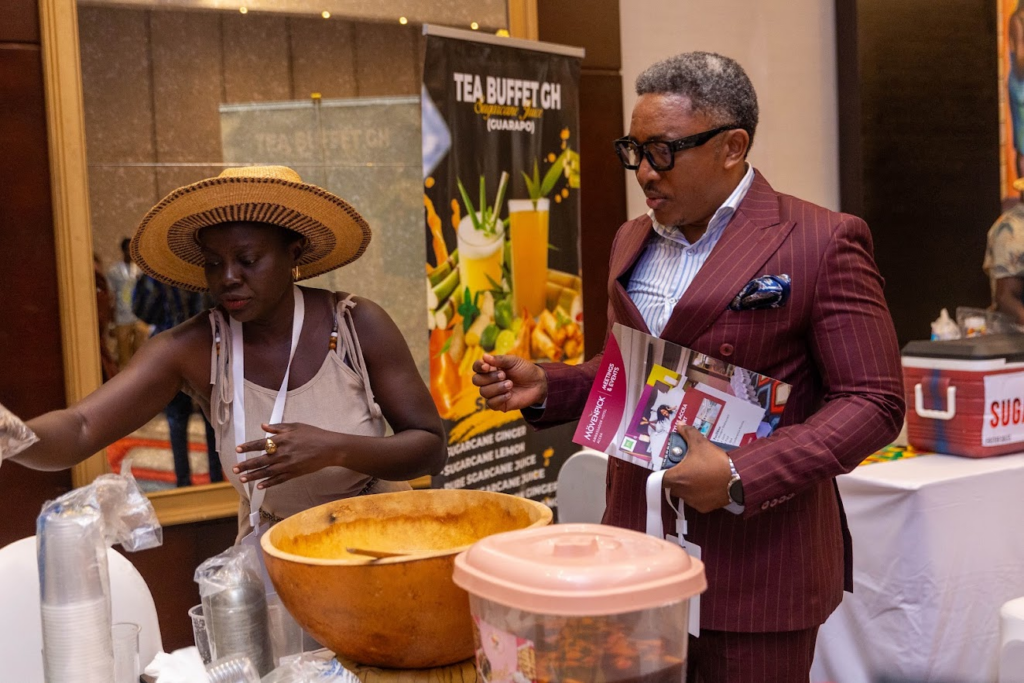
He further stressed that sustainability should extend beyond energy efficiency and waste management to include food choices that protect both human health and the environment.
Mr Amoako disclosed that the government is incorporating Ghana's food systems pathways into the 2026–2029 Development Agenda, with emphasis on promoting indigenous and climate-resilient crops to improve food security and sustainable agriculture.
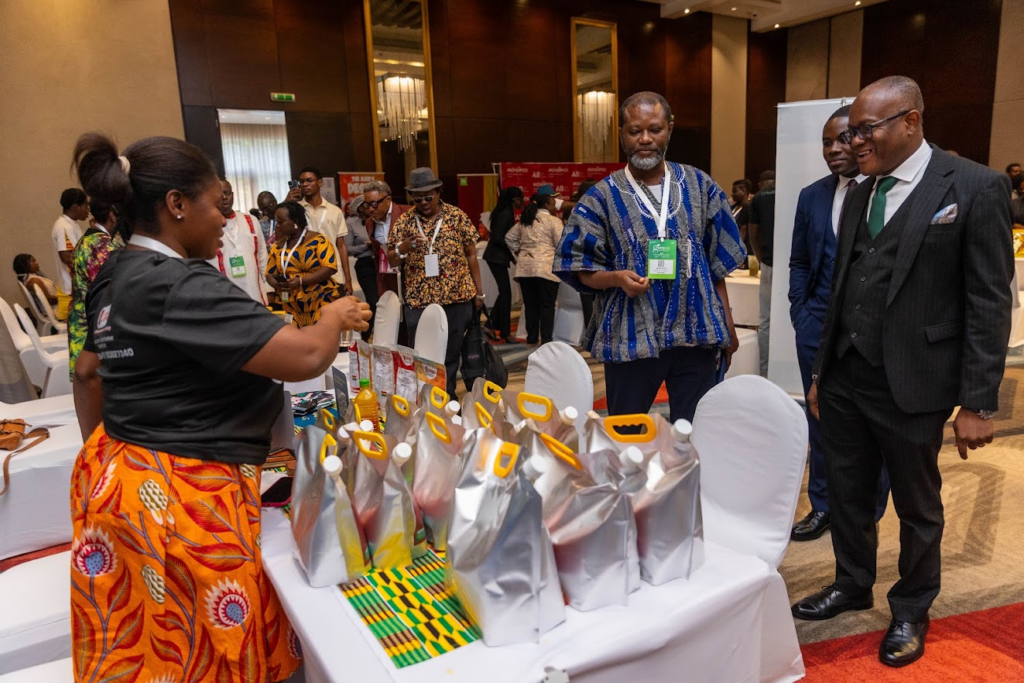
Commending Mövenpick Ambassador Hotel Accra for introducing the initiative, he described the Green Stay Initiative as a model of responsible hospitality worthy of emulation.
"Every healthy meal served, every kilogramme of food waste avoided and every partnership formed brings us one step closer to a healthier population and a more sustainable future," he said before officially declaring the initiative open on behalf of the Deputy Minister.

The Ministry of Health also pledged its support for the initiative, describing healthy workplace nutrition as an essential component of Ghana's preventive healthcare agenda.
Speaking on behalf of the Minister for Health, Kwabena Mintah Akandoh, the Director and Chief Programme Officer for Allied Health at the Ministry of Health, Dr Awinibuno A.N. Ignatius, said investing in healthy nutrition is both a public health priority and a business advantage.

He explained that healthier workforces are less likely to develop chronic diseases, making workplace nutrition an important contributor to national development and economic growth.
"As a Ministry of Health, we are committed to creating an environment that enables all Ghanaians to make healthier choices," he said.

Dr Ignatius said the Ministry continues to implement a number of interventions to improve nutrition and reduce the burden of non-communicable diseases, including the Ghana Food-Based Dietary Guidelines, front-of-pack nutrition labelling policies, food reformulation to reduce salt and industrial trans fats, and the National Policy for the Prevention and Control of Non-Communicable Diseases.

He added that the Ministry is collaborating with the World Health Organization, development partners and the Ministry of Education to promote healthier food environments, strengthen nutrition education and encourage physical activity in schools and communities.
While acknowledging the government's role, he stressed that transforming Ghana's food environment requires strong private sector participation.
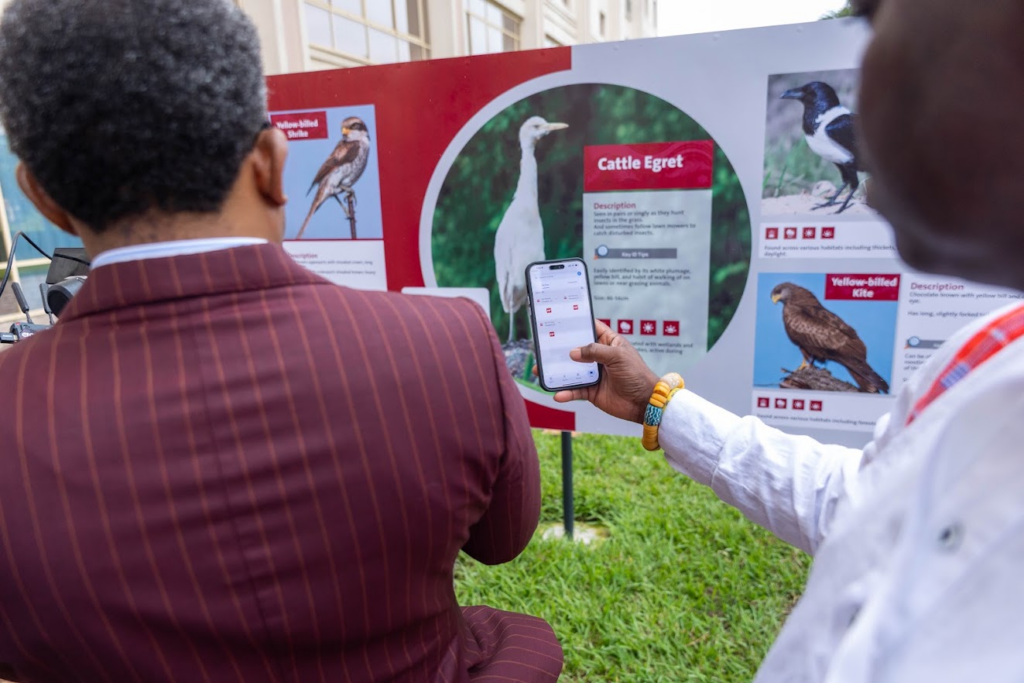
He urged hotels, restaurants and food service providers to offer healthier menu options, reduce excessive salt, sugar and unhealthy fats, provide nutrition information where possible and prioritise locally produced foods.
Corporate organisations, he added, should strengthen workplace wellness programmes by adopting healthy catering standards, promoting nutrition education, encouraging physical activity and supporting regular health screening.
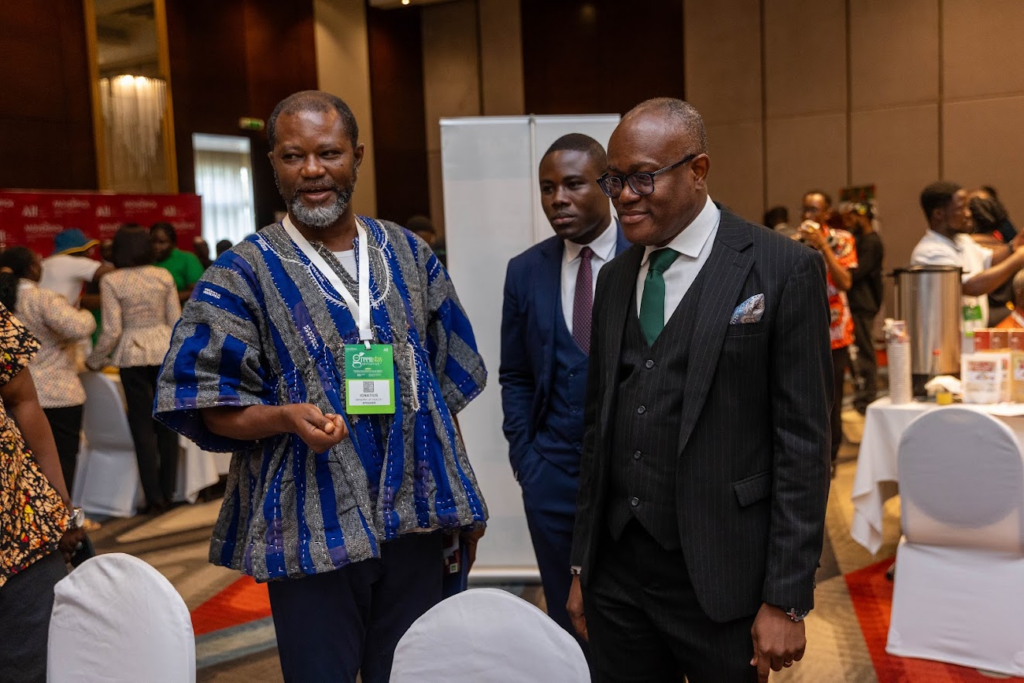
Dr Ignatius observed that promoting locally produced foods not only improves public health but also enhances food security, supports farmers, creates employment opportunities and reduces the environmental impact associated with transporting food over long distances.
He encouraged organisations to move beyond awareness by introducing practical measures that make healthy eating easier for employees.

"Whether through healthier cafeteria menus, nutritious refreshments during meetings, reducing sugary drinks at corporate events or strengthening workplace wellness programmes, every step makes a difference. Healthy food should not be an exception; it should be a standard in every workplace," he said.
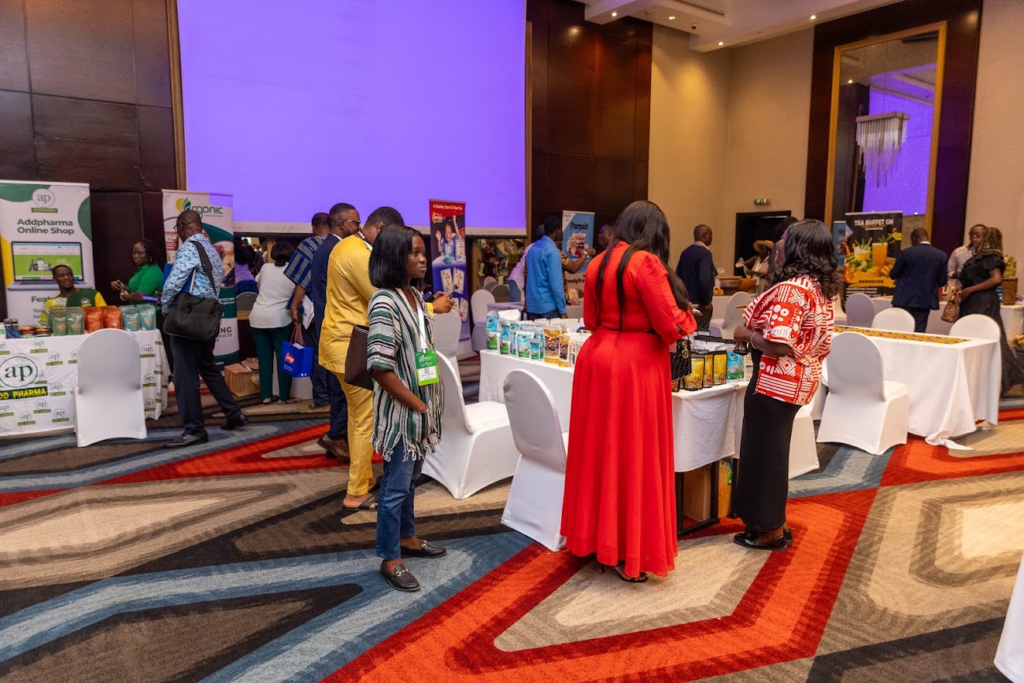
Reaffirming the Ministry's commitment to working with the private sector, Dr Ignatius encouraged other organisations to emulate the Mövenpick Ambassador Hotel Accra's Green Stay Initiative as part of efforts to build a healthier, more productive workforce and more sustainable food systems across the country.
Latest Stories
-
Afoko can unite NPP’s factions, says Charles Owusu Juanah
11 minutes -
Guardiola backing Man City after guilty verdicts
18 minutes -
Annoh-Dompreh questions EOCO’s claim that Manhyia South MP was unavailable for questioning
18 minutes -
Djokovic wins first match since Wimbledon at China Open
30 minutes -
KAIPTC, National Peace Council move to bridge civilian-security trust deficit to counter violent extremism
37 minutes -
Infantino should have no place in future of football – Pinto
40 minutes -
A decade of duty: First Commander recounts the unexpected birth of Ministries Fire Station
43 minutes -
Mfantsipim must cultivate more business leaders, entrepreneurs – Nana Awuah
44 minutes -
MOBA must reduce reliance on donations to protect Mfantsipim’s future – Patrick Kittoe
45 minutes -
GCB extends Customer Service Week into month-long customer engagement
46 minutes -
Africa risks widening inequality if it fails to build AI expertise – Kweku Awotwi
47 minutes -
Women’s Voices Matter Movement petitions Gender Ministry over women’s rights and development
48 minutes -
Ronaldo leaves Portugal camp after coach denies rift
49 minutes -
Huel ad banned for suggesting its products could replace all meals
60 minutes -
Digital Customer Service
2 hours