

Audio By Carbonatix
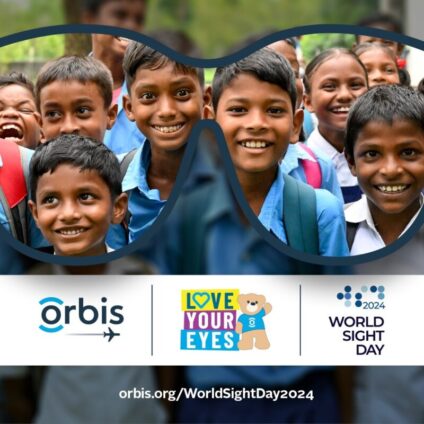
Orbis International, a non-governmental organization, has revealed that refractive errors, particularly myopia (nearsightedness), are a leading cause of visual impairment and blindness in children.
In a press release issued to mark World Sight Day 2024, the organization highlighted that this condition affects approximately 448 million children and adolescents globally.
It added that the prevalence of myopia among the youth is rapidly increasing in various parts of the world, largely attributed to lifestyle changes.
“Refractive errors—vision problems where the shape of the eye prevents light from focusing correctly on the retina—are very common among children. Myopia, the most prevalent type of refractive error in children, causes distant objects to appear blurry. Treatments for myopia include corrective glasses, contact lenses, or surgery.”
While the report noted a decrease in the number of children blinded by eye conditions worldwide, this decline is primarily due to reduced cases of corneal blindness caused by vitamin A deficiency and measles.
The statement clarified, “However, this does not include refractive errors.”
The organization emphasized the importance of addressing squinted eyes (strabismus), which can lead to lazy eyes (amblyopia) if untreated.
“Squinted eyes can be treated before age 7. Without intervention, children may lose vision in the affected eye. No child is too young to wear spectacles; even babies can wear glasses following a thorough examination and prescription.”
To ensure the optimal eye health of children, Orbis International urged parents to adopt proactive measures, including:
Attend regular eye exams: Schedule comprehensive eye examinations for children before they enter pre-school and primary school. If no eye problems are detected, aim for check-ups every two years.
Boost visual engagement for toddlers and babies: Use high-contrast colours and engage in activities like games of catch, pat-a-cake, and peekaboo to improve hand-eye coordination.
Provide a balanced diet: Nutrients such as zinc, lutein, omega-3 fatty acids (found in fish), and vitamin A (from leafy greens) are crucial for preventing dry eyes and night blindness.
Vitamins C and E (from fruits like oranges and mangoes) also support eye health, while eggs and nuts are excellent sources of essential nutrients.
Limit digital screen time: Keep screens at a distance of 18 to 24 inches from your child’s eyes to minimize strain.
Look out for warning signs: Parents should be vigilant for signs of vision problems, including bumping into objects, squinting, disinterest in distant objects, head tilting, holding items very close, eye rubbing, light sensitivity, and poor hand-eye coordination.
Latest Stories
-
GRA blames system failure for delay in issuing receipt over passenger’s customs duty
7 minutes -
Livestream: Newsfile discusses World Cup visa scandal, beach demolitions, education strikes, BRICS bid
11 minutes -
NC-PTAs welcomes end of teachers’ strike, urges parents to prepare children for Monday
21 minutes -
Government procures over 2,000 transformers as Ghana’s electricity access hits 89.13% – Energy Minister
47 minutes -
UTAG-UG threatens strike on October 19 over unpaid allowance
55 minutes -
Let The Constitution direct Chieftaincy to deliver “All Development Is Local”
2 hours -
John Jinapor outlines renewable energy, nuclear power priorities for 2027
3 hours -
Ghana explores centre of excellence for hearing, communication and cochlear implant care
3 hours -
Schizophrenia-related disorders lead mental health cases recorded in Ghana
4 hours -
Dutch authorities enlist Ghana in hunt for fugitive drug lord Bolle Jos
4 hours -
Ghana housing finance conference adopts communiqué to improve affordable housing access
9 hours -
Special Initiatives Minister urges Wa Technical Institute to enrol more girls as EU-backed solar training lab opens
9 hours -
In the matter of my first year at the Bar
9 hours -
ActionAid Ghana calls for an end to child marriage, greater investment in girls’ rights
9 hours -
Newsfile to tackle World Cup visa scandal, beach demolitions, education strikes, BRICS bid
10 hours