

Audio By Carbonatix
A species of dinosaur discovered in Zimbabwe has revealed new details about the the creatures that lived in southern Africa.
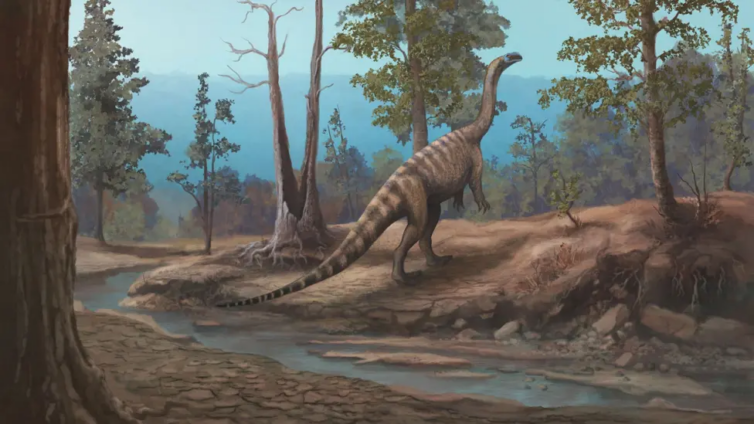
Named Musango matusadonaensis, the 4.5-metre-long dinosaur is just the fifth ever named from the African country.
Discovered on the shore of Lake Kariba in Zimbabwe, it lived 210 million years ago during the Late Triassic period.
Experts say the discovery, which is a collaboration between the UK, South Africa and Zimbabwe, sheds new light on the diversity of the dinosaurs in southern Africa.
The late Triassic was when dinosaurs began to spread across the planet before becoming the dominant animals on Earth during the Jurassic and Cretaceous periods.
While sites in Europe and North America have been studied extensively, fossils from Africa have received less attention.
At the time, Africa would have been part of a supercontinent called Gondwana, which also included present-day South America, India, Australia, and Antarctica.
Musango was a sauropodomorph, an early relative of dinosaurs such as Diplodocus that walked on two legs rather than four.
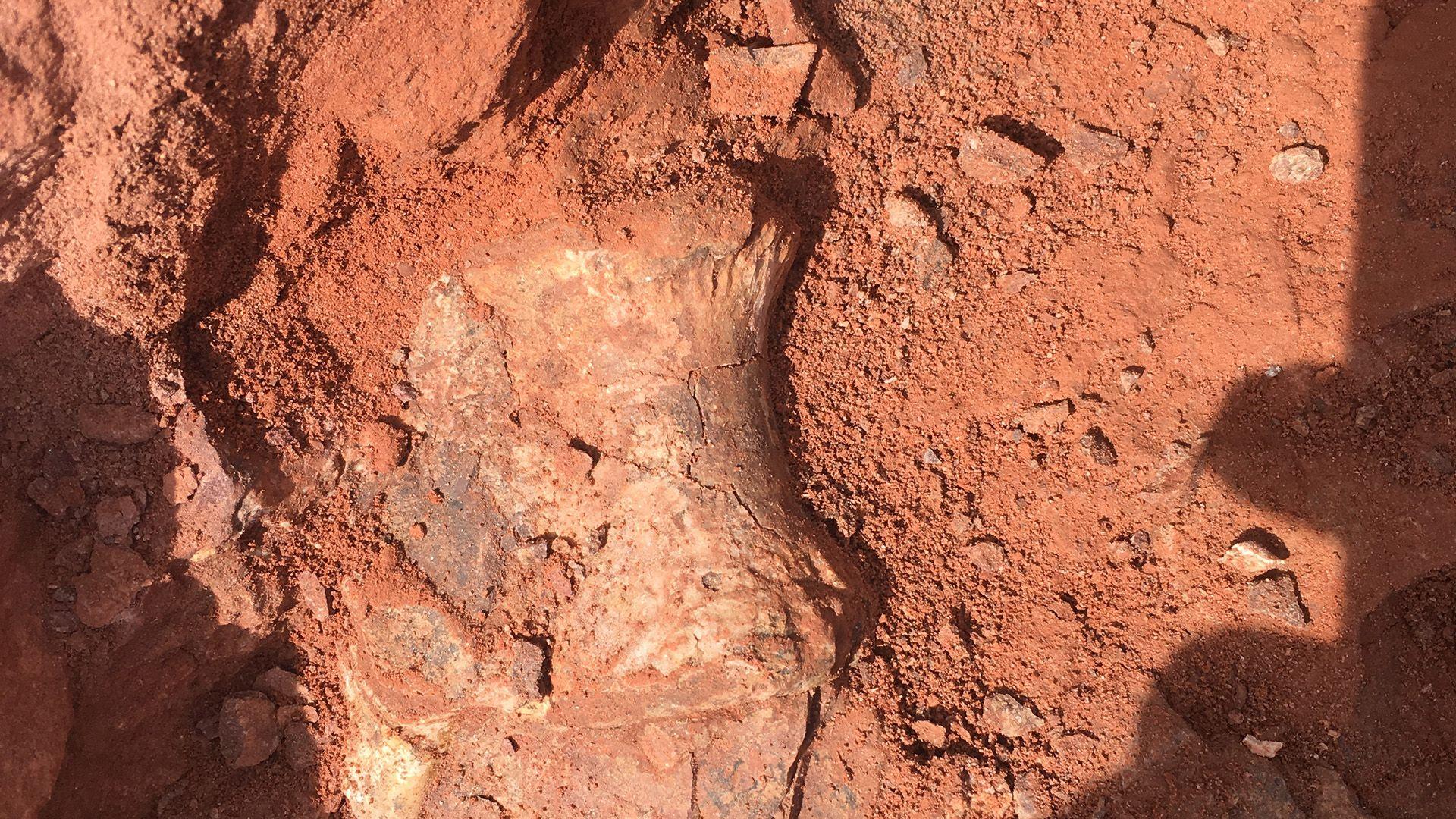
A study of the fossils of the Musango, which include bones from the spine, arms and feet, reveals a dinosaur which was almost fully grown when it died.
The researchers say it was about 8 years old and would have been around 4.5 metres long, roughly the length of a medium-sized car.
The study authors also believe it was an omnivore, meaning it ate both plants and meat.
It probably feasted on crocodile-like phytosaurs, lungfish, and smaller dinosaurs.
Professor Paul Barrett from the Natural History Museum, London and the lead author of the study published in the Journal of Systematic Palaeontology says:
"Until recently, it was assumed that the dinosaurs living across southern Africa were largely the same," he explains.
"However, these discoveries are showing that this part of the ancient supercontinent Gondwana was actually made of a series of smaller ecosystems – each with a different cast of characters."
Latest Stories
-
Judges’ conference forces further adjournment of Salomey Baffoe case
5 minutes -
GRA assures Tullow of collaboration to settle $393m tax liability without disrupting its petroleum operations
35 minutes -
South Korea demands apology from Pyongyang for landmine blasts that injured three
39 minutes -
Carlos Queiroz not the sort of coach Black Stars need – Nii Lante Vanderpuye
1 hour -
AFCON 2027Q: ‘Our Black Stars team is gone’ – Former Sports Minister
1 hour -
Prof. Prempeh calls for public review of draft constitutional reform bills
2 hours -
AFCON 2027Q: ‘I have never seen a poor performance from Black Stars like against Gambia’ – Nii Lante Vanderpuye
2 hours -
Bawumia backs insurance sector reforms after engagement with IBAG
2 hours -
Nigeria set to launch National Digital Address System 9 years after Ghana showed the way
2 hours -
Policy rate decision takes time to reflect in lower lending rates – BoG
2 hours -
Western Regional Minister applauds Karpowership’s role in Ghana’s power sector
3 hours -
Playback: Road safety crises: Where are we getting it wrong?
3 hours -
Enterprise Life celebrates 25 years of protecting families and building trust
3 hours -
ICC London rules in favor of Ghana against Tullow over $400m tax charge
3 hours -
We are disappointed in ICC’s ruling over our corporate income tax assessment in Ghana – Tullow Oil
3 hours