

Audio By Carbonatix
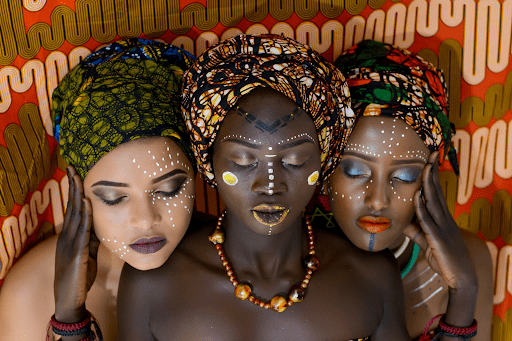
Designer Nimco Adam, who was a native of Somalia, was known as Queen of Tie Dye and spent several hours in the collections plunging fabrics into vats of chemical dyes.
The designer Adam has pivoted chemicals and synthetic materials away from more than 55 fast-mode businesses like the retailer Forever 21. Today she uses traditional African hemp, bamboo and even tree bark textiles.
Her dyes are natural, like turmeric, extracted from the roots. These changes put her at the forefront of the movement of sustainable mode.
The smarter and sustainable way of recovering from the tremendous losses caused by COVID-19 is for a global fashion industry of an estimated US$ 2.5 billion per year.
In May, Bloomberg News announced the $1.5 billion worth of order cancels in garment plants in Bangladesh, a clothing centre.
In the meantime, worldwide fashion and luxury sales have plummeted to 70% between March and April.
Since March 2019 the Alliance has been supporting coordinated measures in the fashions industry to contribute to Sustainable Development Goals, an umbrella group consisting of various UN and partner agencies including the UNEP, the International Labor Organization and the World Bank Group.

The Alliance is supporting brands in setting sustainability targets, protecting workers – especially women – cutting waste and limiting carbon emissions, with attention to the private sector as well as to governments.
Lastly, 8.1% of the greenhouse gases produced annually are the responsibility of the fashion sector.
Sissi Chao runs the Remake Hub, a Chinese company which produces clothing and consumer products using recycled plastics.
After growing up watching clothing factories of her parents contaminate a local river, her dream was that she could find another way to be part of the fashion industry.
Now, the Remake Hub produces all types of materials, from eyewear to clothing and home decorations. Even her parents have taken on creative technology to make their bank leads more competitive.
As an ambassador for Fashion for Conservation, musician Elle L, London, has been encouraging similar talks in the British fashion industry for the past three years.
It is of the opinion that countries should imitate France, which passed in February, the law which obliged clothing companies to comply with more than 100 sustainability provisions.
Sustainability and upcycling was the natural reaction of Nkwo Onwuka and its eponymous brand Nkwo to the glut of second-hand clothing that was dumped into markets in its own home town of Lagos, Nigeria.
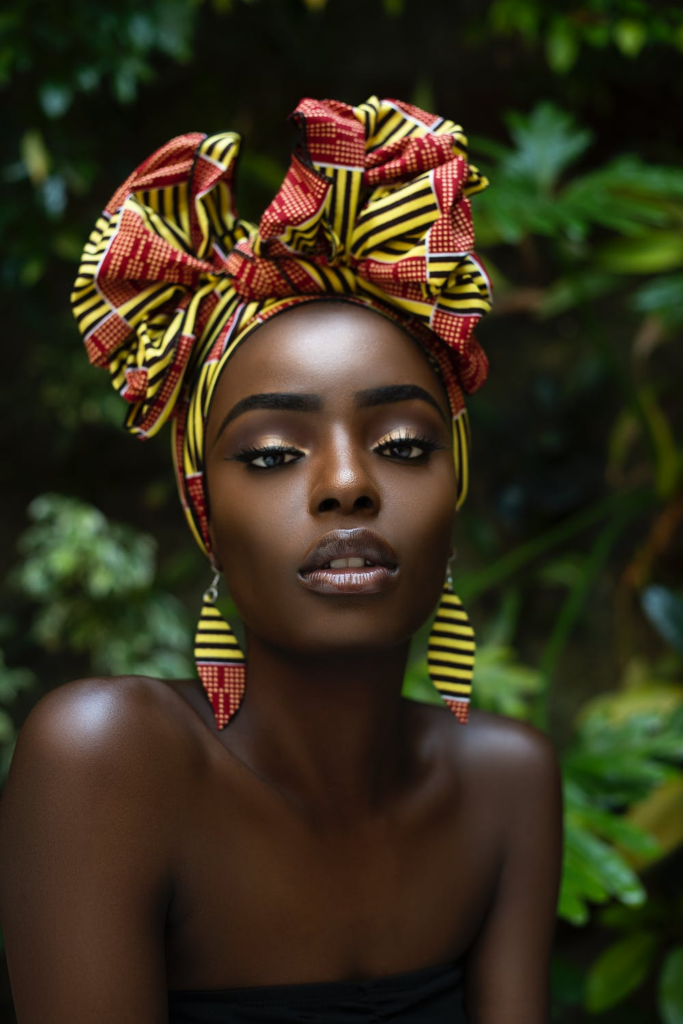
From the piles of mass-produced denim that landed outside of the world she began spinning her own dakala clothes, combining conventional techniques such as hand beading with new innovations to produce unique collections of capsules.
This push is boosted by increasing consumer demand for ethical and sustainable fashion, especially the highly desirable demographic known as Generation Z.
Roberta Annan, Ghana’s entrepreneur, launched in 2011 the African Fashion Fund to increase artisans and creators across the Continent’s access to finance and infrastructure.
She insists that sustainability should also lead to fair pay and financial empowerment – especially for women – and can not be limited to materials used in the production of beautiful things.
Since its creation the Fund has provided US$ 5,000 to craftspeople to help increase their production and market access, emphasizing brands run by women, including a cosmetics company and a manufacturer of craftsman chocolate.
Although COVID’s business impact is not minimized, Annan and her Fund colleagues are determined to make use of it as an opportunity to speed up a plan already underway for deliberate e-commerce.
There is already a digital platform; a global distribution chain is required to bring the continent’s goods to buyers worldwide.
In addition, the Foundation has partnered with one of the original tradesmen who benefitted from seed grants in 130 Ghana and Nigerian villages, bringing portable plywood webs to weaving and selling textiles.
Another advantage will be the opportunity to be at the forefront of private-government discussions, drive policy changes to open markets and encourage innovation.
Latest Stories
-
GPL 2025/26: Dreams FC stage stunning comeback to hammer Eleven Wonders
1 hour -
Livestream: The Probe examines Kumasi’s looming water crisis
1 hour -
MTN Ghana gears up to lead Africa’s AI revolution
1 hour -
Philanthropist Alhaji FuZak donates Da’wah bus to Ambariya Sunni community
2 hours -
GUTA calls for suspension of Publican AI system over trade disruptions
2 hours -
TTAG raises alarm over proposed recruitment of 7,000 teachers, demands national posting roadmap
2 hours -
Civilians feared killed after reports of air strike on Nigerian market
2 hours -
Bishop Simon Kofi Appiah installed as new Jasikan Diocese Bishop
2 hours -
Trump’s Strait of Hormuz blockade threat raises risks and leaves predicaments unchanged
2 hours -
US Court backs extradition of former MASLOC CEO Sedina Tamakloe-Attionu to Ghana
3 hours -
Seven arrested as NAIMOS dismantles illegal mining camp, seizes firearms at Boin River
3 hours -
Fire erupts at Madina Ritz Junction, destroys multiple wooden structures and containers
3 hours -
Daniel-Kofi Kyereh returns from long-term injury, registers assist for Freiburg U23
3 hours -
Knifeman calling himself ‘Lucifer’ slashes three at NYC’s Grand Central
3 hours -
Brands are built from within to without
3 hours