

Audio By Carbonatix
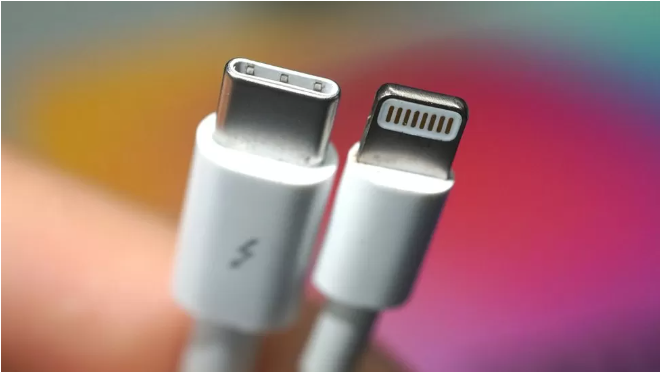
Apple's latest iPhone will almost certainly feature a USB-C charge point when it is unveiled on 12 September.
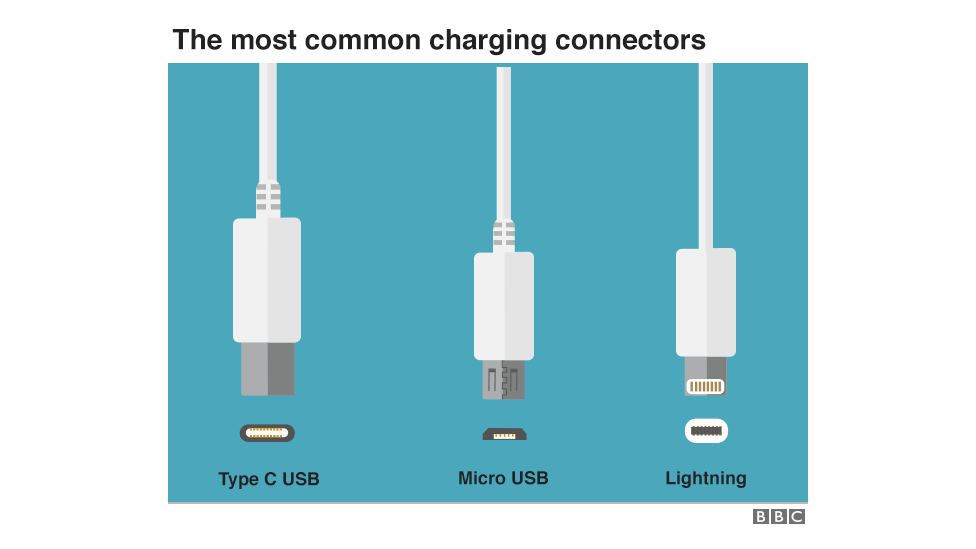
The firm's phones currently use its proprietary Lightning adaptor, unlike rivals, including Samsung.
A European Union law requires phone manufacturers to adopt a common charging connection by December 2024 to save consumers money and cut waste.
Most new Apple products such as the latest iPads already use USB-C, but the firm had argued against the EU rule.
When it was introduced in September 2021, an Apple representative told BBC News: "Strict regulation mandating just one type of connector stifles innovation rather than encouraging it, which in turn will harm consumers in Europe and around the world."
Lightning to USB-C adaptors are already available from other electronics brands including Amazon, and all iPhones since the iPhone 8 which launched in 2017 have supported wireless charging.
As the current iPhone 14 now looks to be the last Apple device to exclusively use it, this could mark the beginning of the end of the Lightning cable - which retails on the Apple store for £19.
It's unclear whether this will be a global change to the product, although the tech giant is less likely to make a different version of the handset for the European market alone.
The changes are anticipated in the new iPhone 15 and iPhone 15 Pro devices which are set to be unveiled next week at the firm's annual autumn event.
According to a report by Bloomberg news, benefits of the switch for users will include customers being able to use a single charger for iPads, Macs and iPhones, as well as faster download speeds.
The EU common-charger rule covers a range of "small and medium-sized portable electronics", according to the EU, including:
- mobile phones
- tablets
- e-readers
- mice and keyboards
- GPS (global positioning system) devices
- headphones, headsets and earphones
- digital cameras
- handheld videogame consoles
- portable speakers.
Any of these charged using a wired cable will have to have a USB Type-C port, regardless of who makes the devices.
Laptops will also have to abide by the rules but manufacturers have longer to make the changes.
According to the EU, it will save consumers "up to €250m [£213m] a year on unnecessary charger purchases" and cut 11,000 tonnes of waste per year.
Latest Stories
-
GTA sensitises taxi drivers in ‘Know Ghana’ tourism campaign
10 minutes -
Archbishop Agyinasare calls for responsible speech amid growing social media abuse
14 minutes -
‘It will be inexcusable for gov’t not to honour payment of teachers’ arrears by 30th October’ – Haruna Iddrisu
23 minutes -
Forbes’ World’s Best Employers 2026: No Ghanaian firm ranked among 900 companies
25 minutes -
Electronic processing of teachers’ data: ‘The decision is the Controller’s’ – GES boss
29 minutes -
Teachers’ Strike: Haruna Iddrisu questions paper-based processing of promoted teachers’ data
42 minutes -
Teachers’ strike: GES targets Monday deadline to submit promotion data to Controller
50 minutes -
Inflation to average 11.3% in 2027 – Fitch Solutions
1 hour -
I didn’t campaign for NDC to come and do this nonsense – Kpebu on EOCO
1 hour -
Fitch Solutions maintains policy rate forecast of 14% by December 2026
1 hour -
Diaspora Nasara Caucus congratulates Mohammed Ali Suraj, new NPP executives
3 hours -
Dr Antwi-Boasiako’s cybersecurity book showcased at UN crime prevention congress
3 hours -
We will empower the grassroots and protect every vote – NPP’s 1st Vice Chair Kojo Bamba
3 hours -
I do not see myself as better than anyone – NPP’s 1st Vice Chair Kojo Bamba
4 hours -
Police blur the line between invitations and arrests – Reindorf Twumasi Ankrah
4 hours