

Audio By Carbonatix
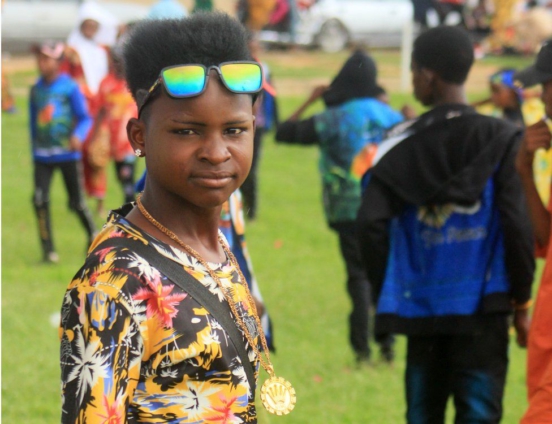
Bling earrings shaved eyebrows, and funky hairstyles are not what many would normally associate with Nigeria's Fulani herders, who spend most of their time in the forests herding cattle.
But on occasions such as last week's Eid al-Kabir, as Eid al-Adha is known locally, when they head out to the city centres in northern Nigeria to celebrate with other Muslims, their colourful outfits really stand out.
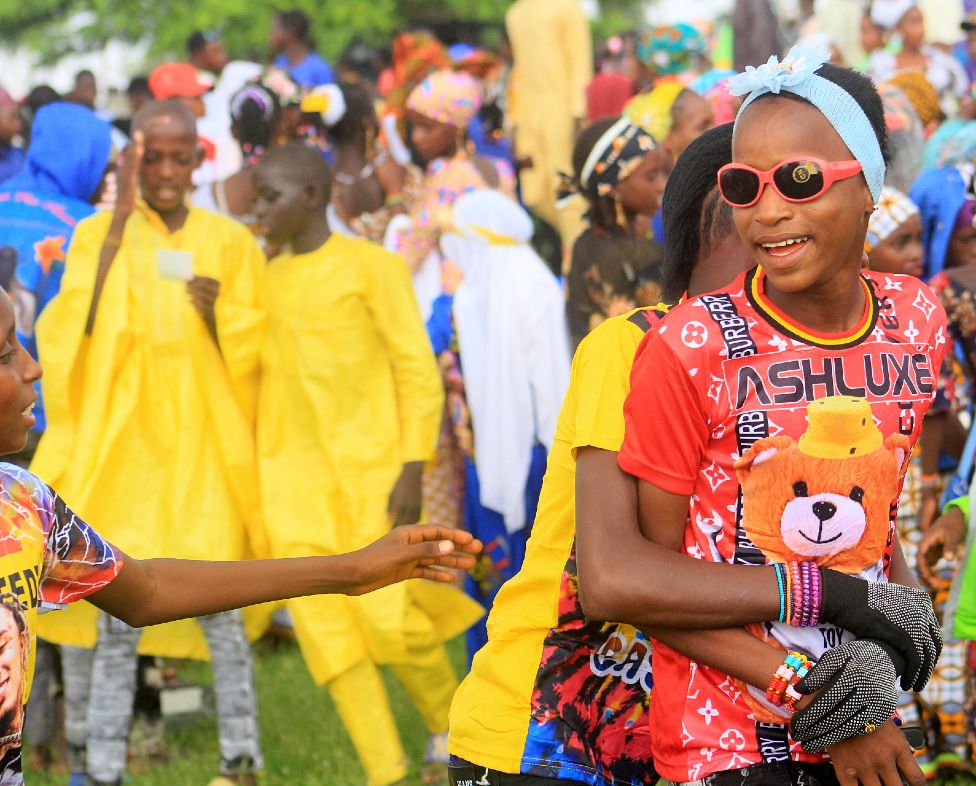
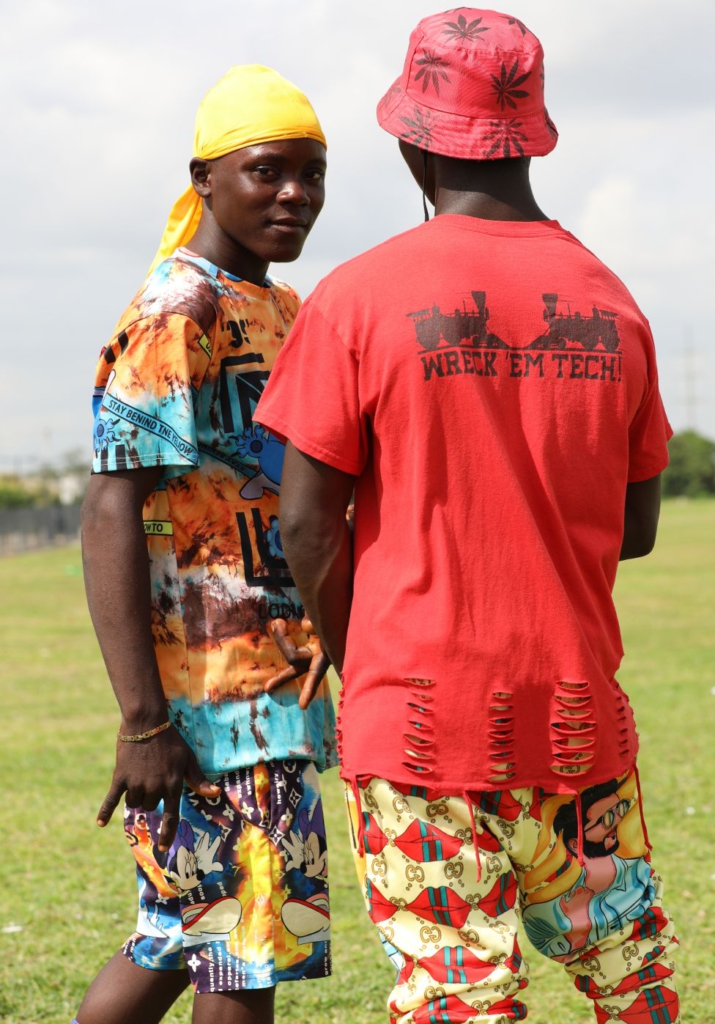
And unlike many Muslims in this conservative part of the country, they choose not to wear traditional gowns or kaftans, but trendy clothes inspired by hip-hop and Afrobeats stars.
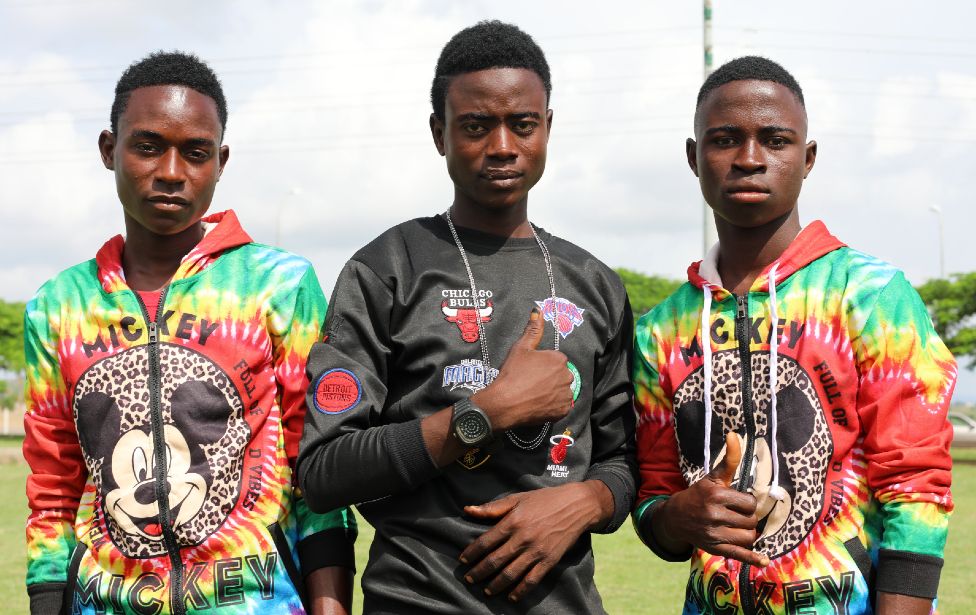
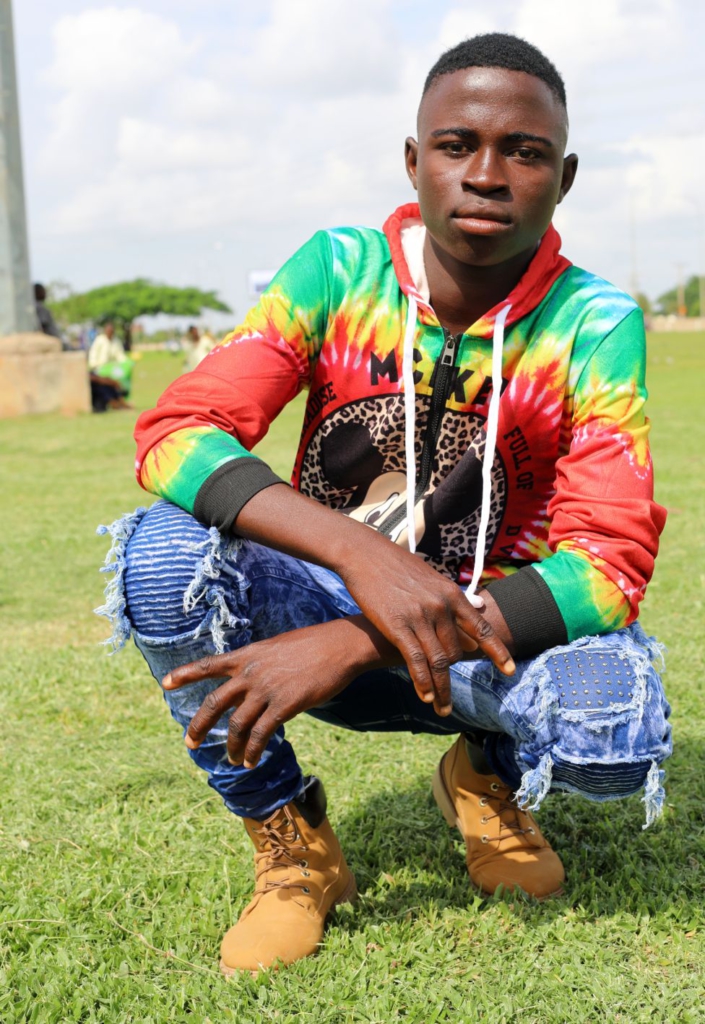
The jackets, ankle-high boots and head warmers are reminiscent of the 1990s hip-hop scene, while many young male Fulani herders say they are now more influenced by Nigeria's Afrobeats scene. Naira Marley, based hundreds of miles away in Lagos, was mentioned repeatedly as having the most impact on their style by revellers in the capital, Abuja.
"I love Marley," said Musa Sani, who had an MP3 bluetooth player dangling from his neck with his underpants visible above his low-slung trousers.
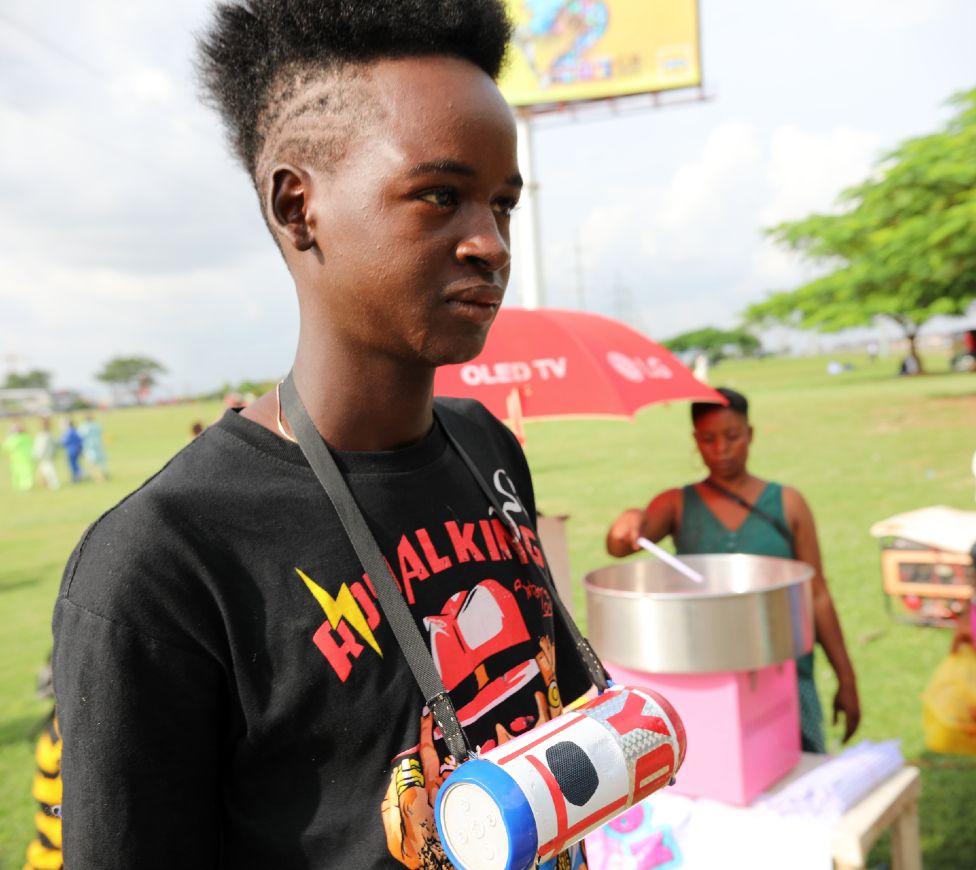
He and about 300 others gathered in an open field to the outskirts of Abuja in Lugbe close to the airport, as authorities closed parks and other recreational places to enforce Covid-19 regulations.
There, with plenty of sunshine and away from security agents, the young herders had plenty of time to strut their style and take pictures on their phones.
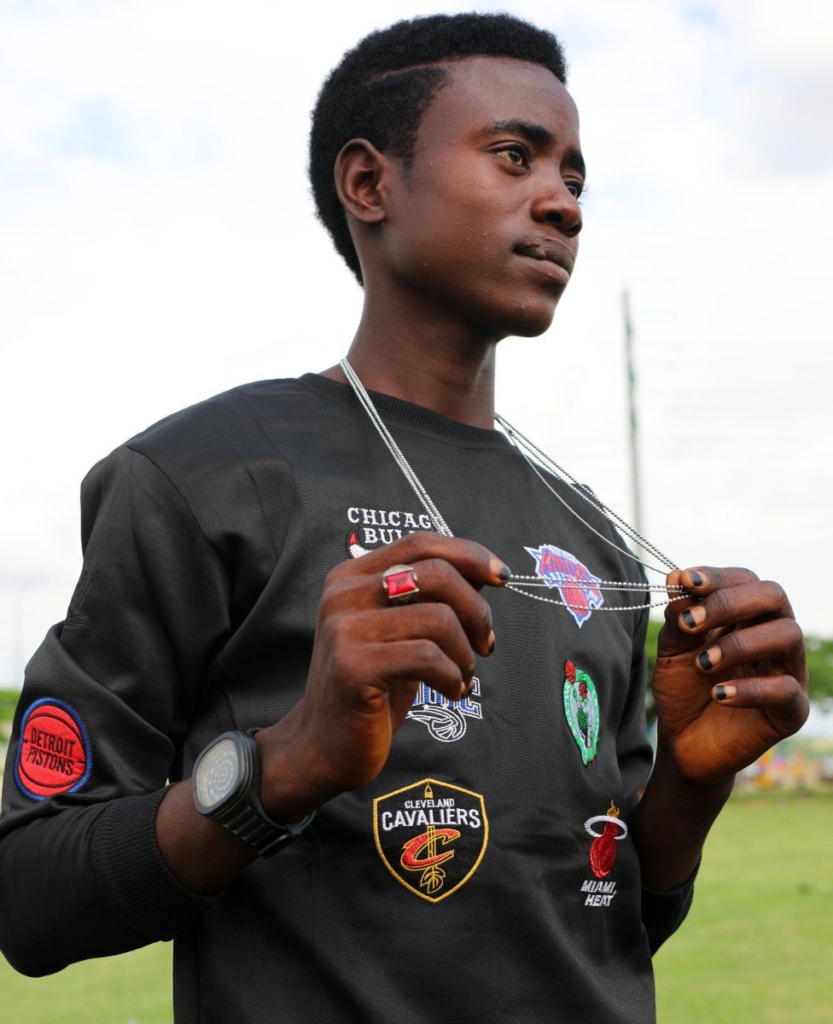
While the youngsters are about in town celebrating with their peers, the older ones are usually at home entertaining guests or holding communal meetings.
It is considered disrespectful for Fulani children to attend the same events as their parents, so adults stayed away when the young visited the city centres in Abuja.
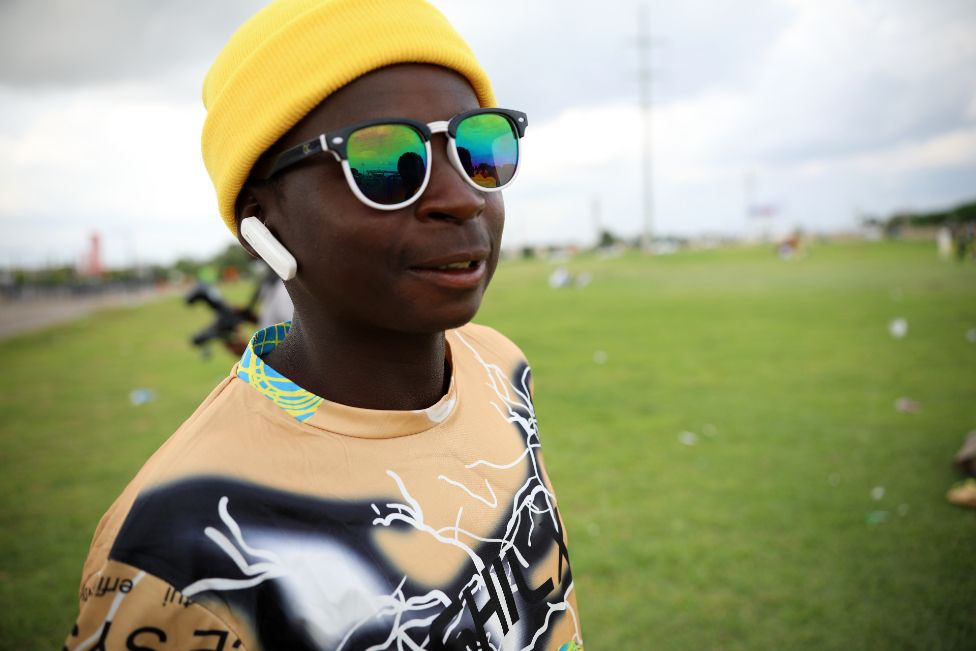
Few Nigerians, especially those in the southern part of the country, get to see the herders dressed this stylishly.
Most only see the Fulani herders when they are marching their cattle across the country, which has become a deadly issue since 2017 as clashes between them and farmers over grazing land have killed thousands.
Cattle herding is mostly done by Fulani men. Most Nigerians visualise them wearing their flat rubber shoes, straw hats and skin-tight jeans.
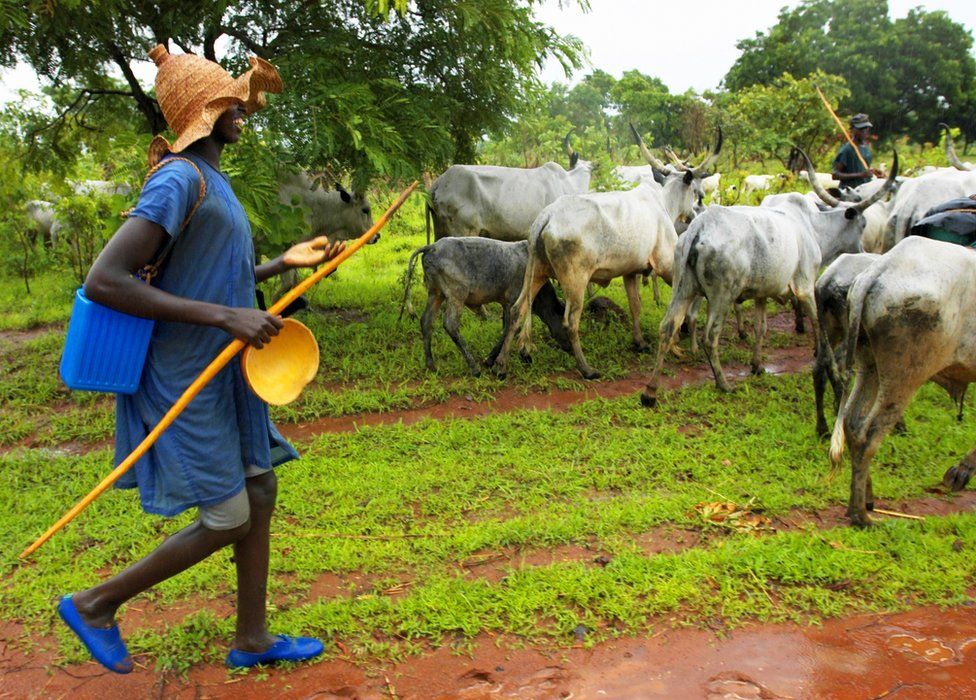
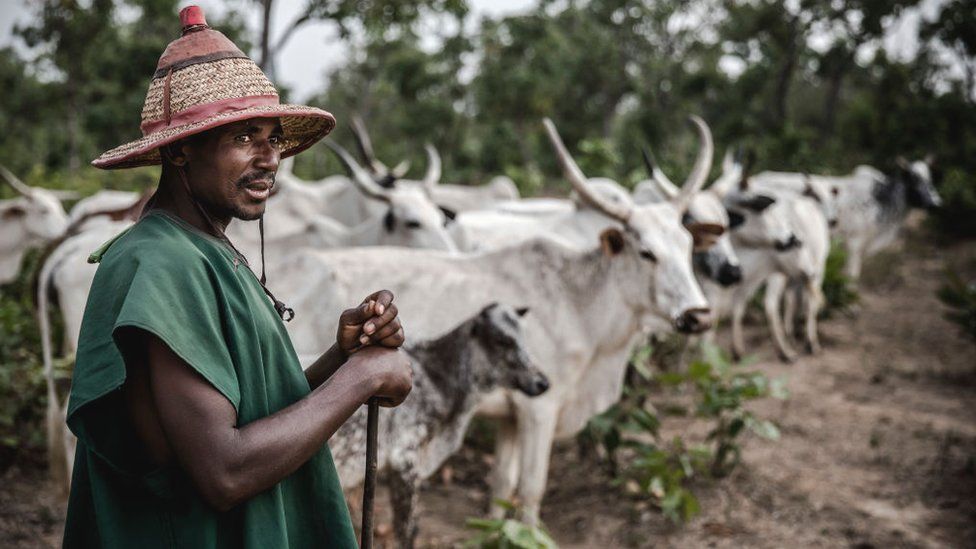
So when they step out in all their style, they turn a few heads.
Glitzy sunglasses, fashionably ripped jeans and effervescent shirts that together form a magnificent array of colours.
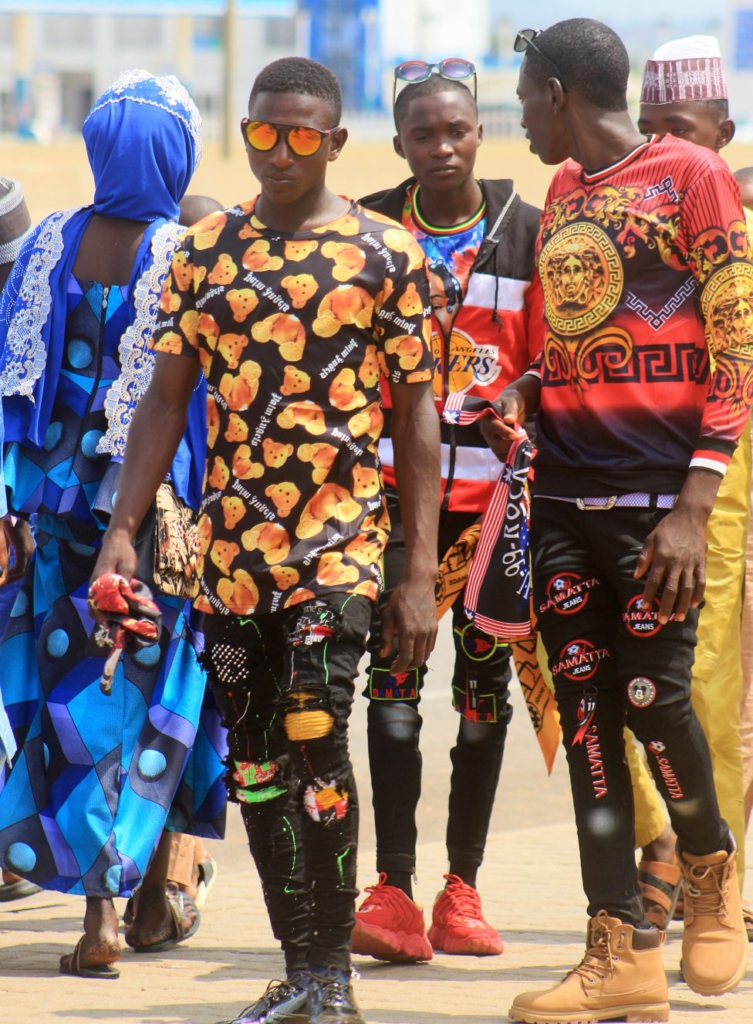
Most men in northern Nigeria normally wear a kaftan, a loose-fitting gown that reaches the ankles with matching trousers.
Those with more money prefer the babariga, a lavishly embroidered three-piece outfit with an extra-large outer robe that the wearer spends much of time rolling up their shoulder, favoured by politicians.
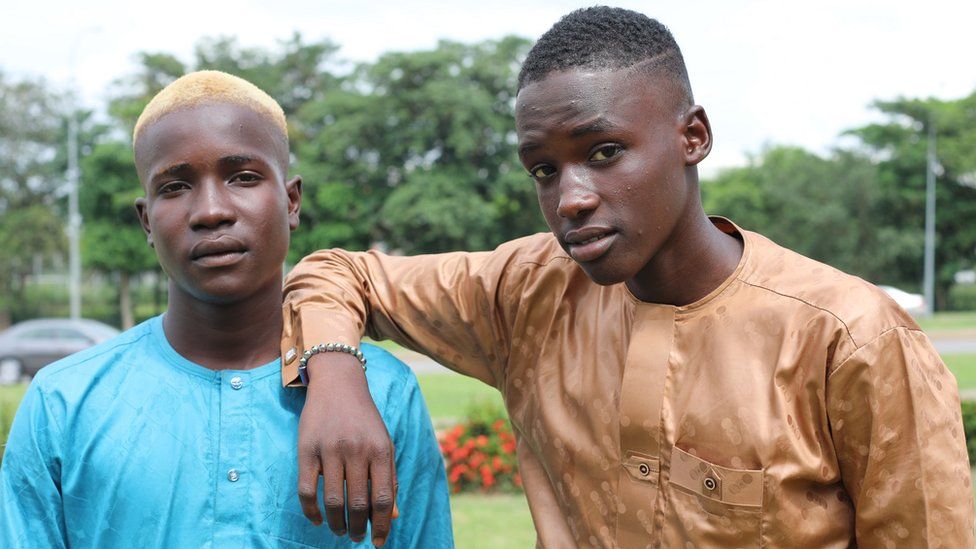
But even when they wear kaftans, some of the young men do it in style.
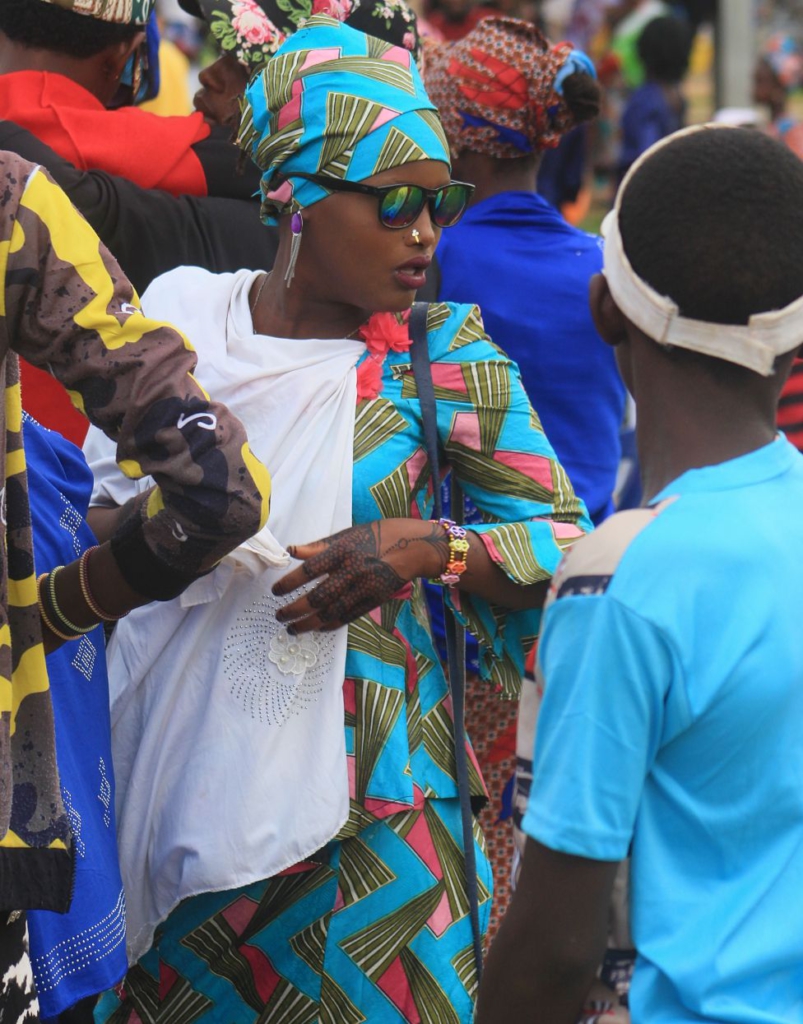
The women were not left out, although most stuck to the traditional fabrics, and elaborate henna patterns on their hands.
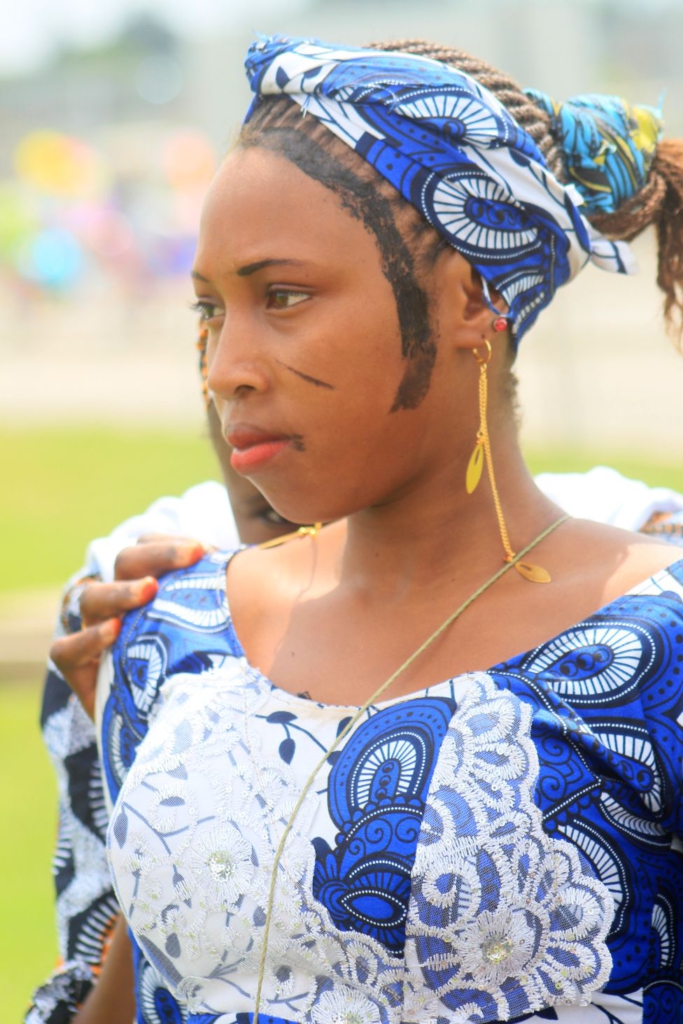
Nigeria is a conservative country, especially in the Muslim-dominated north where the cultures of the Fulanis and Hausas - the dominant ethnic groups in the region - have long preserved their traditional values in music, clothes and language.
So while the young Fulani herders might be picking up new influences, especially in music, from other parts of the country, "it is nothing new", said photographer Mudi Odibo, who has spent the last decade photographing them.
"It is the exuberance of youths, they all return to the kaftans and sandals with time," he said.
All pictures subject to copyright
Latest Stories
-
Crowds, deals and home solutions as Republic Bank-JoyNews Habitat Fair enters final day
1 hour -
Fire Service finds only five functional hydrants in Ministries enclave
2 hours -
Government to sign 1,200MW gas power deal before end of 2026 – Mahama
2 hours -
West Mamprusi launches community-led WASH and livelihoods project across 100 communities
2 hours -
Iran says it will wait for official US response after Trump rejects Strait of Hormuz proposal
2 hours -
90 Oti communities to benefit from government electrification project
2 hours -
Floods leave 246 without shelter as 93 houses collapse in North East Gonja
2 hours -
Labour Minister wants SOEs to help shape new public pay system
7 hours -
IPEC will ensure Equity and Sustainability in SOEs Compensation
7 hours -
White House bars CNN from travelling with Trump on Air Force One
8 hours -
Fennis wins second consecutive ITF J60 title in Accra
8 hours -
Spain beat England in thriller after Kane penalty miss
8 hours -
GPL 2026/27: Zaidan’s late goal ends Hearts of Oak unbeaten start
8 hours -
CEOs demand clarity on pay harmonisation, board autonomy as FWSC engages SOEs bosses over IPEC transition
8 hours -
2026 Women’s Super Cup: FC Savannah, Epiphany Warriors maintain top spots ahead of final group games
8 hours