

Audio By Carbonatix
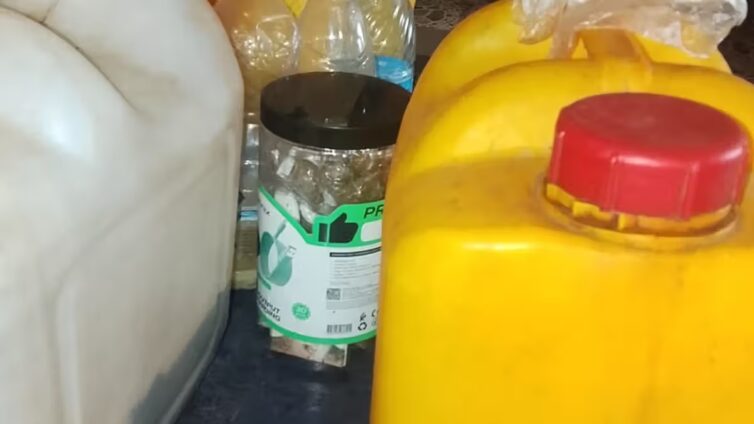
At least 48 people have died after consuming a locally brewed alcoholic drink in southern Nigeria, sparking a major public health crisis. Officials report that about 100 others are receiving hospital treatment.
The outbreak struck the Odigbo and Irele local government areas in Ondo State. Health authorities estimate that 182 individuals have been affected overall.
The Deadly Toll of Contaminated Alcohol
Investigators suspect the drinks contained lethal levels of methanol. Local communities point to a popular herbal brew known as Monkey Tail.
Traders note that 2 distinct versions exist. One version is considered safe, while the other is dangerous.
Victims describe sudden and catastrophic symptoms. Sola Adebayo, a 32-year-old survivor, shared his experience from a hospital bed.
"I took like two shots, and I went out on Friday. On Saturday, I noticed that I could not see," Adebayo told local TVC News.
Medical experts explain that methanol attacks vital organs almost immediately. Ondo State Health Commissioner Banji Ajaka detailed the rapid decline of victims.
"This thing happened rapidly. Once they consume, depending on the quantity, the kidneys will pack up, the eyes will go, the brain will be damaged," Ajaka told The Associated Press.
Regulatory Failures and Rural Vulnerability
Homemade alcohol remains widely consumed across Nigeria. Africa's most populous nation faces deep economic challenges. Rural residents often turn to affordable local brews due to high costs and weak oversight.
The first fatalities surfaced nearly 2 weeks ago. One local trader who sells the concoction in Odigbo spoke on condition of anonymity out of fear of arrest.
Authorities have moved swiftly to hold individuals accountable. Ondo State Police spokesman Abayomi Jimoh announced significant arrests.
15 suspects are currently in custody. This group includes a primary suspect allegedly involved in producing the tainted substances. Police confirm this individual is assisting with ongoing investigations.
Broader Crackdown on Unregulated Substances
The incident highlights chronic safety hazards within Nigeria's informal beverage sector. National regulators are already attempting to curb dangerous drinking habits.
The National Agency for Food and Drug Administration and Control is enforcing a strict nationwide ban. The policy targets alcohol packaged in sachets and small plastic containers. Officials argue these products remain far too accessible to children and young people.
Balancing economic realities with stringent public health enforcement remains critical as communities await the full findings of ongoing police and regulatory inquiries.
Latest Stories
-
Afadzato South DCE commissions water projects, teachers’ bungalow
4 minutes -
Council of State urges sustained dialogue, negotiations as teachers resume work
9 minutes -
We are committed to leaving a legacy in Mandari – Bole-Bamboi MP
12 minutes -
Greater Accra teachers resume work after strike suspension
21 minutes -
Education Minister assures teachers of salary adjustments by October 16
26 minutes -
Abass Osabutey declares bid for NDC Deputy National Organiser position
27 minutes -
Education Minister inaugurates NDU Governing Council, announces $25m seed funding
36 minutes -
THE LAW 101: La Beach Demolitions – The State’s own documents, the courts’ orders – and the bulldozers
39 minutes -
DVLA contributes GH¢17.7m to Consolidated Fund in 2025
42 minutes -
Why disaster risk reduction must connect early warnings, preparedness and financial protection to household-level resilience
49 minutes -
Fentuo Tahiru narrates how 2018 Commonwealth Games visa scandal became an international embarrassment
1 hour -
The AI Gold Rush: Who strikes gold and who gets left behind?
1 hour -
Australia visa scandal: Pius Hadzide says failed checks left him carrying the blame
1 hour -
Pius Hadzide rejects blame for journalists’ visas in 2018 Australia scandal
2 hours -
What Is Wrong With Us: We queue for the Colosseum while our own Castles crumble
2 hours