

Audio By Carbonatix
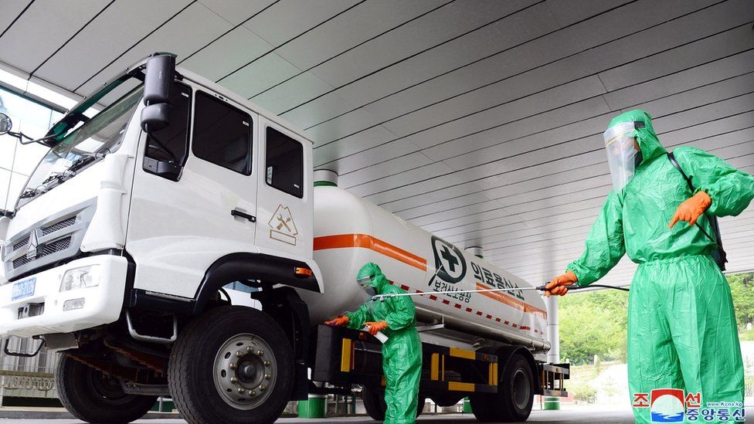
North Korea is grappling with the spread of Covid in an unvaccinated population, without access to effective anti-viral drugs.
In early 2020, the country sealed its borders to try to insulate itself from the pandemic.
Its leadership has so far rejected outside medical support.
And state media has recommended traditional treatments to deal with what is referred to as "fever".
Hot drinks
For those not seriously ill, ruling-party newspaper Rodong Simnun recommended remedies including ginger or honeysuckle tea and a willow-leaf drink.
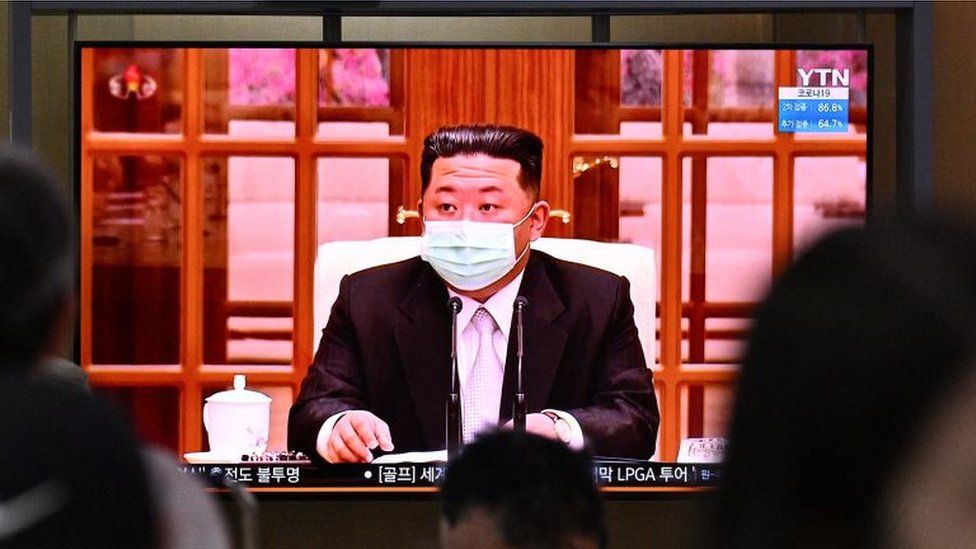
Hot drinks might soothe some Covid symptoms, such as a sore throat or cough, and help hydration when patients are losing more fluid than normal.
Ginger and willow leaf also relieve inflammation and reduce pain.
But they are not a treatment for the virus itself.
Salt water
State media recently interviewed a couple who recommended gargling with salt water morning and night.
A "thousand of tonnes of salt" had been sent to Pyongyang to make an "antiseptic solution", the state news agency reported.
Some studies suggest gargling and nasal rinses with salt water combat viruses that cause the common cold.
But there is little evidence they slow the spread of Covid.
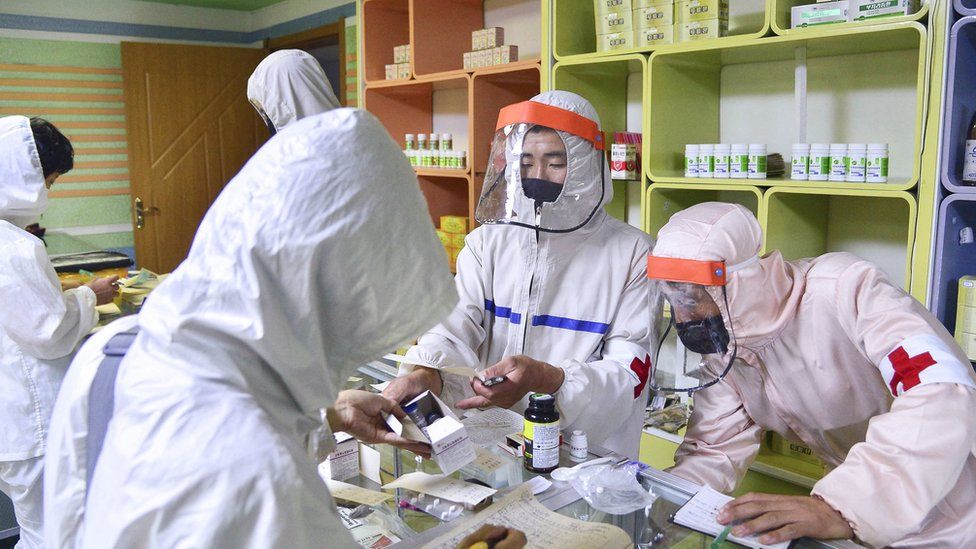
Mouthwash could kill the virus in the lab, a study found.
But it has not convincingly been shown to help in humans.
Covid is mainly caught by inhaling tiny droplets in the air via the nose as well as the mouth, so gargling attacks only one point of entry.
And once the virus has entered, it replicates and spreads deep into the organs, where no amount of gargling can reach.
Painkillers and antibiotics
State television has advised patients to use painkillers such as ibuprofen as well as amoxicillin and other antibiotics.
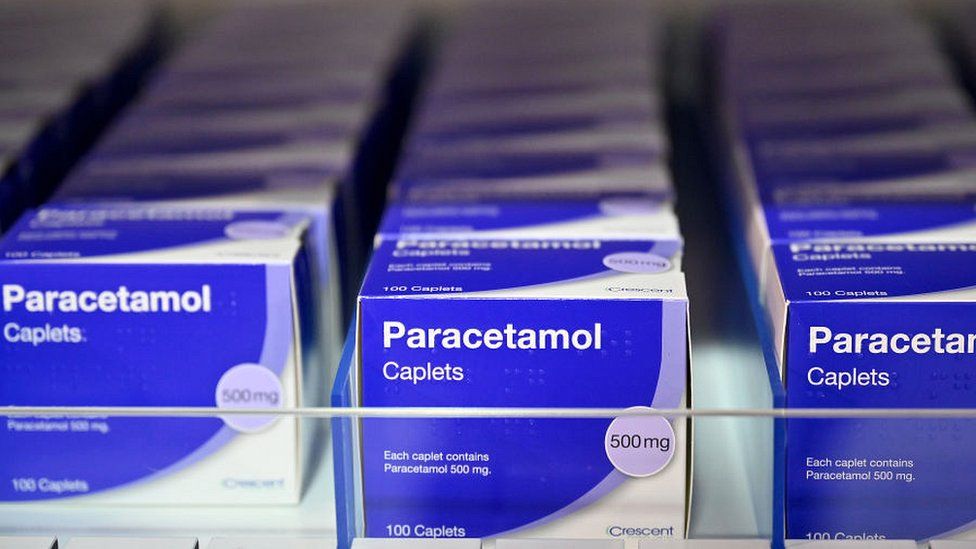
Ibuprofen (and paracetamol) can bring down a temperature and ease symptoms such as headache or sore throat.
But they will not clear the virus or prevent it developing.
Antibiotics, meant for bacterial infections not viruses, are not recommended.
And using antibiotics unnecessarily risks developing resistant bugs.
Laboratory research suggests some may slow the spread of some viruses, including Covid.
But these have not been replicated in the real world.
And a study of the antibiotic azithromycin found it made little or no difference to Covid symptoms, the likelihood of hospital admission or death.
There are some approved drugs to prevent people with Covid ending up in hospital:
- antivirals paxlovid, molnupiravir and remdesivir
- antibody therapies that mimic the immune system
But their effectiveness is variable.
Health system
North Korea's health system has been set up to offer free medical care from basic services at village level up to specialised treatment in government hospitals (usually in urban centres).
But the economy has contracted in recent years because of sanctions and extreme weather such as droughts.
Closing the country's borders and strict lockdown measures will also have had a damaging impact.
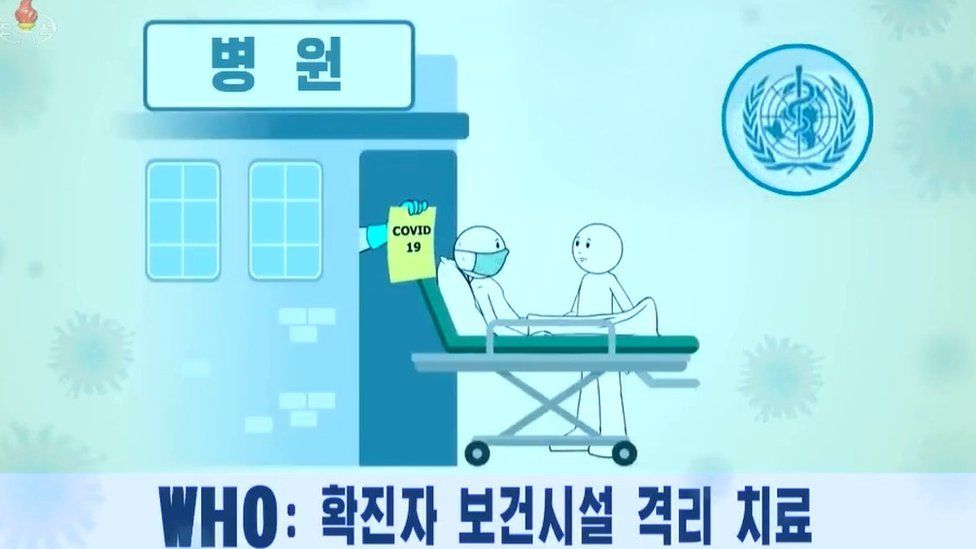
Particularly weak outside Pyongyang, the health system is thought to suffer shortages of personnel, medicines and equipment.
A report for the UN, last year, said: "Some of the pharmaceutical, vaccination and medical-appliance plants do not reach the level of good practice of the WHO [World Health Organization] and do not meet local demand as well."
Many North Korean defectors to South Korea have told of having to pay for medication or finding treatment and drugs limited to privileged members of the ruling party.
But state media says it is now increasing production.
International aid
North Korea turned down three million Chinese-made doses, last year - and reportedly rejected other offers - under Covax, the global vaccine-sharing scheme.
South Korea says it has had no reply to its offer of vaccines, medical supplies and personnel.
North Korea has reportedly recently sent three planes to collect medical supplies from Shenyang.
These had not included "anti-pandemic supplies", the Chinese foreign ministry said, but it was "ready to work with North Korea… in the fight against the coronavirus".
Latest Stories
-
Gov’t to suspend GH¢1 D-Levy on diesel for October and November
18 minutes -
Fire destroys belongings in Akweteyman apartment
48 minutes -
Baffour Awuah to turn himself in to EOCO today – JoyNews sources
54 minutes -
Government identifies payment discrepancy holding up teachers’ strike resolution
1 hour -
BoG signals no FX intermediation for October as GoldBod plans $1bn support for banks
1 hour -
When share ownership becomes personal: The African mindset of the Dangote IPO
1 hour -
Why MFWA Legal Fund matters to Ghana’s democracy
1 hour -
Fuel prices to rise from October 1; diesel could hit GH¢19.60 – COMAC
1 hour -
Parliament must investigate how 3.9 tonnes of cocaine left Ghana undetected – Samuel Jinapor
1 hour -
Government pledges to pay striking teachers as payment dispute is resolved
2 hours -
Government cannot investigate drug exports under its own watch – Abu Jinapor
2 hours -
Government extends GH¢2 diesel subsidy for two more months
2 hours -
GTEC flags over 100 tertiary institutions as unrecognised
2 hours -
Agric Committee chair commends NAFCO for turnaround from GH¢20m debt to GH¢96m profit
2 hours -
NPP: Judicial office requires judges to surrender some personal freedoms
2 hours