


Audio By Carbonatix
A non-governmental organization, Northcode-Ghana, with the technical support of the Conciliation Resources-UK, has rolled out an initiative dubbed, "Locally-led Peace initiatives in Cross-Border regions of Burkina Faso, Côte d’Ivoire and Ghana".
The project, which is funded by the Robert Bosch Foundation, seeks to help in the fight against violent extremism and activities in the Savannah Region.
Launching the project in Damango, the Northcode-Ghana has begun an intensified information gathering and sensitisation exercise in some selected border communities in the region.
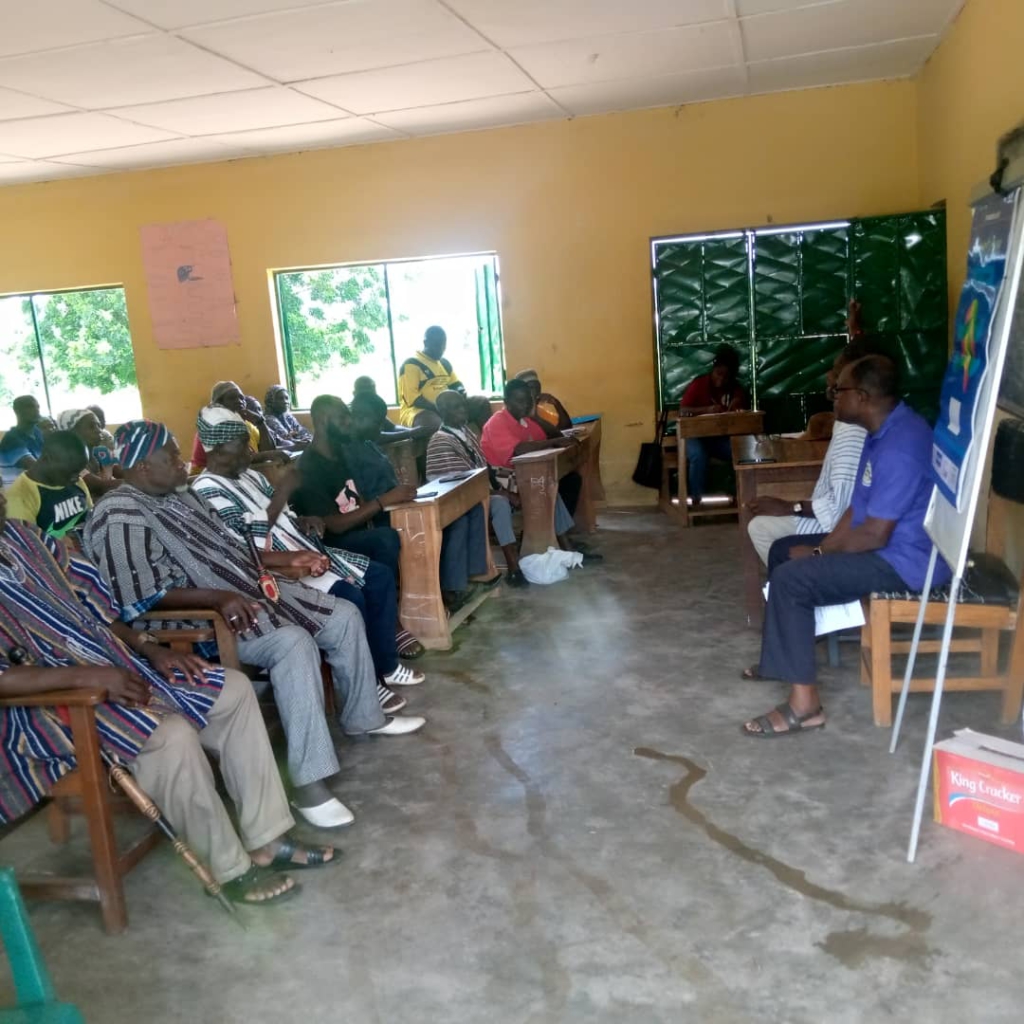
It aims to collect vital information from a wide range of stakeholders in order to inform efforts at developing effective and locally-led countermeasures against the rise in violent extremist activities.
Four communities have been selected for the initial learning and planning process, namely; Mandari, Chacheh in the Bole district and Kalba, Saaru zones in the Sawla-Tuna-Kalba districts.
Speaking to selected participants drawn from these communities, the Technical Lead Coordinator of Northcode Ghana, Dokurugu Andrew, stressed the need for all members of various communities to remain extremely vigilant and be on the lookout for persons with suspicious behaviors and moves.
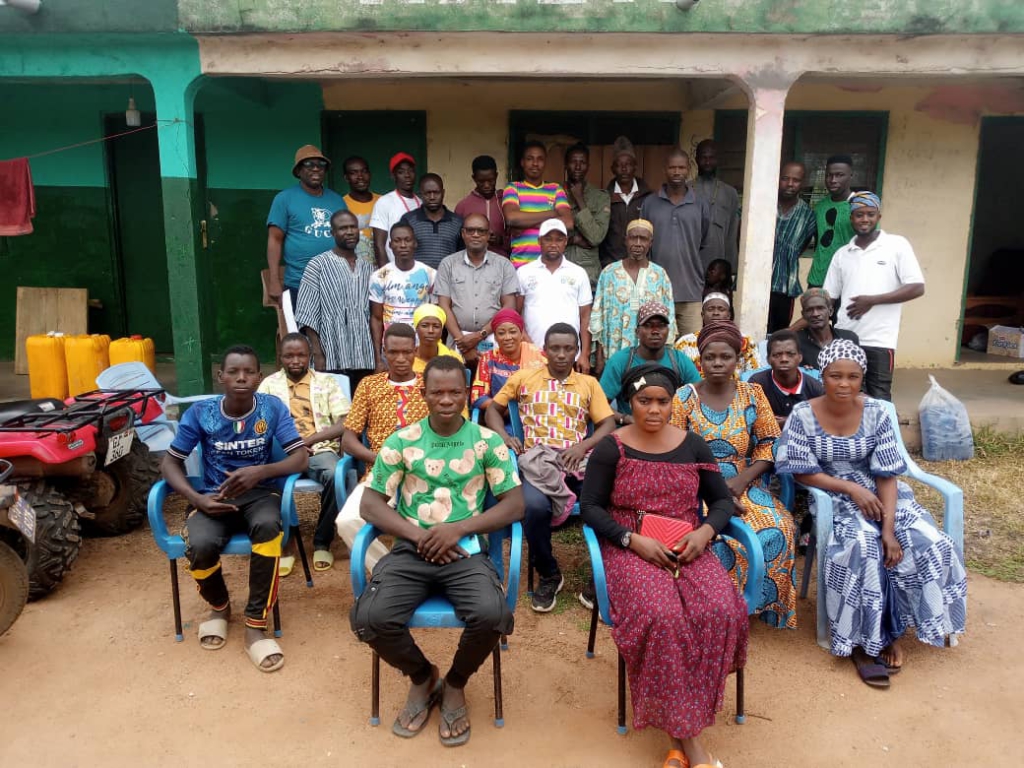
He noted that violent extremists could take the form of traders, philanthropists, job seekers, or even people posing as facilitators in securing jobs for the youth especially, but with dubious agenda to recruit such unsuspecting youth for terrorist activities.
Mr. Dokurugu added that the rumor of violent extremists spreading across West Africa was no longer a rumor, but a painful reality that needed an urgent collaborative effort in finding solutions to the threats posed by violent extremists.
Northern Ghana, he added, was faced with yet another possibility of being the breeding ground for terrorists which could aggravate the region’s already vulnerable state.
The Technical Lead Coordinator urged parents and religious leaders to instill more discipline in their families and followers to avoid being lured by persons who come into the community under the guise of helping them in different ways.
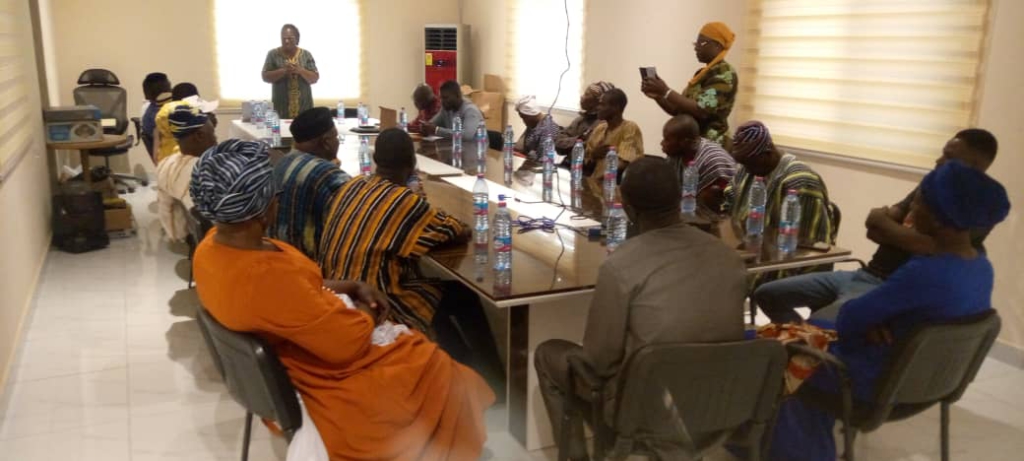
In a focused group discussion setting, participants, including the elderly admitted the existence of fear and panic in all border communities in particular.
This, they claimed was impacting negatively to production and productive hours.
On his part, the Coordinator of Northcode Ghana, Cletus Zumehm noted that the entire world was in danger of sliding into a terrorist state in which no one was safe.
He added that the destiny and safety of persons and communities laid in the hands of all and sundry.
Mr. Zumeh further expressed gratitude to the project’s benefactors; Conciliation Resources and Robert Bosch Foundation.
Latest Stories
-
Mahama urges African governments to treat healthcare as an investment, not budget cost
31 minutes -
Bawumia congratulates John Boadu and new NPP executives, pledges support ahead of 2028
33 minutes -
‘No talent should be left out’ – Bawumia pledges inclusive NPP campaign for 2028
39 minutes -
Prof. Mike Oquaye recounts how he blocked Special Prosecutor’s attempt to arrest Bawku Central MP
54 minutes -
Make health sovereignty a priority for Africa – Mahama
1 hour -
Dorimon Naa, Wa West DCE lead massive clean-up exercise; threaten sanctions against recalcitrant residents
1 hour -
Photos From Adom FM Y2K Jam
1 hour -
Praye Tiatia steals the show at Adom FM Y2K Jam [Watch]
2 hours -
Boakye Agyarko congratulates John Boadu, pledges support for NPP leadership
2 hours -
Antwi HiMight thrills fans with Antwi ne Antwi hits at Adom FM’s Y2K Jam [Video]
2 hours -
Amb. Edward Boateng congratulates Boadu, Kodua on election wins
2 hours -
John Boadu pledges to rebuild NPP from grassroots and restore ‘winning machinery’
2 hours -
Ashaiman Assembly deploys monitoring system to curb dumping in storm drain
3 hours -
John Boadu must rebuild, unite NPP for 2028 – Edward Boateng
3 hours -
Executive intimidation of opposition undermines separation of powers – Prof Oquaye
3 hours