


Audio By Carbonatix
On Wednesday, 3rd June 2026, a gathering of investors in Ghana’s real estate sector sat down to hear the pitch for what is being described as a landmark development on the shores of Labadi Beach. The man addressing them was the young Ghanaian entrepreneur behind Labadi Beach Apartment, and he began not with figures, but with a story.
There is a particular kind of restlessness that comes from seeing what is possible elsewhere and returning home to find the gap still wide open.
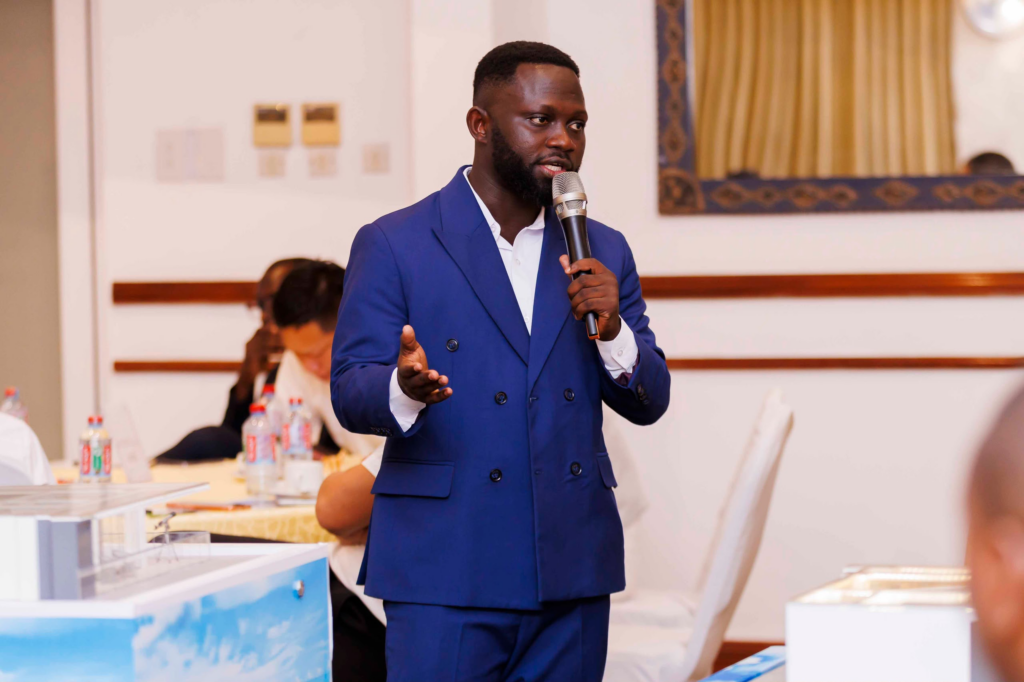
For me, that restlessness became a business model. Years ago, I left Ghana for China to pursue my studies. What I found there was not merely an education in the classroom. It was an education in scale, discipline, and the culture of building. I did not admire China’s skylines from a distance.
Through professional networks and senior engineers, I gained structured access to construction sites across multiple cities, learning how world-class developments are conceived and executed, from foundation to finish.
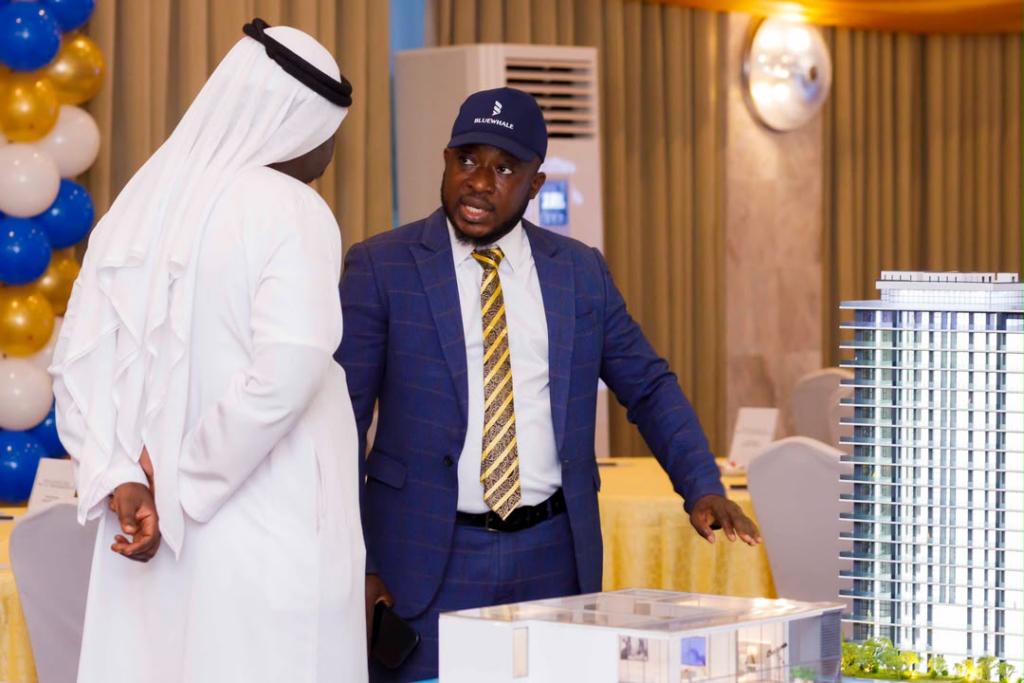
The materials, the timelines, the inspection culture; nothing was taken for granted, and nothing was left to chance. I came away with one question I could not shake: why not Ghana?
That question has now found its answer on the shores of Labadi Beach.
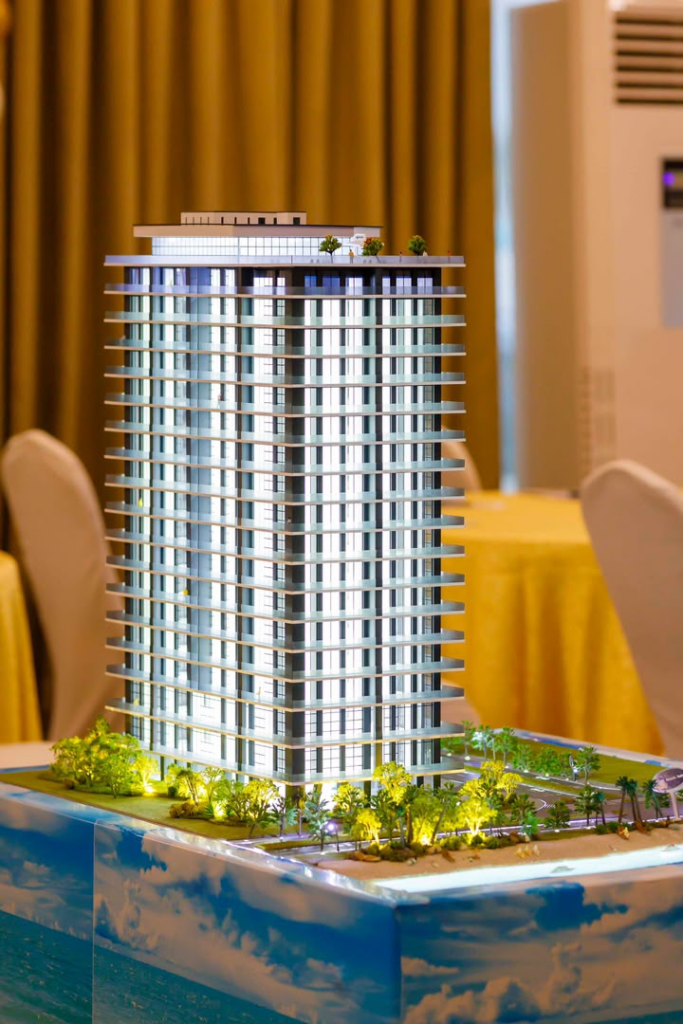
Labadi Beach Apartment is being positioned as more than a residential development. It is a statement of confidence in Ghana’s potential as a destination for premium real estate.
The project is backed by two Chinese state-owned enterprises, China Railway Construction Corporation (CRCC) and China Railway Construction Engineering Group (CRCEG), entities whose portfolios span high-speed rail networks, bridges, and urban developments in more than 130 countries.
The partnership arrangement, however, departs from the conventional contractor model.
CRCC and CRCEG are not engaged merely as service providers. They are partners in shares, with their own capital committed to the project. That distinction matters. When an institution of that standing invests its own resources, it performs its own due diligence. It has skin in the game. The practical consequence is that the risk of stalling, corner-cutting, or compromised quality is structurally reduced.
The aspiration, stated plainly, is replication without dilution; the same materials, the same precision, the same construction discipline one would find in Shanghai or Dubai, delivered on African soil.
That notwithstanding, the project is not built solely on foreign expertise. A deliberate effort is underway to integrate Ghanaian engineers trained to international standards with their foreign counterparts. The argument being made here is one about the future of Ghanaian construction: that the next generation of landmark developments on this soil should be built, at least in significant part, by Ghanaians who have been brought up to the level the work demands.
Beyond Labadi, the pipeline is already moving. An 8-unit, 3-bedroom development in North Legon is reportedly ongoing, while projects in Labone and Oyarifa are scheduled to break ground within months. This is not a single-project venture awaiting a fortunate outcome.
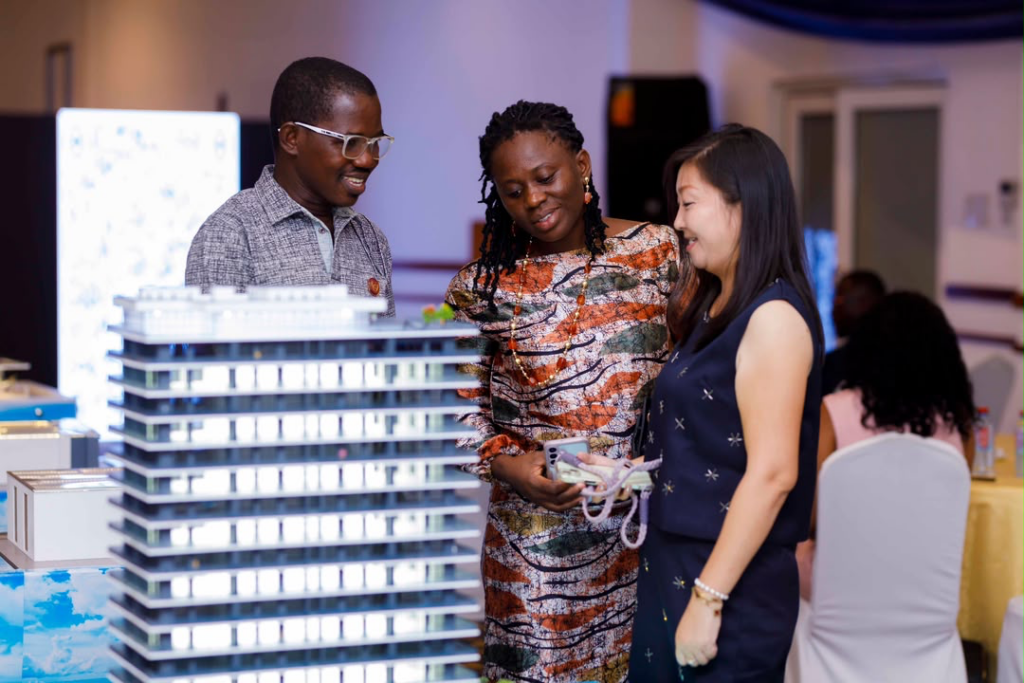
Ghana’s real estate sector has for years attracted interest on the basis of a straightforward premise: a growing population, an expanding middle class, and a chronic undersupply of quality housing. What has been slower to materialise is the kind of development that matches ambition with delivery. Labadi Beach Apartment, if it delivers on its promises, would represent a meaningful addition to that conversation. If it does not, it will join a long list of ventures whose vision outran their execution.
I want my children to walk past these buildings decades from now and feel the intention behind every brick. That is a worthy ambition. Ghana has heard worthy ambitions before. What distinguishes this one, or fails to, will be found not in the speeches but in the structure.
Latest Stories
-
Fr Andrew Campbell honoured among 100 Africa Most Influential Persons in Rwanda
9 minutes -
Ghana to mark World Cleanup Day with National Sanitation Day on October 3
15 minutes -
Ignite Social Enterprise to partner Ghanaian watch manufacturer to boost global sales
42 minutes -
Ignite Social Enterprise does not condone fraud – Bola Ray
45 minutes -
Mr Eazi returns with new single ‘Comfort’ featuring Moliy
1 hour -
‘I don’t hire coaches, and I don’t fire coaches’ – Kofi Adams
2 hours -
NPP sets up 31 voting centres to speed up national executive elections
2 hours -
Demolition begins at La Pleasure Beach amid heavy security presence
2 hours -
Senyocue: Highlife will dominate global music in the next 20 years
3 hours -
Innovare Limited congratulates Ahantaman Community Bank PLC on ISO/IEC 27001:2022 certification urges others to follow suit
3 hours -
Today’s front pages: Friday, October 2, 2026
3 hours -
GPL 2026/27: Opoku Agyemang strike sends Kotoko third after Karela win
3 hours -
Government ‘cannot dissolve’ GFA – Sports Minister Kofi Adams
4 hours -
“Every genre we create doesn’t have to be ‘Afro’ something” – M.anifest
4 hours -
GMTF marks first anniversary with lifesaving equipment for 9 more hospitals
5 hours