

Audio By Carbonatix
The new iPhone 14 has been announced and is expected on the market in a couple of days. With the release, comes the thrill of using the latest top-of-the-line device.
Apple enthusiasts have already preordered the device in anticipation of being among the first to enjoy the new features.
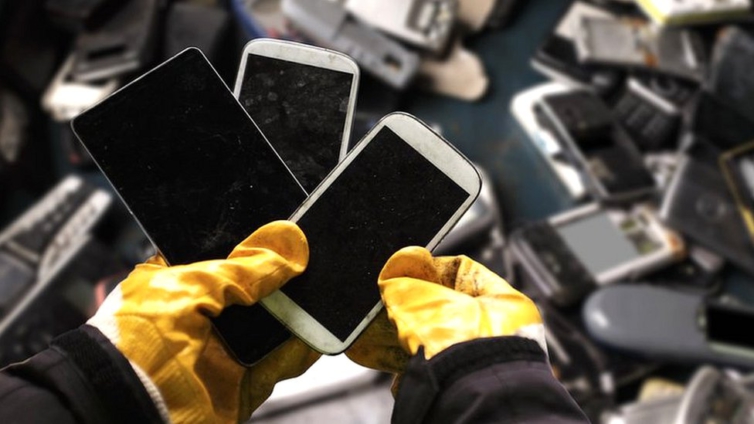
What happens to the old devices? Most people in the West will recycle theirs. Even a considerable number of Africans and Ghanaians specifically will swap their old devices for new ones. But some of the devices are just too old to put back on the market for persons who want a budget device. They must simply be discarded.
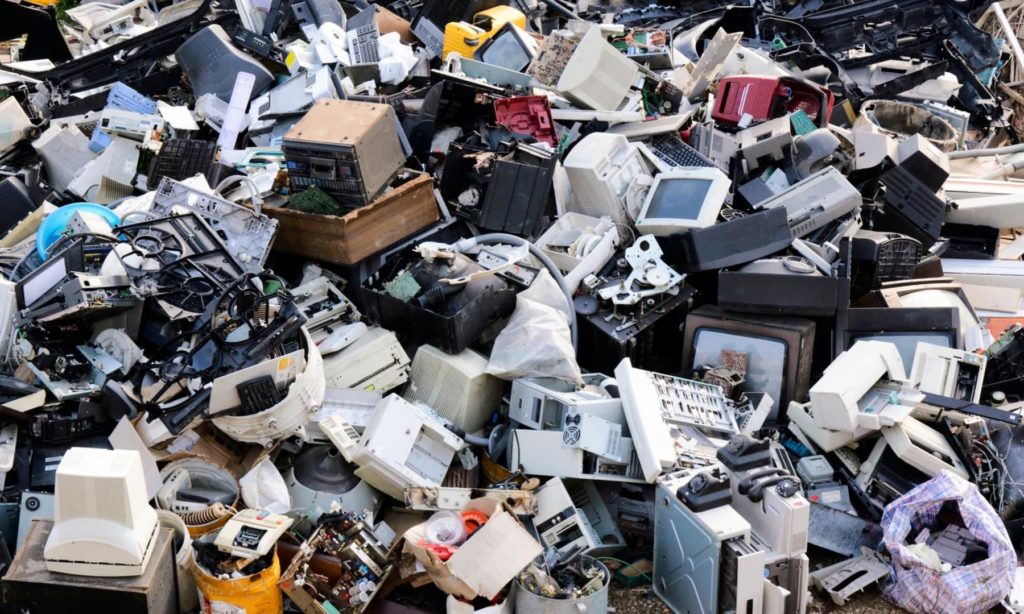
Where then do you dispose of these used devices? Take the discussion away from your old iPhone - an old TV remote control, headsets, loudspeakers, desktop computers, electric kettles and numerous electrical and electronic devices in your home, how do you discard them? Ever thought of how your method of getting rid of them comes back to affect you?
A survey of three of the public universities in Accra showed that no provision has been made for the appropriate disposal of e-waste. Some of these communities have made strides in getting members to segregate plastic from other domestic waste but conspicuously missing are attempts to segregate and properly deal with e-waste.
The effects of this pattern of behaviour are simply dire.
First of all, what is e-waste? The UN defines it as any discarded product with a battery or plug that features toxic and hazardous substances such as mercury, that can pose severe risks to human and environmental health.
Other components of this discarded matter are plastics and lead. Plastics take hundreds of years to decay which means the open-site disposal of these gadgets directly affects soil structure. Lead another component of electronic waste is poisonous to living things.
In Ghana, the vast majority of e-waste is managed under poor environmental, health and safety conditions. Open burning of cables and manual disassembly of lead-acid batteries are still widely used practices, causing significant environmental pollution and damage to human health, says the UN Environment Programme.
E-waste is not charred only as a means of getting rid of them. Scrap dealers and other salvagers, mostly the youth from different parts of the country and even West Africa who live in Accra, burn e-waste to salvage gold, iron and other metals and that process releases toxic fumes into the environment, especially those who inhale it.
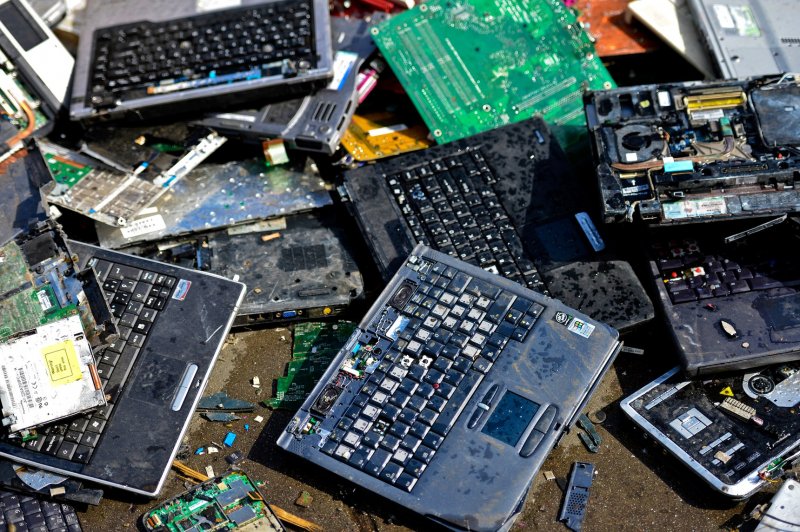
When these fumes go up in the sky, it falls back as acid rain which damages crops.
Burns, back problems, and infected wounds are common ailments among these workers, as well as respiratory problems, chronic nausea, and debilitating headaches—brought on by the hazardous working environment and toxic air pollution, Bloomberg writes.
Amedzor Eyram, team lead at Dispose Green, a waste management company says Ghana has not invested much in dealing with e-waste, with much focus placed on domestic household waste.
One key strategy to take e-waste on is purposively providing facilities to recycle/repurpose used electric devices. Non-functional electronic devices must also be banned, Mr Amedzor said.
Besides programmes being run by GIZ in the management of e-waste, very little attention has been directed to the topic in Ghana.
It might just be the time for specific government policies targeted at the issue because with the release of newer technology like the iPhone 14, the older gadgets cry for space and in the absence of proper means of recycling or discarding them, they add to the tons of e-waste harming the Ghanaian environment.
Latest Stories
-
At least 27 people killed in two shootings in South African township
50 seconds -
Iranian minister says only negotiation can end conflict after Trump rejects Hormuz deal
19 minutes -
Some Ghanaians use free speech to destroy reputations – Bobby Banson
33 minutes -
Crowds, deals and home solutions as Republic Bank-JoyNews Habitat Fair enters final day
4 hours -
Fire Service finds only five functional hydrants in Ministries enclave
4 hours -
Government to sign 1,200MW gas power deal before end of 2026 – Mahama
4 hours -
West Mamprusi launches community-led WASH and livelihoods project across 100 communities
4 hours -
Iran says it will wait for official US response after Trump rejects Strait of Hormuz proposal
4 hours -
90 Oti communities to benefit from government electrification project
4 hours -
Floods leave 246 without shelter as 93 houses collapse in North East Gonja
4 hours -
Labour Minister wants SOEs to help shape new public pay system
9 hours -
IPEC will ensure Equity and Sustainability in SOEs Compensation
10 hours -
White House bars CNN from travelling with Trump on Air Force One
10 hours -
Fennis wins second consecutive ITF J60 title in Accra
10 hours -
Spain beat England in thriller after Kane penalty miss
10 hours