

Audio By Carbonatix
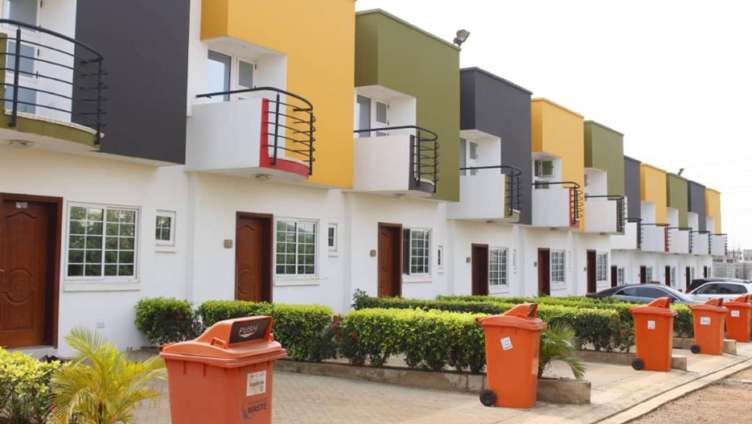
Buying a home could be a daunting and anxious enterprise, especially for first-time buyers. The intricate processes and steps, the anxiety about making a mistake that could be very expensive weigh on the mind, making the thought process and decision making somewhat tedious. From the mode of payment to who to finance the purchase – in the case of a loan or a mortgage – the burden of the journey becomes heavier without finding the right help.
Within the multiplicity of options available for financing a home purchase, navigating through them to find the right one that fits your pocket and income could be difficult without some guidance from experts. In this article, we will share some tips, particularly for people within the healthcare sector in Ghana, to make life easier for them when buying their first home.
The first thing you need to do is to conduct an audit of your finances to determine whether or not you are ready to buy a home. Buying a home means you have to be ready for both the actual purchase and the recurrent expenditure that comes with the maintenance of a home. Doing this will help you know your financial status and also let you know whether to proceed or defer to a later date. If you will need to finance your home purchase with a bank loan, you have to make sure that you have good credit and a history of retiring your loans on time.
Secondly, you have to decide on the type of home that will best suit your needs. Size of family, location and topography of land, finances and other such allied factors determine the make and type of building one should buy. The various types and makes of houses – detached, semi-detached, duplex, townhouse or large family house – all have their advantages and disadvantages depending on what you want to achieve with your home purchase. While it is good to retain some flexibility in this list, you are making perhaps the biggest purchase of your life; you deserve to have that purchase fit both your needs and wants as closely as possible. Your list should include basic desires, like neighborhood and size, all the way down to smaller details like bathroom and a kitchen layout. Whatever you decide, you need to make sure that the building meets and serves your needs of a home.
Also, if you want to finance the purchase with a mortgage, it is critical to know how much mortgage you qualify for. Make sure to get preapproved for a loan before placing an offer on a home. In many instances, sellers will not even entertain an offer that’s not accompanied by a mortgage preapproval. In addition, many realtors will not spend time with clients who haven’t clarified how much they can afford to spend. Begin by researching lenders and comparing interest rates and fees. Then, submit your application for a mortgage and include the supporting documentation requested by your lender to verify your income and debt.
The other critical factor you need to consider relative to a mortgage is your savings. Even if you qualify for a sizeable mortgage, there will be a considerable upfront cash outlay that includes your down payment (3.5%-20% of the purchase price) and closing costs. If you have one year to three years to realize your goal, then a certificate of deposit may be a viable option. It is not going to make you rich, but you aren’t going to lose money either. If the home purchase happens in six months to a year, then you are going to want to keep the money liquid. A high-yield savings account could be the best option.
If still in doubt, as stated earlier, it is always good to talk to experts for clarity and direction. In Ghana, Stanbic Bank has a package specifically made for healthcare professionals. The tailor-made product, the ‘Nurse and Midwives Care’, makes it easier for nurses and midwives to access loan facilities, particularly mortgage loans in aid of their accommodation.
The offer includes a wide range of services including home loans for the outright purchase of turnkey properties for accommodation and developer constructions loans for the purchase of residential properties from developers where the property is still under construction. Others include refinancing, which enables nurses and midwives to arrange new financing terms such as currency, amount, and term of existing loans. The product also offers customers equity release that enables customers to unlock values in existing property by taking loans and using the money released for a variety of personal needs.
Latest Stories
-
Hawa Koomson pledges experienced and mature leadership of NPP women’s wing
22 minutes -
Young woman found dead at Kasoa Peace Town
54 minutes -
Playback: The Law examined lawful arrest in Ghana
1 hour -
Mahama urges African governments to treat healthcare as an investment, not budget cost
2 hours -
Bawumia congratulates John Boadu and new NPP executives, pledges support ahead of 2028
2 hours -
‘No talent should be left out’ – Bawumia pledges inclusive NPP campaign for 2028
2 hours -
Prof. Mike Oquaye recounts how he blocked Special Prosecutor’s attempt to arrest Bawku Central MP
2 hours -
Make health sovereignty a priority for Africa – Mahama
2 hours -
Dorimon Naa, Wa West DCE lead massive clean-up exercise; threaten sanctions against recalcitrant residents
3 hours -
Photos from Adom FM Y2K Jam
3 hours -
Praye Tiatia steals the show at Adom FM Y2K Jam [Watch]
3 hours -
Boakye Agyarko congratulates John Boadu, pledges support for NPP leadership
3 hours -
Antwi HiMight thrills fans with Antwi ne Antwi hits at Adom FM’s Y2K Jam [Video]
3 hours -
Amb. Edward Boateng congratulates Boadu, Kodua on election wins
4 hours -
John Boadu pledges to rebuild NPP from grassroots and restore ‘winning machinery’
4 hours