

Audio By Carbonatix
According to the 2021 Population and Housing Census, 470,737 people in Ghana, have some degree of hearing loss.
Out of this, over 211,000 are deaf and hard of hearing, relying on a number of sign languages, with Ghanaian Sign Language (GhSL) as the primary mode of communication.
How critical it is to be able to communicate outside of their group, is an enduring setback hindering their socialization efforts.
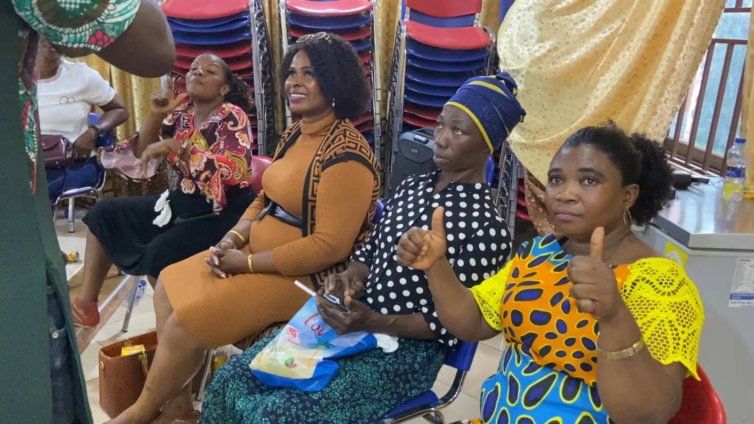
Holding substantial portfolios in Ghanaian society is a notable neglect faced by the majority of persons with hearing impairment.
The National President of the women’s wing of the Ghana National Association of the Deaf, Salamatu Ibrahim, says the language barrier is accounting for this, criticising the media for relenting on efforts to mitigate it.
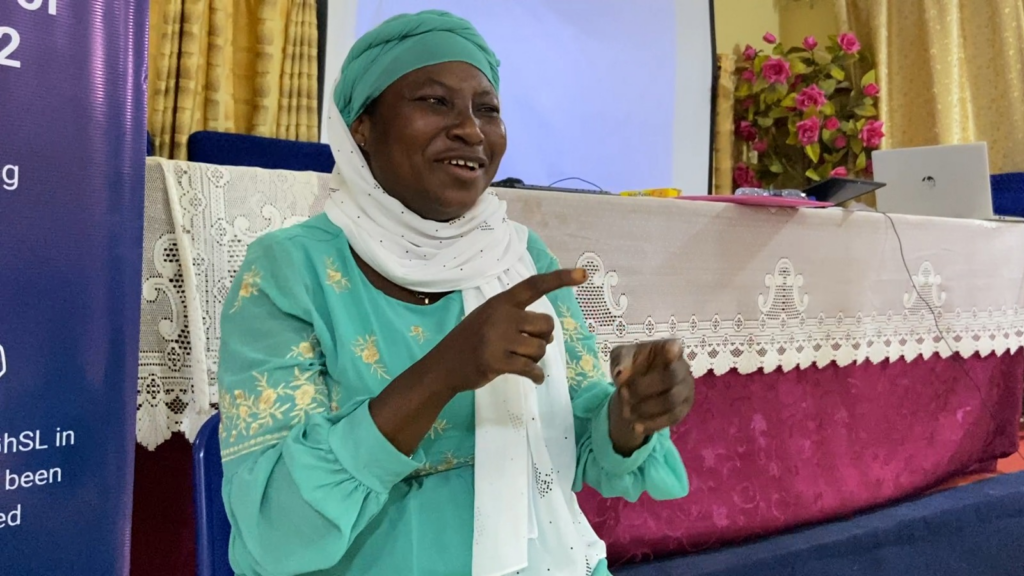
She says the group is able when given the support.
“Sign language is our medium of communication, which we need maximum support with. And there are so many things that I appear on television and radio but because we are deaf people we hardly get the message,” she said.
The Ghana National Association of the Deaf has recognised lack of communication skills, confidence and leadership skills as further obstructing many women in the group from taking essential roles in society.
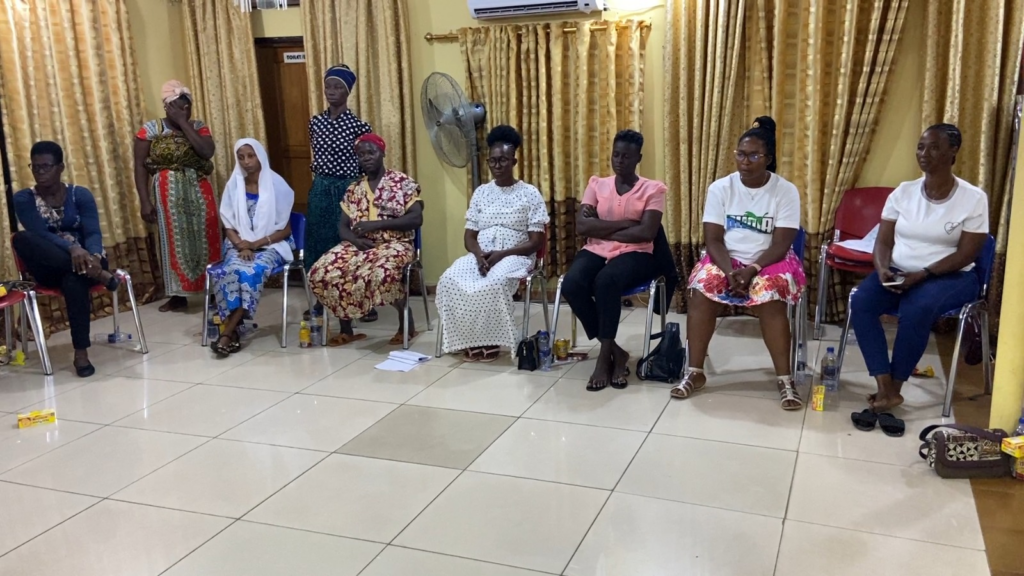
Twenty of such women across the country have undergone a three-day training to maximise the use of their soft skills.
Programs Manager for the Ghana National Association of the Deaf, Seidu Musah, says increased training, recognition and promotion of Ghanaian Sign Language 2 will lead to full realization of their linguistic and human rights.

“Though the societal structures are weak. The major thing they need to contest or develop themselves is sign language interpreters. Since we may be facing setbacks."
“This program has been designed to equip them to be able to take positions in the GNAD leadership structure and also outside when need be,” he said.
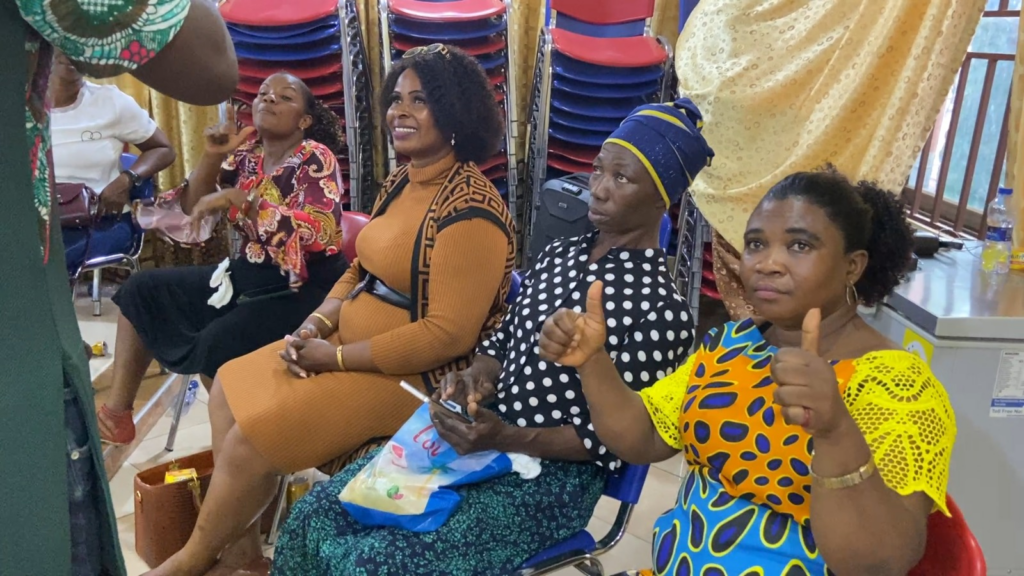
Lead facilitator, Emmanuel Sackey, says the training will help beneficiaries take positions in the mother organization of GNAD, and effectively perform their duties.
Hopefully, such training programs will endear persons with hearing impairment like Mabel to aspire to leadership positions.
Latest Stories
-
Conflicts among care providers linked to maternal, neonatal deaths – Expert
8 minutes -
GIS marks 10th TIME conference, champions improved teaching practices
15 minutes -
BRICS Or Balance? What Ghana’s bid really means
41 minutes -
GPRTU wants full TRAFFITECH-GH implementation to start in 2027
60 minutes -
Mahama announces plans to import electric wheelchairs for PWDs
1 hour -
KGL U17 Colts 2026: Western beat Prempeh Elite Academy to set up final final with Greater Accra Region
1 hour -
Late Solanke strike salvages 10-man Spurs draw at Man United
2 hours -
Gender Ministry to monitor welfare of Nana Akua Addo’s children amid domestic violence case
2 hours -
Benedict Okyere Yeboah: Ghana’s football problem goes beyond sacking a coach
2 hours -
GPL 2026/27: Darkwah Wiafe’s winner sees All Blacks beat Kotoko
2 hours -
ITF World Tour : Patel Wins Boys’ Singles Final at J100 Accra
2 hours -
Ghana must pursue BRICS partnership if it brings economic benefits – Kpebu
2 hours -
Success and Wright Claims J100 Accra Girls’ Doubles Championship
2 hours -
ITF J100: America’s Wright wins J100 Accra Girls’ Singles Title
2 hours -
Expedition hopes to find aviator Amelia Earhart’s plane on remote island
2 hours