

Audio By Carbonatix
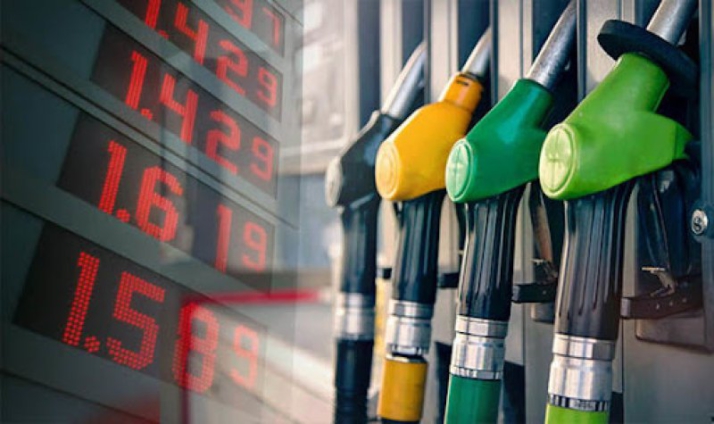
Petrol and diesel prices could hit over ¢8 per litre before mid-2022 if the price of crude oil and the depreciation of the cedi to the dollar maintain their traction on the foreign and local market respectively, the Institute for Energy Security has revealed.
Crude oil is presently hovering around $89 per barrel, whilst the cedi is trading at ¢6.52 against the US dollar.
In a statement, the energy think tank said questioned the credibility of the Price Stabilization and Recovery Levy (PSRL), saying the tax has proven to be unrealistic strategy for bringing down domestic fuel prices
Government from the beginning of February 2022 reinstated the policy which is to cushion losses from petroleum revenue in times of drastic reduction in the price of crude oil on the oil market.
But the IES said three months after the suspension of the levy, domestic fuel prices have risen by more than 9%, to reflect rising international oil and fuel prices, and the fall in value of the local currency.
“The strategy deployed in November 2021 and when average prices of petrol and diesel hit ¢6.52 per litre, was in direct response to mounting pressure on government by Ghanaians, to halt the frequent upward fuel price adjustments.”
“Three months after the suspension of the levy, domestic fuel prices have risen by more than 9% to reflect rising international oil and fuel prices, and fall in value of the local currency. Referenced to today’s Petrol price of ¢7.45 per litre as offered by Total Petroleum and Shell (Vivo), the commodity’s price has moved up by roughly 14%since the PSRL was suspended in November 2021”, he added.
Furthermore, the IES said “but for some political interventions in mid-December 2021, the price of Petrol and Diesel would have crossed the ¢7 per litre mark before the end of year 2021. That desperate move resulted in Ghana Oil Company (GOIL) threatening to pull out of the Association of Oil Marketing (AOMC), after the latter allegedly accused the former of bowing to government’s pressure to reduce its prices, in contravention with of the petroleum downstream deregulated regime’s practices.”
It called for a more sustainable and pragmatic response to the exposures from international oil prices and the foreign exchange market; one that goes beyond the PSRL, since it has become increasingly apparent that Petrol and Diesel prices will likely finish the first-half of the year at record highs.
It concluded saying “whereas the PSRL has proven unsustainable in its present form and substance as validated by IES’ study, the National Petroleum Authority’s incompetent application of same to the realities of the Ghanaian fuel market is a worse cause for worry”
Latest Stories
-
Indian billionaires buy foreign companies as growth slows at home
1 hour -
Mexico to host Iran for FIFA World Cup 2026
1 hour -
Absa Bank Ghana empowers businesses to navigate market risks
2 hours -
Moroccan Sahara: The preeminence and relevance of the autonomy plan highlighted in Verona
2 hours -
FIFA non-affliation and disclaimer notice
2 hours -
2026 World Cup: Baba Rahman, Mumin and Nuamah return as Black Stars name provisional squad
2 hours -
Bryan Acheampong to donate 50 computers to UniMAC students after AI lecture pledge
2 hours -
Injured Davies set to miss Canada World Cup opener
2 hours -
University of Ghana to launch global alumni network app to reconnect graduates
2 hours -
MTN celebrates Africa Day with renewed push for digital inclusion and youth empowerment
2 hours -
Mahama’s African Games forensic audit reveals over $40m in financial irregularities
3 hours -
Russia threatens more Kyiv strikes and tells foreign nationals to leave
3 hours -
I don’t wish NDC well; they’ve become a menace – Miracles Aboagye on NDC internal tensions
3 hours -
Oil prices slide on hopes of US-Iran peace deal
3 hours -
John Mahama receives customized set of golf clubs ahead of 2026 Head of State Invitational Tournament
4 hours