

Audio By Carbonatix
The Public Interest and Accountability Committee (PIAC) has raised concerns about Petroleum revenue been used to tackle too many national issues at the same time.
This, they said, is weakening the potential impacts of oil revenues in sociology-economic development of the country.
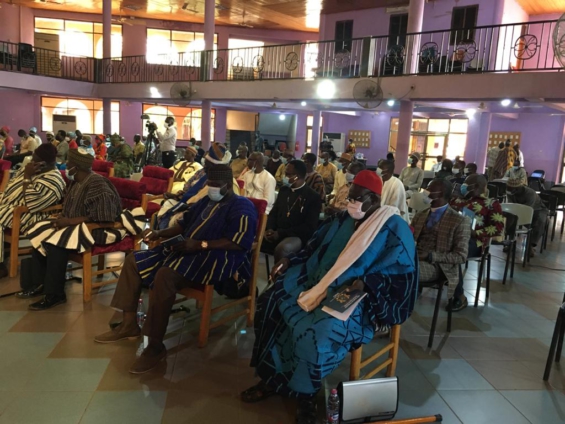
Speaking at the Northern belt forum on the 10 years of petroleum revenue management in Tamale, the Chairman of PIAC, Professor Kwame Adom-Frimpong mentioned the Free SHS as a programme relies on petroleum revenue as a key funding source.
He said due to the volatile nature of the petroleum revenues, funding sources for the free SHS programme needs to be diversified.
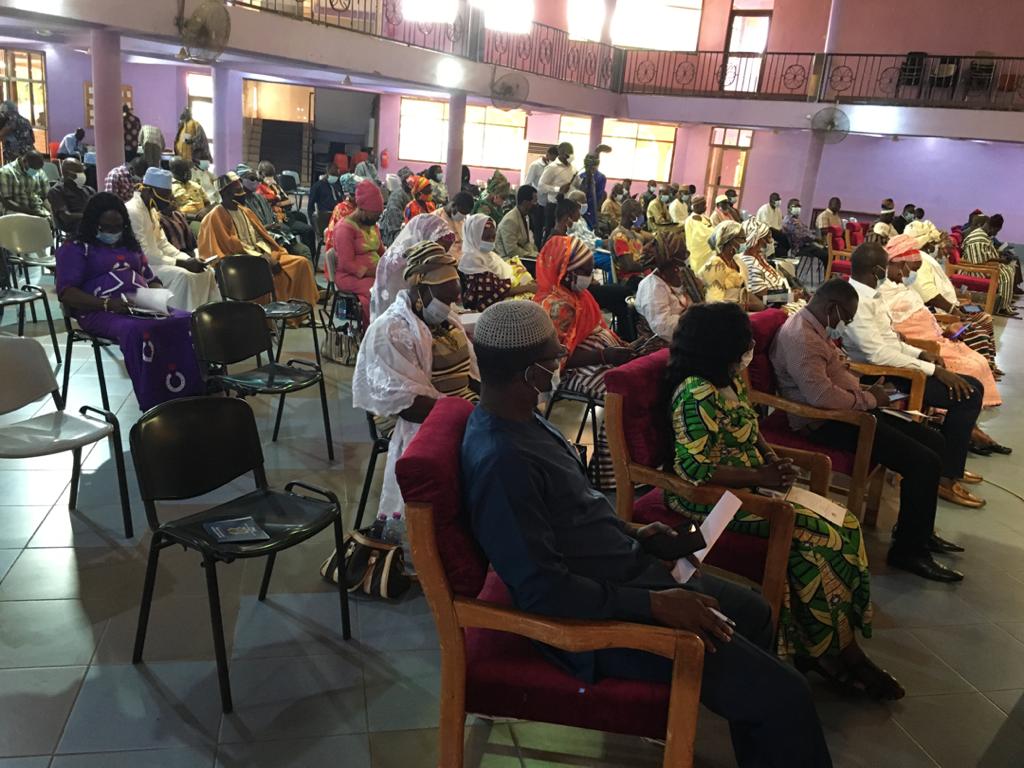
This year’s forum was to engage the public to debate on whether spending prospects and management and use of the revenues conform to development priorities as provided under section 21(3).
Dr Kwame Adom-Frimpong said a total amount of GHS622.25 million was used on physical structure and service delivery in the education sector between 2017-2018 whiles GHS31.36 million was spent on physical infrastructure and service in the health sector.
He said the distribution of ABFA for the year 2017-2018 stood at GHS1.16 million which covered areas such as agriculture, roads, rail and other critical infrastructure development, GIIF, education, health and PIAC noting that Gh296.98 million was used for roads and other critical infrastructure for the year 2017-2018.
Prof Kwame Adom- Frimpong said there ought to be a properly conducted impact evaluation of priority areas to precede the selection of new areas, adding that few legacy projects should be identified and supported by the ABFA.
Dr Kwame Adom-Frimpong mentioned the increase in surface rentals payment, influence on Free SHS policy, amendments of PRMA to vary benchmark elements, regular tax audits on IOCs by GRA among others as some of the key positive impacts made by PIAC.
PIAC recommended projects are the Kotoka International Airport terminal 3, Free SHS programme, Enchi-Asankragua road and the Kojokrom-Tarkwa railway.
PIAC is a statutory committee established under section 56 of the petroleum revenue management Act 2011 (Act 815).
Its core objective is to monitor and evaluate compliance with the Act by government and relevant institutions in the management and use of petroleum revenues and investments among others.
Latest Stories
-
Ghana Water revenue mobilisation below 50% of potential – MD
5 minutes -
Ghana’s democracy must accommodate dissent and constructive criticism – Haruna Iddrisu
6 minutes -
Fact check: Trump posts fake quote of Denzel Washington supposedly praising him
6 minutes -
UPSA students lament high fees at private hostels, call for government intervention
17 minutes -
We will upgrade Ghana’s credit ratings if government maintains fiscal discipline, policy effectiveness – Moody’s
18 minutes -
Gender Ministry supports four siblings allegedly sexually abused by their father
22 minutes -
UMB MD wins ‘CEO of the Year’, banking category at 2026 Ghana Credit Excellence Awards
23 minutes -
Don’t throw away empty egg cartons — 6 smart ways to reuse them
26 minutes -
GoldBod poised to surpass 2025 forex performance – Sammy Gyamfi
27 minutes -
Old students of Peki SHS break ground to give 70-year-old school infrastructure a facelift
42 minutes -
Ablakwa facing ‘personal vendetta’ over refusal to grant Nana B service passport – Majority
42 minutes -
Every year, the lawyers come out, and so does the nonsense! – Ace Ankomah writes
55 minutes -
Digital transformation without an ownership culture can digitise poor service
58 minutes -
Fishing communities demand revocation of offshore gold exploration licences over livelihood concerns
1 hour -
How Ghanaian tycoon Manoj Lakhiani built a water and plastics empire from a $25,000 loan
1 hour