

Audio By Carbonatix
The Project Management Institute, Ghana has expressed alarmed at the devastating effects of illegal mining on the nation.
In a statement, it said, Ghana cannot deliberately destroy its very own existence under the guise of keeping a select few in business.
“We are therefore urging all citizens and stakeholders in the illegal mining value stream to unite in calling for the promotion of sustainable and responsible mining practices. This call to action is critical to safeguarding our environment, health, and future generations”, the statement pointed out.
The Urgency of Sustainable Practices
Sustainability, according to the United Nations World Commission on Environment and Development is defined as “development that meets the needs of the of the present without compromising the ability of future generations to meet their own needs”.
With particular reference to the United Nations Sustainable Development Goals (UN SDGs) goals 13 (Climate action) 14 (Life below water) and 15 (Life on land), it said, the nation, which a proud member of the United Nations has done little in taking steps towards the achievement of these UN SDGs.
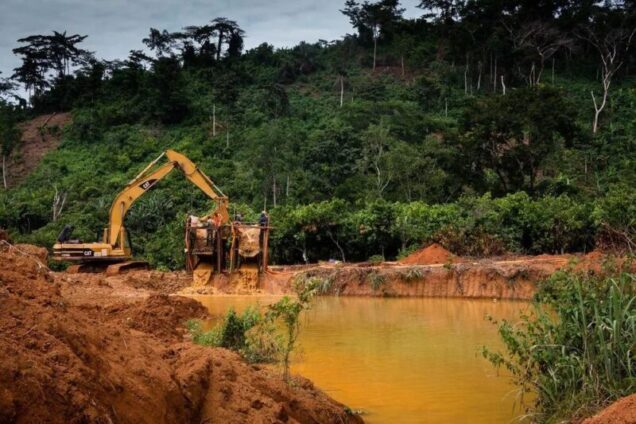
“Illegal mining, particularly gold extraction, has been a significant economic activity in Ghana. However, the use of deadly chemicals like mercury and cyanide in mining operations and the disposal of the waste into water bodies has led to severe environmental degradation and health hazards. Mercury and cyanide contamination in water bodies pose a dire threat to humans who rely on these sources for drinking, cooking farming, among other things. Humans further consume the crops and wildlife which may have substantial deposits of these heavy metals”, it added.
Accra, Ghana 4th October, 2024
The Project Management Institute, Ghana is alarmed at the devastating effects of illegal mining on the nation. We cannot, as a nation, deliberately destroy our very own existence under the guise of keeping a select few in business. We are therefore urging all citizens and stakeholders in the illegal mining value stream to unite in calling for the promotion of sustainable and responsible mining practices. This call to action is critical to safeguarding our environment, health, and future generations.
The Urgency of Sustainable Practices
Sustainability, according to the United Nations World Commission on Environment and Development is defined as “development that meets the needs of the of the present without compromising the ability of future generations to meet their own needs”.
With particular reference to the United Nations Sustainable Development Goals (UN SDGs) goals 13 (Climate action) 14 (Life below water) and 15 (Life on land), the nation, which a proud member of the United Nations has done little in taking steps towards the achievement of these UN SDGs.
Illegal mining, particularly gold extraction, has been a significant economic activity in Ghana. However, the use of deadly chemicals like mercury and cyanide in mining operations and the disposal of the waste into water bodies has led to severe environmental degradation and health hazards. Mercury and cyanide contamination in water bodies pose a dire threat to humans who rely on these sources for drinking, cooking farming, among other things. Humans further consume the crops and wildlife which may have substantial deposits of these heavy metals.
Environmental and Health Impacts
- Polluted Water Bodies: Mercury and other toxic chemicals have contaminated rivers and streams, making the water unsafe for consumption and agricultural use. Wild animals in our forests rely on the same contaminated water for hydration.
- Depleted Forest Reserves: Illegal mining activities have led to the destruction of vast forest areas, affecting biodiversity and contributing to climate change.
- Health Implications: The ingestion of heavy metals through contaminated water and the consumption of fish can lead to severe health issues, including neurological and developmental disorders.
Responsible Project Management Practices
Stopping illegal mining and its environmental impacts requires a multifaceted approach that includes stringent regulations, advanced monitoring, community engagement, rehabilitation programs, stakeholder collaboration, economic alternatives, legal actions, environmental impact assessments, and public education.
To address these challenges, the Project Management Institute, Ghana advocates for the following responsible project management practices:
- Strengthening Regulations: Implementing and enforcing stringent environmental laws and regulations to control mining activities. This includes setting clear guidelines for legal mining operations and severe penalties for illegal mining.
- Monitoring and Surveillance: Utilizing advanced technologies such as satellite imagery, drones, and remote sensing to monitor mining activities and detect illegal operations promptly.
- Community Engagement: Educating and involving local communities in the fight against illegal mining. This can be achieved through awareness campaigns about the environmental and health impacts of illegal mining and encouraging community reporting of illegal activities. Communities, when entrusted with ownership of the lands and water bodies will offer better stewardship.
- Rehabilitation Programs: Developing and enforcing mine rehabilitation programs that require mining companies to restore mined areas to their natural state or to a condition that is safe and usable for other purposes.
- Collaboration with Stakeholders: Working with various stakeholders, including environmental NGOs, local communities, and international organizations, to create a unified front against illegal mining.
- Economic Alternatives: Providing alternative livelihood opportunities for those involved in illegal mining. This can help reduce the economic incentive to engage in illegal activities.
- Legal Actions and Penalties: Taking legal actions against individuals and organizations involved in illegal mining and imposing heavy fines and penalties to deter such activities.
- Environmental Impact Assessments (EIAs): Mandating comprehensive EIAs before approving any mining projects to ensure that potential environmental impacts are identified and mitigated.
- Public Awareness and Education: Running public awareness campaigns to educate the general public about the dangers of illegal mining and the importance of environmental protection.
The Project Management Institute, Ghana is calling for the immediate:
- Halting of Illegal Mining: Strengthening enforcement of mining regulations and increasing penalties for illegal activities.
- Consultative Stakeholder Engagement: Involving all stakeholders, including local communities, government agencies, and industry players, in decision-making processes.
- Land Reclamation: Restoring mined lands to their natural state through reforestation and soil rehabilitation.
- Dredging and desilting of Damaged Water Bodies: Removing sediments and pollutants from contaminated water bodies to restore water quality.
- Purifying Polluted Water Bodies: Implementing water treatment solutions to remove toxic chemicals and make water safe for consumption.
- Afforestation of Degraded Forest Reserves: Planting trees and restoring forest ecosystems to combat deforestation and climate change.
- Criminalization of the acts: Enforcing strict legal actions against individuals and entities involved in illegal mining activities will serve as a deterrent to others.
The Role of Government and Responsible Citizenship
The government, as a steward, must play a pivotal role in enforcing regulations, providing resources for environmental restoration, and supporting sustainable mining initiatives. Citizens, on the other hand, must act responsibly by reporting illegal activities, participating in community engagements, and adopting sustainable practices in their daily lives.
In conclusion,The Project Management Institute, Ghana believes that through collective action and responsible project management, we can avert a looming environmental and health catastrophe. Let us all commit to sustainable practices to protect our environment, health, and future generations.
Find Below the Statement
Accra, Ghana 4th October, 2024
The Project Management Institute, Ghana is alarmed at the devastating effects of illegal mining on the nation. We cannot, as a nation, deliberately destroy our very own existence under the guise of keeping a select few in business. We are therefore urging all citizens and stakeholders in the illegal mining value stream to unite in calling for the promotion of sustainable and responsible mining practices. This call to action is critical to safeguarding our environment, health, and future generations.
The Urgency of Sustainable Practices
Sustainability, according to the United Nations World Commission on Environment and Development is defined as “development that meets the needs of the of the present without compromising the ability of future generations to meet their own needs”.
With particular reference to the United Nations Sustainable Development Goals (UN SDGs) goals 13 (Climate action) 14 (Life below water) and 15 (Life on land), the nation, which a proud member of the United Nations has done little in taking steps towards the achievement of these UN SDGs.
Illegal mining, particularly gold extraction, has been a significant economic activity in Ghana. However, the use of deadly chemicals like mercury and cyanide in mining operations and the disposal of the waste into water bodies has led to severe environmental degradation and health hazards. Mercury and cyanide contamination in water bodies pose a dire threat to humans who rely on these sources for drinking, cooking farming, among other things. Humans further consume the crops and wildlife which may have substantial deposits of these heavy metals.
Environmental and Health Impacts
- Polluted Water Bodies: Mercury and other toxic chemicals have contaminated rivers and streams, making the water unsafe for consumption and agricultural use. Wild animals in our forests rely on the same contaminated water for hydration.
- Depleted Forest Reserves: Illegal mining activities have led to the destruction of vast forest areas, affecting biodiversity and contributing to climate change.
- Health Implications: The ingestion of heavy metals through contaminated water and the consumption of fish can lead to severe health issues, including neurological and developmental disorders.
Responsible Project Management Practices
Stopping illegal mining and its environmental impacts requires a multifaceted approach that includes stringent regulations, advanced monitoring, community engagement, rehabilitation programs, stakeholder collaboration, economic alternatives, legal actions, environmental impact assessments, and public education.
To address these challenges, the Project Management Institute, Ghana advocates for the following responsible project management practices:
- Strengthening Regulations: Implementing and enforcing stringent environmental laws and regulations to control mining activities. This includes setting clear guidelines for legal mining operations and severe penalties for illegal mining.
- Monitoring and Surveillance: Utilizing advanced technologies such as satellite imagery, drones, and remote sensing to monitor mining activities and detect illegal operations promptly.
- Community Engagement: Educating and involving local communities in the fight against illegal mining. This can be achieved through awareness campaigns about the environmental and health impacts of illegal mining and encouraging community reporting of illegal activities. Communities, when entrusted with ownership of the lands and water bodies will offer better stewardship.
- Rehabilitation Programs: Developing and enforcing mine rehabilitation programs that require mining companies to restore mined areas to their natural state or to a condition that is safe and usable for other purposes.
- Collaboration with Stakeholders: Working with various stakeholders, including environmental NGOs, local communities, and international organizations, to create a unified front against illegal mining.
- Economic Alternatives: Providing alternative livelihood opportunities for those involved in illegal mining. This can help reduce the economic incentive to engage in illegal activities.
- Legal Actions and Penalties: Taking legal actions against individuals and organizations involved in illegal mining and imposing heavy fines and penalties to deter such activities.
- Environmental Impact Assessments (EIAs): Mandating comprehensive EIAs before approving any mining projects to ensure that potential environmental impacts are identified and mitigated.
- Public Awareness and Education: Running public awareness campaigns to educate the general public about the dangers of illegal mining and the importance of environmental protection.
The Project Management Institute, Ghana is calling for the immediate:
- Halting of Illegal Mining: Strengthening enforcement of mining regulations and increasing penalties for illegal activities.
- Consultative Stakeholder Engagement: Involving all stakeholders, including local communities, government agencies, and industry players, in decision-making processes.
- Land Reclamation: Restoring mined lands to their natural state through reforestation and soil rehabilitation.
- Dredging and desilting of Damaged Water Bodies: Removing sediments and pollutants from contaminated water bodies to restore water quality.
- Purifying Polluted Water Bodies: Implementing water treatment solutions to remove toxic chemicals and make water safe for consumption.
- Afforestation of Degraded Forest Reserves: Planting trees and restoring forest ecosystems to combat deforestation and climate change.
- Criminalization of the acts: Enforcing strict legal actions against individuals and entities involved in illegal mining activities will serve as a deterrent to others.
The Role of Government and Responsible Citizenship
The government, as a steward, must play a pivotal role in enforcing regulations, providing resources for environmental restoration, and supporting sustainable mining initiatives. Citizens, on the other hand, must act responsibly by reporting illegal activities, participating in community engagements, and adopting sustainable practices in their daily lives.
In conclusion,The Project Management Institute, Ghana believes that through collective action and responsible project management, we can avert a looming environmental and health catastrophe. Let us all commit to sustainable practices to protect our environment, health, and future generations.
Latest Stories
-
Philanthropist Alhaji FuZak donates Da’wah bus to Ambariya Sunni community
3 minutes -
GUTA calls for suspension of Publican AI system over trade disruptions, demands temporary halt in import activities
6 minutes -
TTAG raises alarm over proposed recruitment of 7,000 teachers, demands national posting roadmap
39 minutes -
Civilians feared killed after reports of air strike on Nigerian market
49 minutes -
Bishop Simon Kofi Appiah installed as new Jasikan Diocese Bishop
50 minutes -
Trump’s Strait of Hormuz blockade threat raises risks and leaves predicaments unchanged
52 minutes -
US Court backs extradiction of former MASLOC CEO Sedina Tamakloe-Attionu’s to Ghana
1 hour -
Seven arrested as NAIMOS dismantles illegal mining camp, seizes firearms at Boin River
1 hour -
Fire erupts at Madina Ritz Junction, destroys multiple wooden structures and containers
1 hour -
Daniel-Kofi Kyereh returns from long-term injury, registers assist for Freiburg U23
2 hours -
Knifeman calling himself ‘Lucifer’ slashes three at NYC’s Grand Central
2 hours -
Brands are built from within to without
2 hours -
Matriculants urged to pursue excellence as gov’t reaffirms support for Maritime education
2 hours -
See the areas that will be affected by ECG’s planned maintenance on Monday, April 13, 2026
2 hours -
GPL 2025/26: Salim Adams double fires Medeama back to summit after Kotoko rout
2 hours