

Audio By Carbonatix
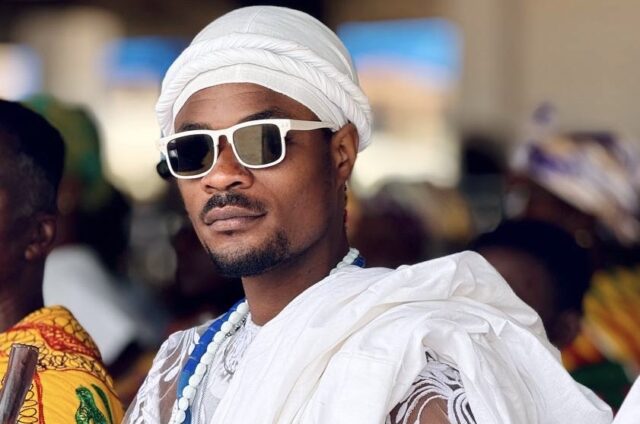
His Eminence Nuumo Tsawe Otrome II, Tsawe Wulormor of Kpone, has rejected claims that pollution has displaced deities believed to inhabit Ghana’s rivers, lagoons and seas.
Speaking to arts and culture journalist Kwame Dadzie on Joy FM’s Showbiz A-Z, the traditional priest maintained that, according to Ghanaian cosmology, deities do not leave their places of abode regardless of the level of human activity or environmental degradation.
“One thing we are supposed to understand is that from the cosmology of our traditional people, wherever a deity comes to stay becomes its existing point and it stays there for a lifetime. It doesn’t die,” he intimated.
Nuumo Tsawe Otrome II described the sea as one of the greatest deities in Ghana’s traditional belief system, saying it is spiritually connected to many other deities.
He said the sea was created to cleanse spiritual impurity rather than serve as a dumping ground for physical waste such as plastics, rubber and other pollutants.
“The sea was created to wipe away spiritual dirt, not the physical waste that people dump into it. When you throw those things into the sea, it brings them back because that is not its purpose,” he stated.
The Tsawe Wulormor blamed the growing pollution of beaches and other water bodies on the erosion of traditional values and a decline in cultural responsibility.
“Man is nature and nature is man. Nature depends on man and man depends on nature,” he said, adding that sacred lands, forests and groves once protected by communities have gradually been encroached upon and desecrated.
He also dismissed the notion that traditional deities exist solely to punish people, adding that they are patient and tolerant.
However, he warned that continued disrespect for nature and sacred sites could eventually have consequences, including devastating floods, which he believes serve as reminders that the deities remain present despite widespread pollution.
“But looking at where we are now and what we have become, everyone thinks our deities are gone and that the laws are now in our hands because we have the money to buy these things. The deities will simply be somewhere relaxing and watching because they know a time is coming. When that time comes, you begin to understand,” he said.
His comments come at a time when Ghana continues to grapple with the devastating effects of illegal mining, deforestation, pollution of rivers and other water bodies, as well as recurrent flooding in several parts of the country. These environmental challenges have fuelled public debate about the nation’s stewardship of its natural resources and the cultural values that once promoted their protection.
Latest Stories
-
Black Stars: Seven years of decline while hashtagging love
9 minutes -
Today’s front pages: Thursday, October 1, 2026
10 minutes -
Gov’t to suspend GH¢1 D-Levy on diesel for October and November
42 minutes -
Fire destroys belongings in Akweteyman apartment
1 hour -
Baffour Awuah to turn himself in to EOCO today – JoyNews sources
1 hour -
Government identifies payment discrepancy holding up teachers’ strike resolution
2 hours -
BoG signals no FX intermediation for October as GoldBod plans $1bn support for banks
2 hours -
When share ownership becomes personal: The African mindset of the Dangote IPO
2 hours -
Why MFWA Legal Fund matters to Ghana’s democracy
2 hours -
Fuel prices to rise from October 1; diesel could hit GH¢19.60 – COMAC
2 hours -
Parliament must investigate how 3.9 tonnes of cocaine left Ghana undetected – Samuel Jinapor
2 hours -
Government pledges to pay striking teachers as payment dispute is resolved
2 hours -
Government cannot investigate drug exports under its own watch – Abu Jinapor
2 hours -
Government extends GH¢2 diesel subsidy for two more months
2 hours -
GTEC flags over 100 tertiary institutions as unrecognised
2 hours