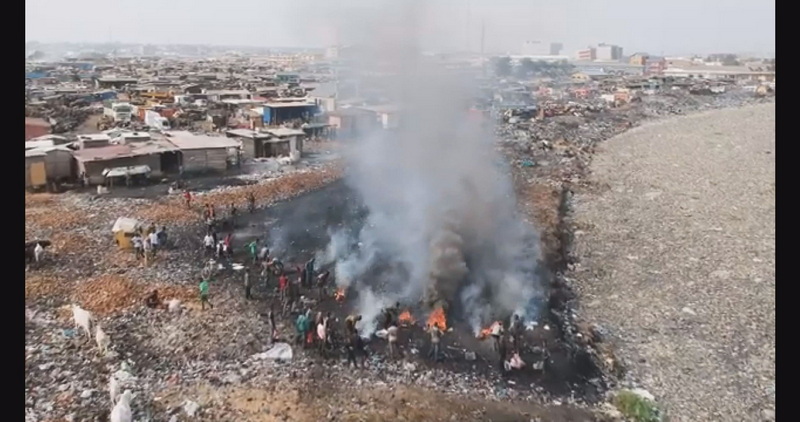
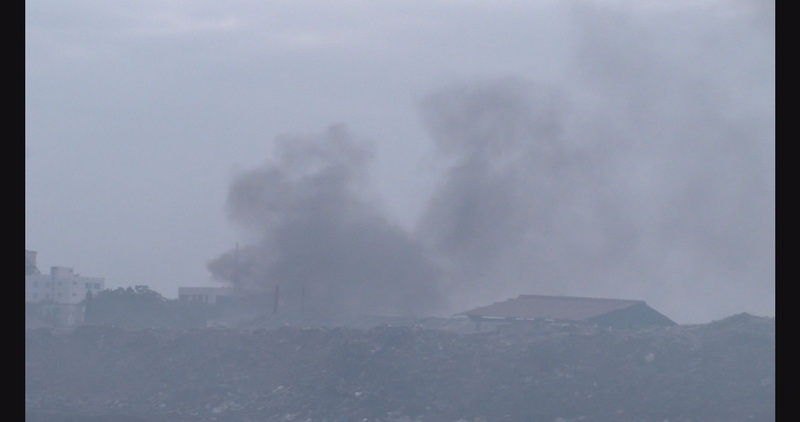
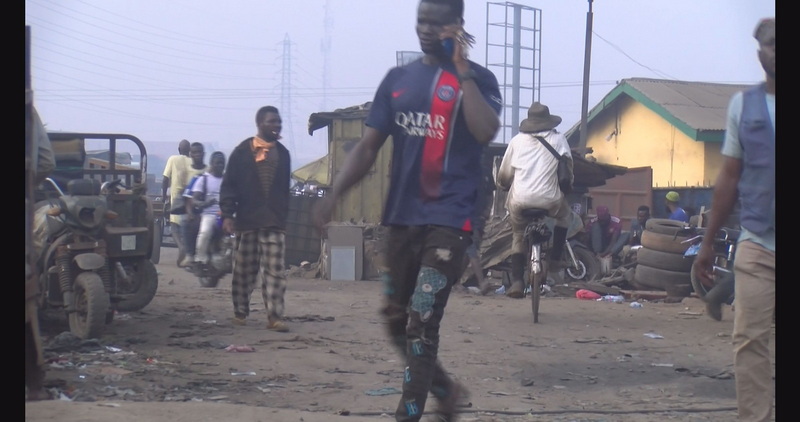
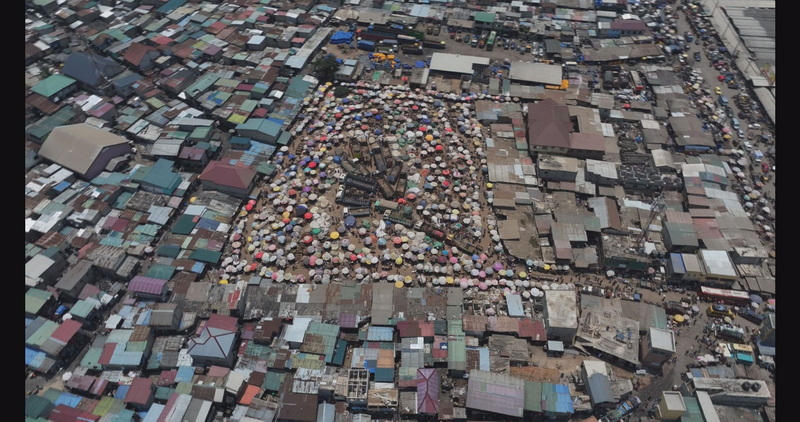
For decades, thick black smoke rising from the burning of discarded electronics at Agbogbloshie has symbolised Ghana's growing electronic waste crisis. Now, scientists say the pollution may be extending beyond the scrapyard and into the country's food chain, with studies suggesting that toxic substances released during informal e-waste recycling are contaminating both human breast milk and livestock milk consumed by surrounding communities.
Evidence from researchers at the University of Ghana, together with findings cited by UNICEF and other environmental health experts, points to growing concerns that heavy metals and other hazardous pollutants released from informal e-waste burning are accumulating in the environment and potentially entering food consumed by mothers, infants and nearby residents.
Health experts warn that children are particularly vulnerable because exposure to toxic metals such as lead and mercury can affect brain development, learning ability and long-term health.
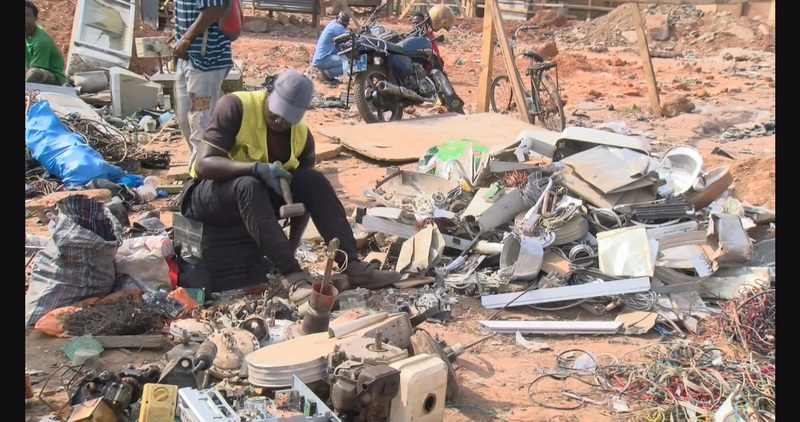
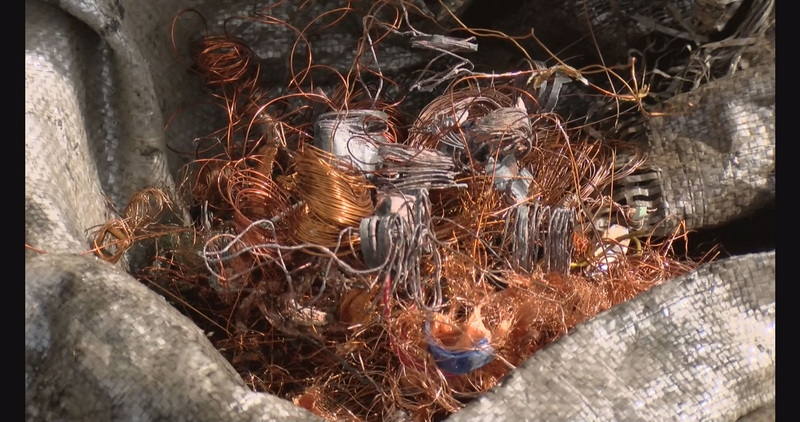
Agbogbloshie has long been recognised as one of West Africa's major informal electronic waste recycling hubs, where discarded televisions, computers, refrigerators and electrical cables are dismantled to recover valuable metals. Much of the recovery involves open burning, a process that releases hazardous pollutants, including lead, mercury, cadmium, arsenic and persistent organic pollutants, into the air, soil and water. Researchers say these contaminants can move through the environment and potentially enter the human food chain.
Researchers from the University of Ghana and other environmental health institutions say growing scientific evidence suggests that pollutants generated from informal electronic waste recycling at Agbogbloshie may be contaminating food consumed by nearby communities.
Dr John Arko-Mensah, Senior Lecturer at the Department of Biological, Environmental and Occupational Health Sciences at the University of Ghana School of Public Health, said chemicals released during the open burning of electronic waste pose significant health risks.
"When materials are burned at Agbogbloshie, the chemicals in the emissions have many health implications."
According to Dr Arko-Mensah, prolonged exposure to some of these chemicals has been associated with serious health conditions, including neurological disorders, cardiovascular disease, certain cancers and other chronic illnesses.
He referenced earlier studies that detected elevated levels of heavy metals, including lead, mercury, arsenic and nickel, in breast milk samples collected from women living around Agbogbloshie. Researchers said the findings suggest pollutants released during e-waste recycling may be entering the food chain.
Health Specialist with UNICEF, Dr Rev. Emmanuel Kyeremanteng, said children living or working around electronic waste sites face heightened risks because their developing bodies absorb toxic metals more readily than adults.
He said exposure to lead and other hazardous substances can contribute to neurological damage, developmental disorders, respiratory illnesses and long-term organ damage.
Dr Kyeremanteng encouraged parents to improve children's nutrition by providing foods rich in vitamins and minerals, including leafy vegetables such as kontomire, garden eggs and citrus fruits, which can help reduce the body's absorption of lead.
UNICEF estimates that more than 1.7 million children in Ghana have blood lead levels above 5 micrograms per decilitre, the threshold regarded internationally as a public health concern. The estimate is based on modelling and research rather than routine Ghana Health Service surveillance data.
Recent environmental studies have also raised concerns about contamination of livestock grazing near Agbogbloshie.
According to Dr Arko-Mensah, milk samples collected from cattle grazing around the area showed elevated concentrations of heavy metals, while additional assessments reported the presence of persistent organic pollutants, including dioxins and polychlorinated biphenyls (PCBs), chemicals linked to cancer, reproductive disorders and immune system damage.
Dr Arko-Mensah said preliminary research involving cattle and egrets around the site detected traces of heavy metals, underscoring the need for more comprehensive investigations.
He called for stronger environmental regulations and continued scientific monitoring to reduce public exposure to hazardous pollutants.
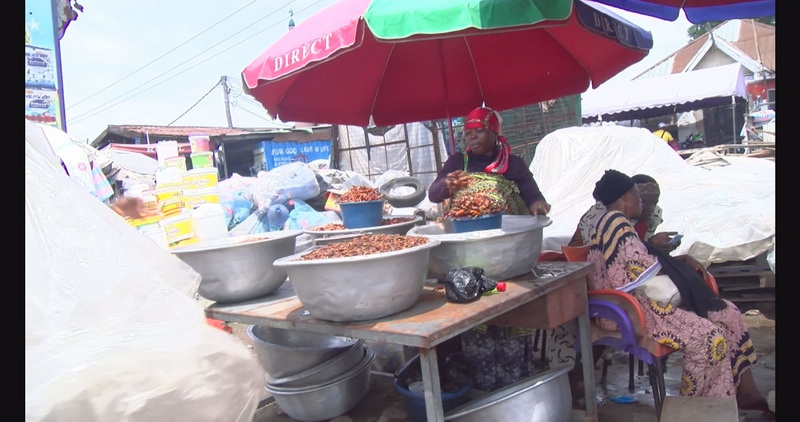
For traders who work daily at Agbogbloshie Market, however, the health concerns extend beyond laboratory findings.
A 32-year-old pepper seller, Rama Alhasan from Bawku, said she spent years breastfeeding her child while working near areas where electronic waste is frequently burned.
"The smoke enters my nose and burns like someone has poured pepper inside."
She said she has developed a persistent cough, headaches and recurring colds, while her two-year-old child frequently suffers from respiratory illnesses.
Another trader, 23-year-old Rebecca Tetteh Narh, who inherited her late mother's pepper business, said she is aware of the smoke but believes wearing a nose mask may help reduce exposure.
Deputy Director of the Environmental Protection Agency, Michael Ayamga, said the Authority has seized electronic waste involved in illegal activities and that some affected individuals have challenged the enforcement actions in court.
Meanwhile, the Ghana Health Service, UNICEF and Pure Earth have completed one of Ghana's largest blood lead level surveys, testing 3,227 children aged between one and five years across the country's ecological zones to establish a national baseline for childhood lead exposure.
Environmental health experts say the findings from ongoing research reinforce the urgent need for stronger enforcement of environmental regulations, safer electronic waste recycling practices and expanded public health surveillance to protect vulnerable communities.
This story was a collaboration with New Narratives, with funding from the Clean Air Fund. The donor had no role in the content of the story.
DISCLAIMER: The Views, Comments, Opinions, Contributions and Statements made by Readers and Contributors on this platform do not necessarily represent the views or policy of Multimedia Group Limited.
DISCLAIMER: The Views, Comments, Opinions, Contributions and Statements made by Readers and Contributors on this platform do not necessarily represent the views or policy of Multimedia Group Limited.