

Audio By Carbonatix
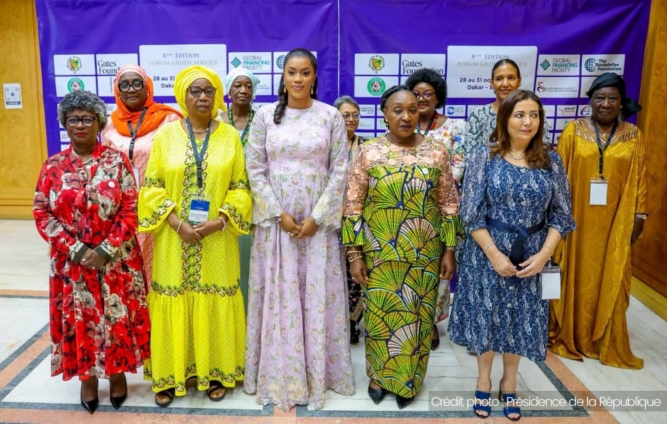
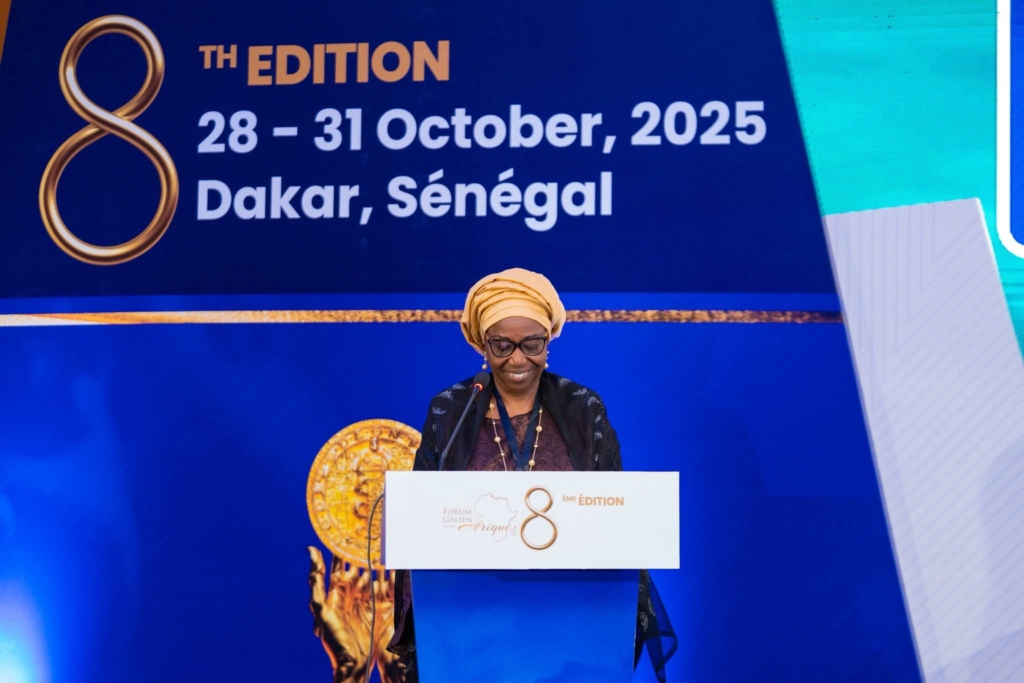
African leaders, researchers and civil society actors have called for urgent action to prioritise women’s empowerment and strengthen literacy in rural areas as part of efforts to achieve health sovereignty on the continent. The call was made in Dakar, Senegal, at the closing of the 8th Forum and Prix Galien Africa, which culminated in the adoption of the Dakar Declaration on Health Sovereignty in Africa.

The Declaration highlights the need to place youth and women at the heart of health transformation, recognizing their roles as drivers of innovation and social change. Among the key commitments is the creation of incubators and dedicated funds to support health start-ups led by women and young people, as well as the launch of mentorship and scholarship programs to nurture the next generation of African researchers and entrepreneurs in health.
The forum brought together political leaders, researchers, innovators, and development partners, who jointly expressed concern over Africa’s heavy health burden, bearing 24% of global diseases with less than 5% of global health spending. Participants also decried the continent’s dependency on imported medicines and vaccines, with over 70% of essential drugs and up to 99% of vaccines sourced from outside Africa.

According to the Declaration, health sovereignty based on Africa’s capacity to design and manage its own health policies and systems, is a “strategic imperative” for sustainable development, economic stability, and security. It calls for increased investment in research, local pharmaceutical production, and technological innovation, backed by stronger governance and regional cooperation.
The Dakar Declaration outlines five key strategic priorities, including:
Accelerating local production and innovation, mobilizing sustainable and innovative health financing, strengthening governance, regulation, and human capacity, ensuring equity and universal access to healthcare, and placing youth and women at the center of Africa’s health transformation.

It further urges African Union member states to adopt the Declaration as a roadmap for national and continental policies and to align development funding with Africa’s health sovereignty agenda. International partners and the private sector are also encouraged to support these goals through ethical investment and technology transfer.
The declaration concludes with a commitment to make the Galien Forum Africa an annual accountability platform to track progress and share results, with the next review scheduled for 2026.
Latest Stories
-
GMTF Administrator hails NHIA boss on first anniversary
35 minutes -
Today’s Front pages: Friday, September 4, 2026
48 minutes -
From Kantamanto to the TEDx Stage: How waste became innovation
49 minutes -
MMDCEs charged to ensure Landing Beach Committees do not sell premix fuel beyond approved prices
2 hours -
The Inconvenient Truth: Democracy does not fail in The Chamber, it fails in the Committee Room
2 hours -
There is absolutely nothing wrong with what the Chief Justice said
2 hours -
App launched to help Ghanaians verify prospective partners’ marital status before marriage
2 hours -
‘I have gone through a lot these past 2 days’ – A-Plus reveals after New Winneba violence
2 hours -
DBG takes GH¢2.5bn development funding beyond Accra as it pushes industrial transformation
2 hours -
Vice President Jane Opoku-Agyemang calls for accurate teaching of slavery history in schools
2 hours -
Ghana has duty to preserve slave-trade sites and tell their full story – Vice President
2 hours -
West Africa can be self-sufficient in rice production – John Dumelo
3 hours -
Over 300 arrested over extremist recruitment attempts along northern border – Agalga
3 hours -
Housing Minister seeks shorter construction period for Kaneshie–First Light Road works
3 hours -
Ghana cannot afford complacency over extremist threats – Agalga
3 hours