

Audio By Carbonatix
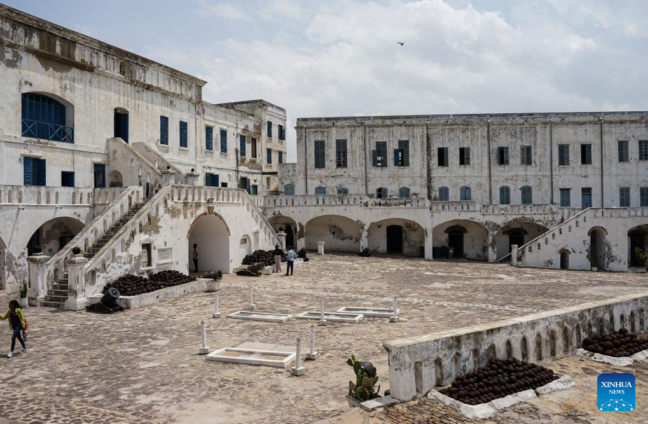
Vice President Professor Naana Jane Opoku-Agyemang says Ghana has a responsibility to protect and “honestly interpret” its historic forts, castles and other sites linked to the transatlantic slave trade.
She says preserving the physical evidence of the trade is critical to ensuring that future generations understand the scale of the injustice and the experiences of Africans who suffered, resisted and survived it.
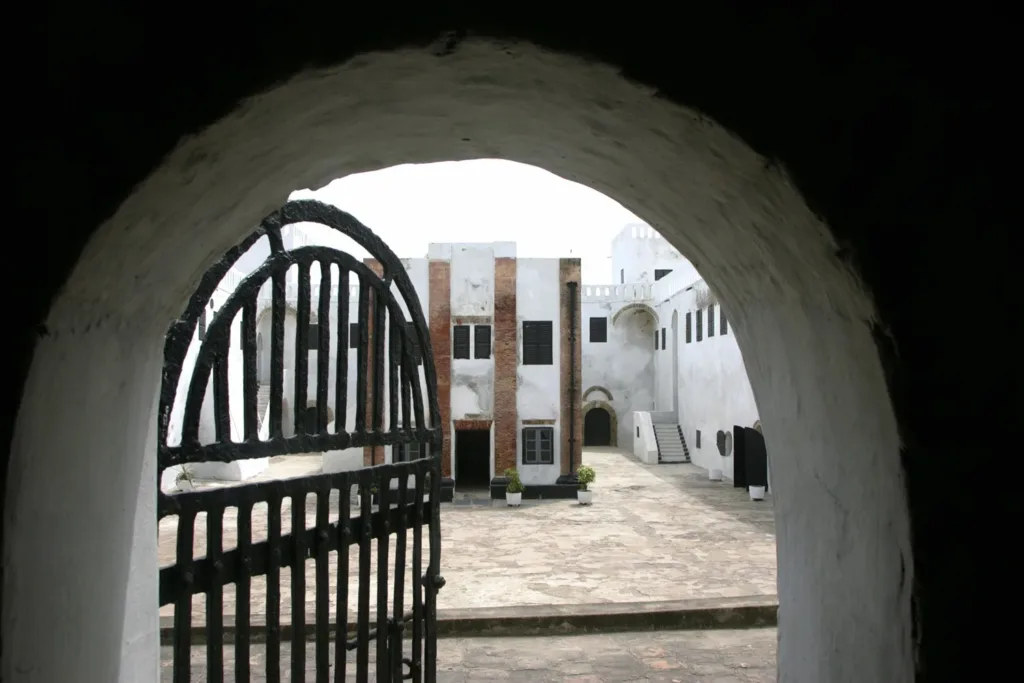
“Cape Coast Castle and other forts, castles and sites must be fully preserved and honestly interpreted,” Prof. Opoku-Agyemang said.
She was speaking at a ceremony in Cape Coast following the adoption of UN General Assembly Resolution 82/50, which recognised the trafficking of enslaved Africans and the system of racialised chattel enslavement of Africans as the gravest crime against humanity.
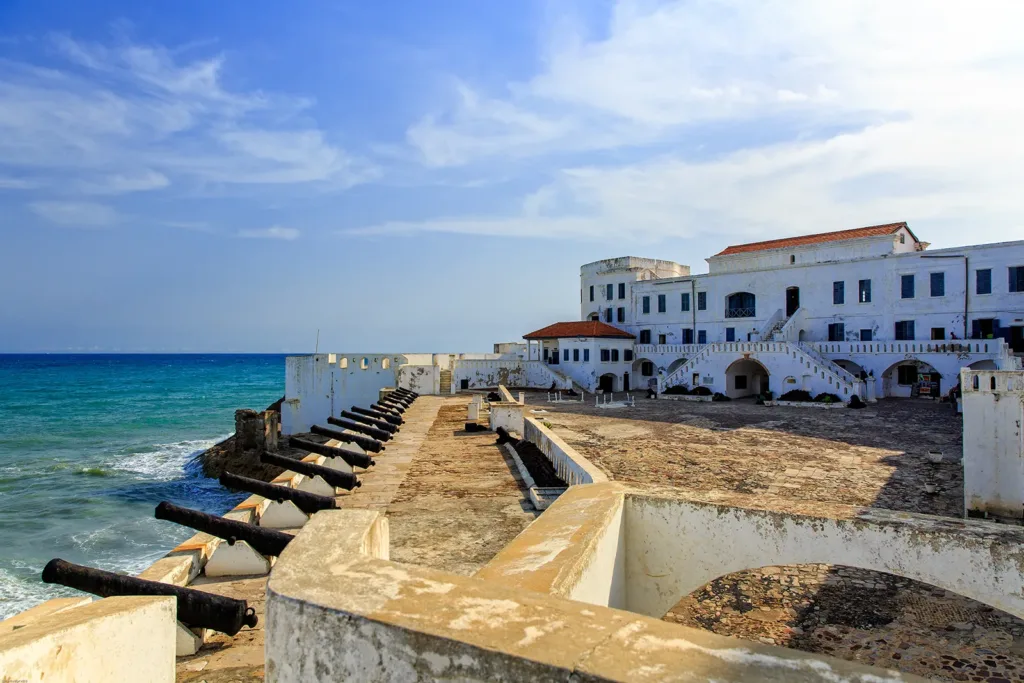
Prof. Opoku-Agyemang said Ghana is the custodian of some of the most significant surviving sites associated with the transatlantic slave trade.
But she said the responsibility goes beyond simply maintaining the structures. The history attached to those locations, she said, must be accurately preserved and communicated.
“Our responsibility is equally important here at home,” she stressed.
The Vice President also drew attention to lesser-known locations across Ghana that preserve memories of resistance to enslavement.
She cited Assin Manso, Sankana and Golu, where she said evidence of the history survives in written records, architecture, healing processes, oral accounts and the landscape.
She recalled encountering caves where communities sought protection from slave raiders and defensive walls constructed to keep them out. According to her, those sites tell an important part of the story that is often overlooked.
“Africans were more than the people to whom enslavement happened. They also resisted capture, defended their communities, escaped, organized and fought to preserve their freedom,” she said.
Prof. Opoku-Agyemang said the preservation of these sites must therefore capture both the suffering caused by the slave trade and the resistance of African communities.
She also linked the preservation of the sites to the broader reparatory justice agenda, saying historical understanding remains essential to strengthening ties between Africa and the diaspora.
Latest Stories
-
Dr Kwabena Bempah Tandoh engages Mim market traders as Parliamentary campaign gathers momentum
3 minutes -
PURC keeps electricity and water tariffs unchanged for fourth quarter of 2026
10 minutes -
Ejisu Police release parents, arrest caretaker over missing five-month-old baby from Asafo Market
23 minutes -
AfCFTA needs efficient payment systems, borders and infrastructure to boost intra-African trade – Wamkele Mene
31 minutes -
Kow Essuman confident NPP will reclaim Ablekuma West ‘with a huge margin’
34 minutes -
Today’s front pages: Thursday, September 24, 2026
39 minutes -
EU launches ‘EU for a Secure Ghana’ project to tackle terrorism, organised crime and arms trafficking
39 minutes -
GPL 2026/27: Dreams denied first win as Medeama snatch dramatic late draw
48 minutes -
GFA petitions CAF to intervene over tickets for 500 supporters in Bouake
52 minutes -
PHOTOS: Black Stars train at Stade de la Paix ahead of Cote d’Ivoire clash
56 minutes -
Bright Ofori writes: Who should hold Africa’s at least two permanent seats on a reformed UN Security council?
1 hour -
BoG set to announce new policy rate amid Middle East pressures
1 hour -
Alan Kyerematen warns Ghana’s youthful population could become economic burden without jobs
1 hour -
Fund Accra-Kumasi Expressway with private capital, not state funds – Alan Kyerematen
1 hour -
Climate finance bureaucracy hurting vulnerable countries – Sierra Leone Minority Leader
1 hour