

Audio By Carbonatix
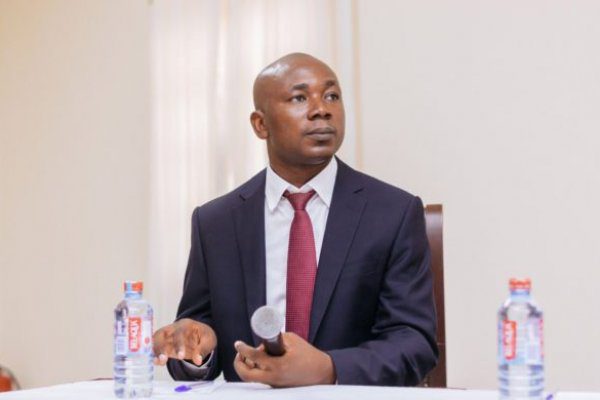
Economist and professor of finance at the University of Ghana, Godfred Bokpin, has backed the newly introduced GH¢1 levy on petroleum products, describing it as a necessary but temporary step to help stabilise Ghana’s struggling energy sector.
Speaking on Joy FM’s Super Morning Show, Prof. Bokpin explained that while the levy may not be popular, it is a practical move given the country’s current economic conditions and the ongoing reforms under the IMF-supported programme.
“I think I have said it before that there are painful decisions ahead of us, especially in the energy sector,” he said. “If you look at the 2025 budget and the strict expenditure cuts, and then again the many reforms under the IMF-supported programme, we face a considerable challenge navigating a path towards progressive spending without undermining the stability we are seeing right now.”
He noted that the recent appreciation of the cedi has allowed the government to introduce the levy without significantly affecting fuel prices.
“Under the circumstance, I have a soft side towards this imposition, largely also because of the gains that have been conferred especially in the ex-pump pricing formula given the strengthening of the local currency. So to that extent, we can make a case for this levy,” he said.
However, he stressed that the levy should not be permanent. “My considered view is that it is not supposed to be a permanent levy. It should be possible for the government to come back to the people of Ghana, to Parliament, and say that we’ve seen the currency weakening, we have done the analysis. The pass-through will be felt by consumers and therefore we want to take this out.”
Prof. Bokpin also warned that the recent currency gains are not rooted in long-term structural changes. “Once the strengthening of the currency is not based on structural and productivity transformation, we will always have to be very careful how the future looks like,” he said.
He added that some reforms are already in motion under the IMF programme but may take time to show results. In the meantime, the levy could help assure investors of Ghana’s ability to meet its obligations.
“We needed something urgently to also assure our investors that we have a repayment capacity,” he said. “Even if you are asking for private sector participation in the restructuring of the energy sector, we have to be able to assure investors that our repayment capacity is strong for them to be able to take on that risk on their balance sheet.”
Read also: Parliament approves new GH¢1 fuel levy after minority walkout
Latest Stories
-
NC-PTAs welcomes end of teachers’ strike, urges parents to prepare children for Monday
6 minutes -
Government procures over 2,000 transformers as Ghana’s electricity access hits 89.13% – Energy Minister
32 minutes -
UTAG-UG threatens strike on October 19 over unpaid allowance
41 minutes -
Let The Constitution direct Chieftaincy to deliver “All Development Is Local”
2 hours -
John Jinapor outlines renewable energy, nuclear power priorities for 2027
2 hours -
Ghana explores centre of excellence for hearing, communication and cochlear implant care
3 hours -
Schizophrenia-related disorders lead mental health cases recorded in Ghana
4 hours -
Dutch authorities enlist Ghana in hunt for fugitive drug lord Bolle Jos
4 hours -
Ghana housing finance conference adopts communiqué to improve affordable housing access
8 hours -
Special Initiatives Minister urges Wa Technical Institute to enrol more girls as EU-backed solar training lab opens
9 hours -
In the matter of my first year at the Bar
9 hours -
ActionAid Ghana calls for an end to child marriage, greater investment in girls’ rights
9 hours -
Newsfile to tackle World Cup visa scandal, beach demolitions, education strikes, BRICS bid
10 hours -
UK-Ghana Trade & Investment Summit: Trade Resource Centre to help businesses maximise UK-Ghana trade opportunities
10 hours -
Embassy of Denmark celebrates World Maritime Day
10 hours