

Audio By Carbonatix
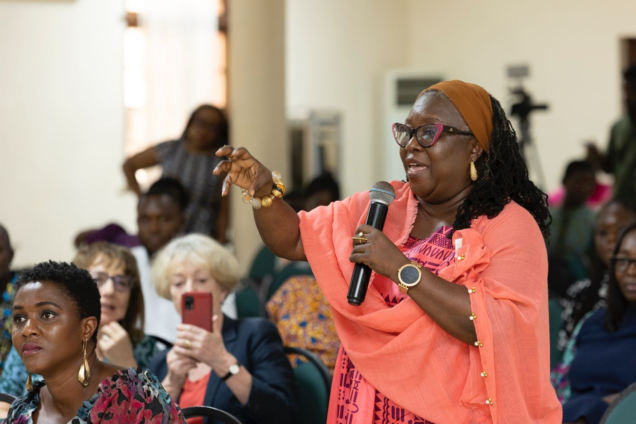
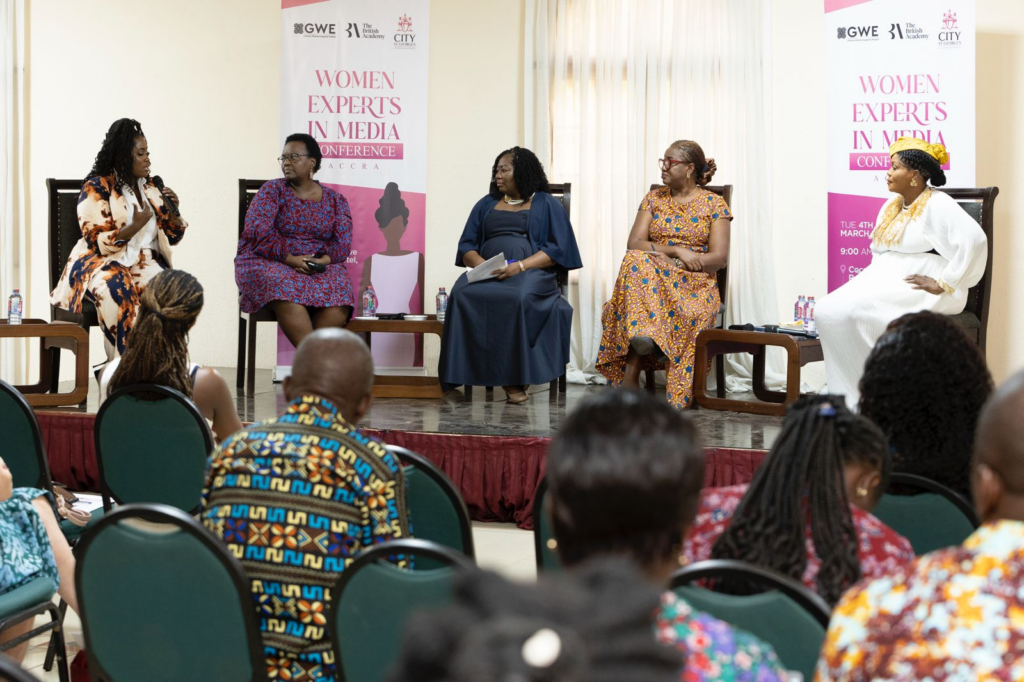
Communication expert Professor Audrey Gadzekpo has urged media houses to adopt deliberate strategies to amplify women's voices and expertise in their coverage, reportage, and programming.
Delivering the keynote address at the Ghana Women Experts in Media Conference in Accra, she stated that the underrepresentation of women remains a “global issue.”
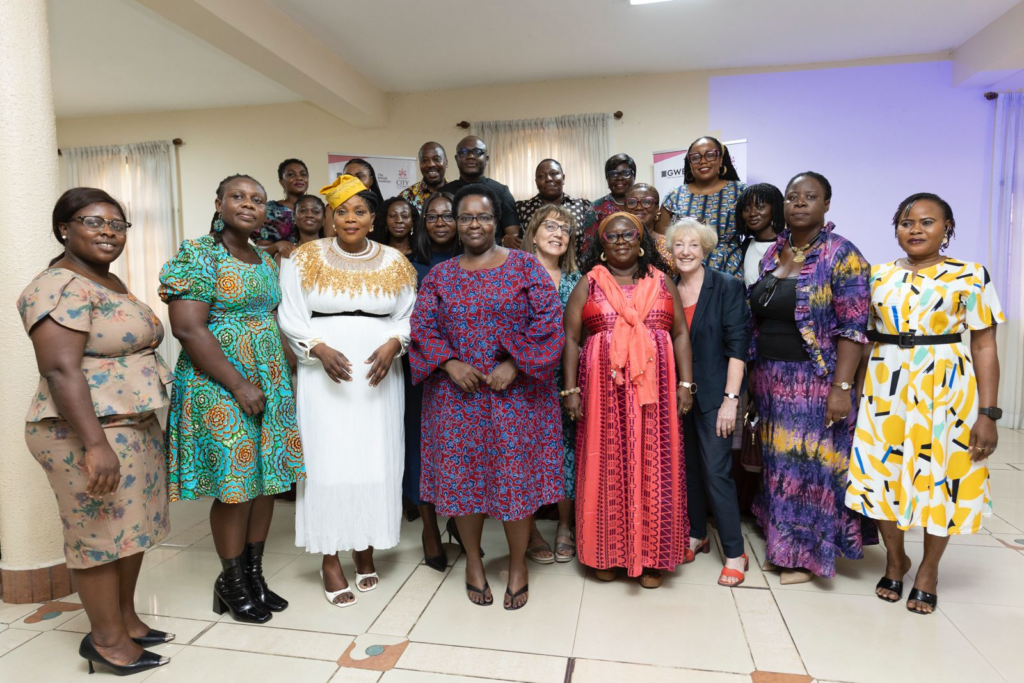
She noted that Ghanaian media is often “complicit in gender-discriminatory practices, whether intentionally or unintentionally.”
Prof Gadzekpo highlighted how traditional media, despite the rise of digital platforms, continues to wield significant influence in shaping public opinion and policy.
She argued that neglecting women’s voices not only reinforces harmful stereotypes but also hinders broader participation in governance and leadership.
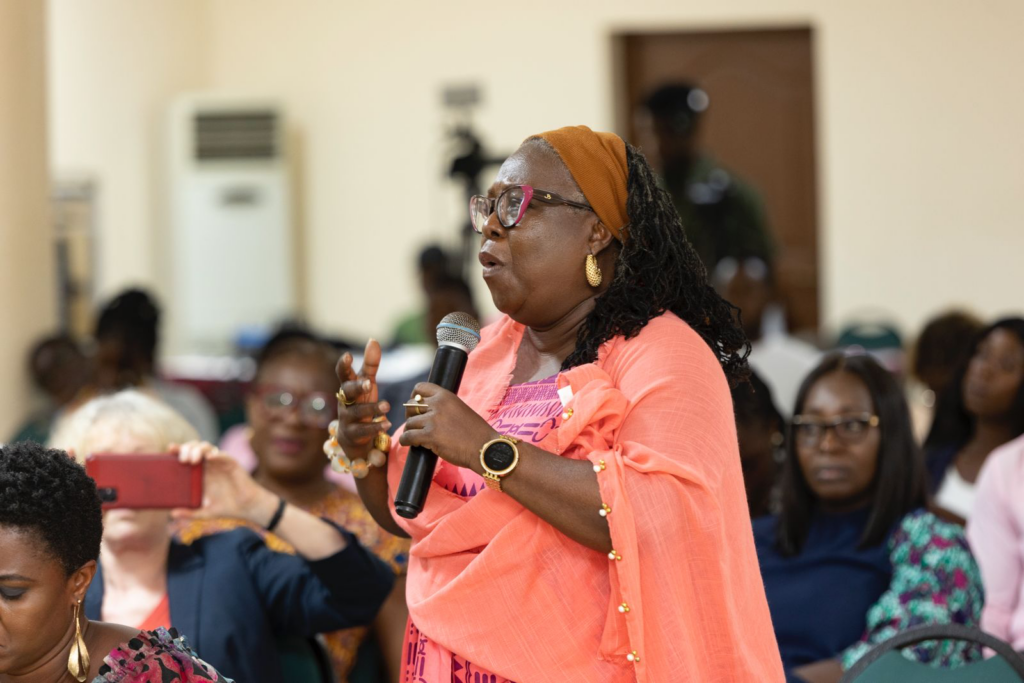
“Traditional media remains a cornerstone of public discourse and societal influence,” she stated.
The academic continued “Being featured as an expert in the media validates a woman’s expertise and can open doors to further career opportunities.”
Citing recent data on Ghana’s media landscape, Professor Gadzekpo pointed out that while more women are entering the media industry, relatively few rise to top management positions.
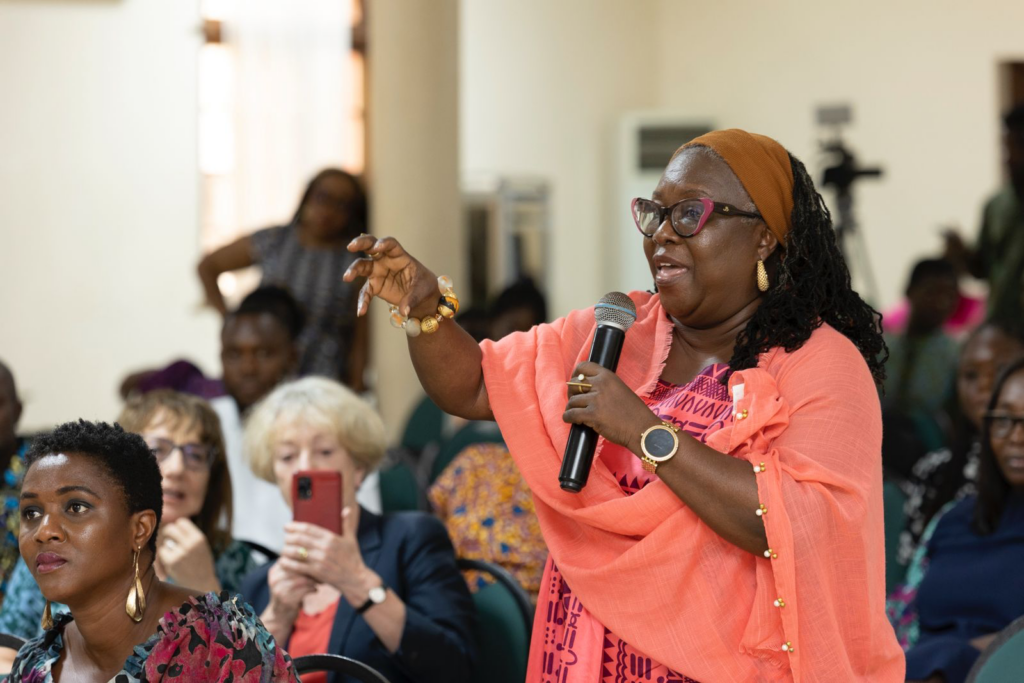
Referencing the Ghana Women Experts in Media Report 2024, she revealed that “less than 30% [of women] are in management roles,” with an even smaller percentage in senior leadership positions.
She stressed the need for proactive measures by media organisations: “It’s about ensuring women have access to multiple credible platforms for influence.
Research like the Ghana Women Experts [in Media Report] provides concrete data that can be used for advocacy purposes to drive systemic change.”
The report on women’s representation in Ghana’s media found that only 14% of experts interviewed in 2024 were women, with some media houses recording as low as 3% female expert representation.
It also revealed that women make up just 24% of presenters, while male presenters continue to receive significantly more airtime than their female counterparts.
The report was compiled by the Ghana Women Experts project with support from the British Academy and City, University of London.
Latest Stories
-
President Mahama ends Resetting Ghana tour of Ahafo Region
13 minutes -
African negotiators seek delivery of climate commitments at COP31
14 minutes -
BoG develops AI rules for financial sector
16 minutes -
‘Big Push’: Government assures contractors of prompt payments
20 minutes -
Court fines miner for breaking into gold buying shop
31 minutes -
Tarkwa court jails labourer for three years over GH¢123,000 theft
1 hour -
GAEC must retain nuclear scientists for Ghana’s nuclear ambitions – Minister
2 hours -
Man reportedly mistaken for game and shot by hunter dead in forest
2 hours -
19-year-old mason jailed 15 years for defiling seven-year-old pupil
2 hours -
Ghana’s banking sector assets rise 20.47% to GH¢500.2bn – BoG Governor
2 hours -
22 injured as Sprinter bus overturns at Sege after tyre burst
2 hours -
UN housing expert urges Ghana to strengthen Rent Control Department amid housing affordability concerns
2 hours -
Delta-BCI partnership reaches 166,000 people with breast cancer education
2 hours -
Power restoration fault suspected in Kumasi Central Market fire
8 hours -
The 7-foot giant of Ngleshie Amanfro: Seven-foot Ghanaian Ephraim Saawa dreams of joining the national basketball team
8 hours