

Audio By Carbonatix
Stigma and discrimination related to disabilities and mental health are widespread in the country, lowering the self-esteem of persons with disabilities, a new study has indicated.
The study also revealed that stigma and discrimination being experienced by persons with disabilities and mental health were being perpetuated at home, workplaces, public places, and places of worship.
These lived experiences of stigma are reported to have had profound effects on the self-esteem and confidence of people with disabilities.
Persons with disabilities, who participated in the study, that formed part of the Somubi Dwumadzie project are reported to have indicated that the experience of stigma and discrimination had made them feel unwanted, shy and isolated, and hesitant to attend large gatherings or meetings.
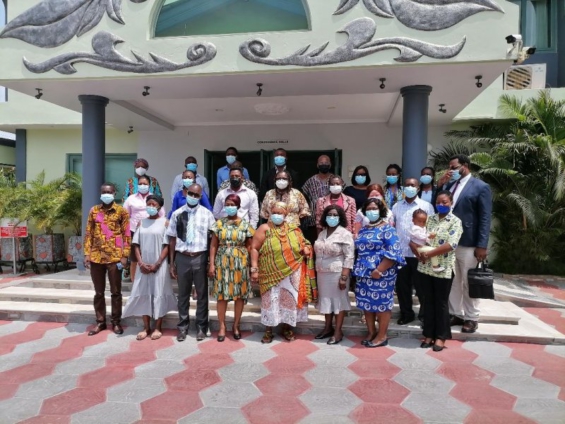
For instance, one of the respondents, Razak Abdul, who spoke at the launching of the Ghana Somubi Dwumadie project in Accra on Thursday, said due to stigma, he had stopped going to the Mosque for almost 10 years now, except on festive occasions.
Sharing his experience on stigma as a visually impaired person, Mr Abdul, who has a degree in Education from the University of Cape Coast, said: “for me, I go to the Mosque only on special occasions. And even with that one, I go with an adult; else I will be treated like a beggar.”
He said previously when he used to go to the mosque for regular prayers, each time his fellow worshippers saw him, they wanted to give him alms, and when he refused it, some would openly remark, “but aren’t you a blind man.”
Mr Abdul is now gainfully employed as a Social worker at the Ayawaso East Municipal Assembly, having been refused employment as a teacher because of his blindness, even though he did his national service as a teacher.
The Somubi Dwumadie, a four-year project funded by the UK Government through the UK Aid, is helping to ensure that the health and well-being of persons with disabilities and mental health conditions were improved.
It is also expected to enable persons with disabilities to be engaged, empowered, and enjoy improved social and economic outcomes and rights.
Therefore, the formative study was undertaken in November 2020 in communities within four regions, namely Upper East, Northern, Western and Greater Accra regions, Mr Joseph Mensah, Civil Society Grants, and Social Movement Technical Adviser of the Somubi Dwumadie Project explained.
He said the study revealed drivers of such stigma and discrimination against persons with disabilities and mental health, including the use of negative language, limited understanding of mental health, religion, culture, and the poor implementation and enforcement of existing laws and policies on disability mental health.
Consequently, the Hope for Future Generations (HFFG) and the PsykForum, two national non-governmental organisations, under a consortium, have been awarded a grant from the Ghana Somubi Dwumadie project to promote mental health and disability inclusion in Ghana.
Mrs Cecilia Senoo, Executive Director of the HFFG, said within the next three years, they would work to ensure that stigma meted to persons with disabilities were addressed and ensure that such persons were empowered to do away with self-stigma and discrimination.
They would also work to ensure that policies put in place in the country well addressed the needs, including the psychological needs of persons with disabilities.
Mrs Senoo said the project would be implemented in 18 districts within the Greater Accra, Central, North East and Savannah regions, ensuring a positive culture of support to allow people with disabilities and mental health conditions to reach their full potential.
It would also increase the use of positive disability and mental health language among community stakeholders and the media and improve the enforcement of Ghana’s Disability and Mental Health policies and laws by duty bearers.
Latest Stories
-
Let The Constitution direct Chieftaincy to deliver “All Development Is Local”
54 minutes -
John Jinapor outlines renewable energy, nuclear power priorities for 2027
1 hour -
Ghana explores centre of excellence for hearing, communication and cochlear implant care
2 hours -
Schizophrenia-related disorders lead mental health cases recorded in Ghana
3 hours -
Dutch authorities enlist Ghana in hunt for fugitive drug lord Bolle Jos
3 hours -
Ghana housing finance conference adopts communiqué to improve affordable housing access
7 hours -
Special Initiatives Minister urges Wa Technical Institute to enrol more girls as EU-backed solar training lab opens
8 hours -
In the matter of my first year at the Bar
8 hours -
ActionAid Ghana calls for an end to child marriage, greater investment in girls’ rights
8 hours -
Newsfile to tackle World Cup visa scandal, beach demolitions, education strikes, BRICS bid
9 hours -
UK-Ghana Trade & Investment Summit: Trade Resource Centre to help businesses maximise UK-Ghana trade opportunities
9 hours -
Embassy of Denmark celebrates World Maritime Day
9 hours -
Linking LEAP to productive inclusion could cut extreme poverty by 2030 – UNICEF
10 hours -
Trade Ministry backs use of creative arts to rehabilitate prison inmates
10 hours -
Negotiations with government to continue despite strike suspension – GNAT
10 hours