

Audio By Carbonatix
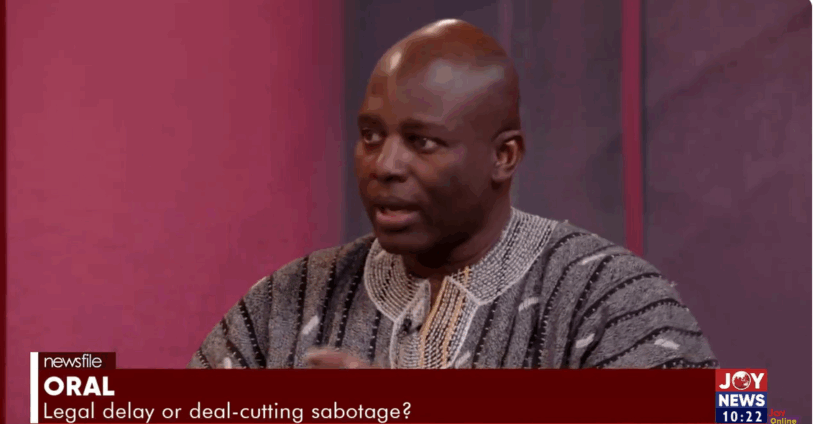
A fellow with the Ghana Centre for Democratic Development (CDD-Ghana), Dr John Osae-Kwapong, says the public’s frustration over the delay in prosecuting alleged corruption cases under the previous administration is justified, and largely a result of the current government’s own political promises.
Speaking on JoyNews’ Newsfile on Saturday, October 11, Dr Osae-Kwapong said the government is now bearing the consequences of campaign assurances it made to Ghanaians while in opposition, promises that created the expectation of swift prosecutions once in power.
“The public is simply demanding what the NDC promised while in opposition, even though they were fully aware that prosecutions are not cast in stone and must follow due process,” he stated.
According to him, the fight against corruption has both legal and political dimensions, but the current administration appears to have underestimated the latter.
“In the fight against corruption, the public doesn’t see due process. Unless you’re following a case closely, reading news about adjournments and filings, nobody sees that. But everybody sees the politics of the fight against corruption, the statements you make, the assurances you give Ghanaians. That’s where you win or lose the public’s confidence,” he explained.
Dr Osae-Kwapong noted that former President Akufo-Addo, during his tenure, was perceived to have lost the anti-corruption battle because he took “an extremely legalistic stand,” insisting on due process, a stance that did not resonate with the general public’s expectations of swift justice.
He described it as ironic that some of the same individuals who once confidently predicted who would go to jail are now urging patience and respect for legal procedures.
“So isn’t it intriguing that now you have some of the voices that were so certain of who was going to go to jail saying, ‘We have to respect the process, we have to allow institutions to work’?” he remarked.
Dr Osae-Kwapong stressed that while the government may now be emphasising due process, its earlier rhetoric did not prepare the public for the slow and complex nature of prosecutions.
“When these same voices now talk about respecting the process, you can understand why the public is justifiably frustrated, because in their engagements with the public, nobody ever said these things take time, that the wheels of justice grind slowly,” he observed.
He insisted the government’s current dilemma is a lesson in political communication; that managing expectations is as crucial as delivering justice itself.
“The public was given assurances,” he said. “Nobody said it could take forever or that it would be this difficult. So yes, the anger is justified.”
Latest Stories
-
Vibes The Movie: Big Ghun’s Ghanaian film earns five nominations at 2026 REFFA
10 minutes -
MamaCare CEO warns unresolved conflicts among health workers could undermine maternal and neonatal care
34 minutes -
Health professionals urged to translate medical knowledge into practice to save mothers
41 minutes -
Conflicts among care providers linked to maternal, neonatal deaths – Expert
2 hours -
GIS marks 10th TIME conference, champions improved teaching practices
2 hours -
BRICS Or Balance? What Ghana’s bid really means
3 hours -
GPRTU wants full TRAFFITECH-GH implementation to start in 2027
3 hours -
Mahama announces plans to import electric wheelchairs for PWDs
3 hours -
KGL U17 Colts 2026: Western beat Prempeh Elite Academy to set up final final with Greater Accra Region
3 hours -
Late Solanke strike salvages 10-man Spurs draw at Man United
4 hours -
Gender Ministry to monitor welfare of Nana Akua Addo’s children amid domestic violence case
4 hours -
Benedict Okyere Yeboah: Ghana’s football problem goes beyond sacking a coach
4 hours -
GPL 2026/27: Darkwah Wiafe’s winner sees All Blacks beat Kotoko
4 hours -
ITF World Tour : Patel Wins Boys’ Singles Final at J100 Accra
4 hours -
Ghana must pursue BRICS partnership if it brings economic benefits – Kpebu
4 hours