

Audio By Carbonatix
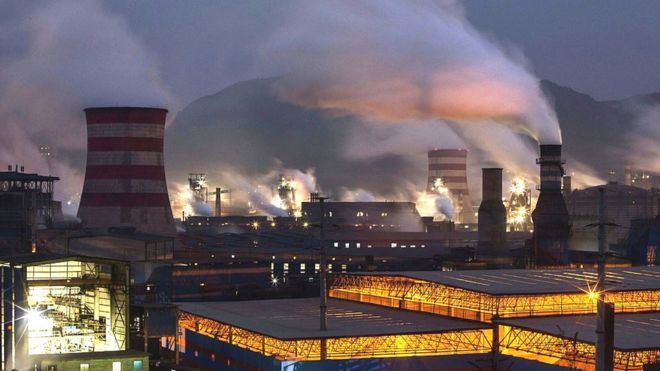
The coronavirus crisis is causing the biggest fall in global energy investment in history.
Before the pandemic, funding was set to rise 2%, but now it’s predicted to plunge 20%, says the International Energy Agency (IEA).
Fossil fuels are hit hardest, with a 30% funding drop expected for oil and a 15% fall for coal.
Renewables investment is down 10% - and it's only about half what’s needed to combat climate change.
Due to coronavirus lockdown measures imposed by many countries, for the time being, the fall in investment is leading to a drop in planet-heating carbon emissions.
But the IEA warns that that use of fossil fuels is likely to rebound when the crisis is over, leading to a spike in CO2.
One reason is because China and other Asian nations are putting in orders now for a new generation of coal-fired power plants to supply energy in the future.
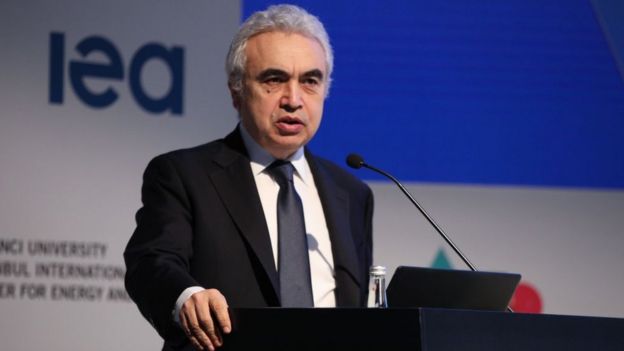
“We see a historical decline in emissions, but unless we have the right economic recovery packages, we might see emissions again skyrocket and the decline of this year would be completely wasted," the IEA's executive director Fatih Birol told the BBC.
“Remember the 2008-2009 crashes. We immediately saw a decline in emissions, but afterwards it rebounded. We must learn from history.”
Approvals of new coal plants in the first quarter of 2020, mainly in China, were running at twice the rate observed over the whole of 2019, he added.
Overall energy investment has fallen almost $400bn (£324.3bn) short of what was expected in 2020, and the IEA says there are now serious doubts about secure energy supplies when the global economy picks up, because energy projects take so long to deliver.
The report says the decline in investment is “staggering” in its scale and swiftness, mostly due to low demand and low prices for energy, especially oil.
Dr Birol said: “The historic plunge in investment is deeply troubling. It means lost jobs and economic opportunities today, as well as lost energy supply that we might well need tomorrow, once the economy recovers.
“The slowdown in spending also risks undermining the much-needed transition to more sustainable energy systems.”
Investment in renewables falling
The report says a combination of falling demand, lower prices and a rise in non-payment of bills means energy revenues to governments and industry are set to fall by well over a trillion dollars in 2020.
ANADOLU AGENCY / GETTY IMAGES
Oil accounts for most of the total of this decline. Shale gas – previously the darling of the energy sector - is anticipated to take the biggest percentage hit overall, with a 50% investment fall.
Renewables investment has been more resilient, but spending on rooftop solar installations by has been strongly affected. Energy efficiency is suffering too, as investment is set to fall by an estimated 10-15%.
The overall share of global energy spending that goes to clean energy has been stuck at around one-third in recent years.
In 2020 it will jump towards 40% of total investment - but that’s only relative, because fossil fuels are taking such a battering.
Dr Birol added: “The crisis has brought lower emissions but for all the wrong reasons. If we are to achieve a lasting reduction in global emissions, then we will need to see a rapid increase in clean energy investment.”
Decisions to commission new coal-fired plants are down more than 80% since 2015, but the global coal fleet continues to grow.
Latest Stories
-
Ghana Faces Sierra Leone Moment as Prosecutorial Powers come under strain
8 minutes -
Don’t consume fish or seafood from Tema Shipyard until further notice – FDA warns
13 minutes -
Why volunteering might be Africa’s most underrated career accelerator
20 minutes -
ActionAid Ghana raises concern over gender gaps in Feed Ghana Programme
22 minutes -
Windstorm wreaks havoc in Gushegu, displacing nearly 2,000 residents and damaging schools
24 minutes -
Friends of Bridget Bonnie Marks her 35th birthday with donation to Kasseh Model Health Centre
1 hour -
From Ekumfi Kokodo to the Pulpit Stage: Essi Donkor’s gospel journey takes shape
1 hour -
Landfilling waste management creates no value, it’s an economic waste
2 hours -
Photos: Speaker Bagbin Commissions MPs constituency office under parliamentary decentralisation programme
2 hours -
Black Stars technical advisor Winfried Schäfer sacked as GFA shakes up backroom staff
2 hours -
Wenchi water project almost complete, critical to gov’t agenda – GWL MD
2 hours -
Anti-LGBTQ+ bill not part of government’s legislative agenda – Inusah Fuseini
2 hours -
Anti-LGBTQ Bill: Forget the rumour mongers, I’m a man of action, and will pass the bill – Speaker
3 hours -
Women and children among those killed in Sudanese army shelling of wedding celebration
3 hours -
President Mahama is not sincere with Ghanaians on LGBTQ bill matter – Hassan Tampuli
3 hours