

Audio By Carbonatix
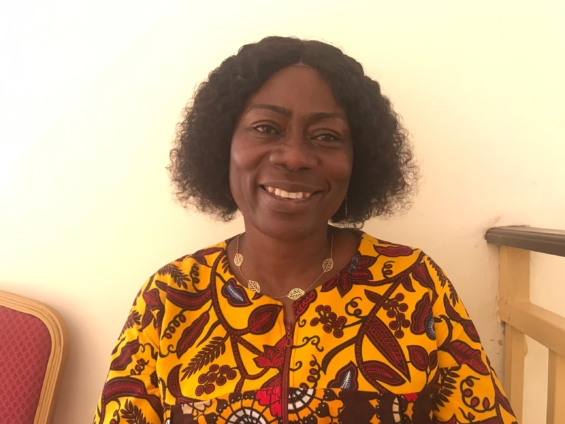
A lecturer at the University of Environment and Sustainable Development, Dr Rosemary Anderson Akolaa has expressed concern over the extinction of some traditional food items in Ghanaian society.
She is part of a team of health professionals conducting research on the decline of indigenous Ghanaian foods and how to reintroduce them by incorporating them into the country’s school feeding programme.
According to her, many indigenous foods have been lost due to factors such as migration, modernisation, and leadership, while these foods are often healthier than many of the alternatives currently in the system.
Dr Akolaa highlighted the health benefits of baobab fruit and leaves, which are rarely used by Ghanaian households compared to the early 2000s. She also spoke about the benefits of consuming millet and certain wild fruits and vegetables, which are now largely absent from the system.
She emphasised the urgent need to “salvage the few that are still present but are also gradually becoming extinct.” She mentioned that millet, particularly the red variety, should be revisited, stating, “When we talk about the food basket, we usually don’t talk about millet, but millet is a very important staple food for us in this country.”
She also advocated for the consumption of the popular northern delicacy known as TZ, saying it is beneficial for the human system.
Dr Akolaa also discussed the health benefits of local foods such as dawadawa, cinnamon, and wakye leaves, urging their reintroduction into the diet.
She encouraged parents to begin cooking these traditional foods for their families, citing the various health benefits they provide to young people.
Dr Akolaa lamented the domination of foreign foodstuffs in the Ghanaian market and advised leadership to implement strict policies to ensure that traditional and healthy foods are prioritised. She also called on Ghanaians to adhere to these policies.
She further spoke about how the consumption of indigenous foods could boost economic growth in the country and urged the government to invest in the agricultural sector. Additionally, she encouraged cooks to add value to local foods to make them more attractive.
Latest Stories
-
Global InfoAnalytics poll puts John Boadu, Justin Kodua and Titus Glover ahead in NPP executive race
58 minutes -
Ghana to establish skills development university with $50m from German support package
1 hour -
Baffour Awuah under EOCO investigation over alleged financial loss and money laundering – Deputy AG
1 hour -
How healthy is Ghana’s health sector?
1 hour -
HACSA Tech4Girls graduates 80 young women with digital and technology skills
1 hour -
Arrest of Manhyia South MP should involve Parliament, not police station – Kpebu
2 hours -
Two Nigerians sentenced to 189 months in US prison over $2.4m cyber fraud
2 hours -
Cristiano Ronaldo leaves Portugal’s training camp after rift with Head Coach
2 hours -
Ghana Energy Awards opens nominations for landmark 10th anniversary edition
2 hours -
Aayalolo contra-flow: Are we treating the symptom instead of the disease?
2 hours -
GTEC orders Colleges of Education to begin 2026/2027 admissions despite fees approval delay
2 hours -
Legal reforms must solve real problems, improve justice – Bagbin
2 hours -
Ofori-Sarpong named Alumni President of the Year, honoured for PRESEC dormitory project
3 hours -
Germany commits $132m to Ghana for skills development and training university – Pelpuo
3 hours -
‘Influence should go beyond visibility’ – Taadi Banyinba GH launches The TB Impact
3 hours