

Audio By Carbonatix
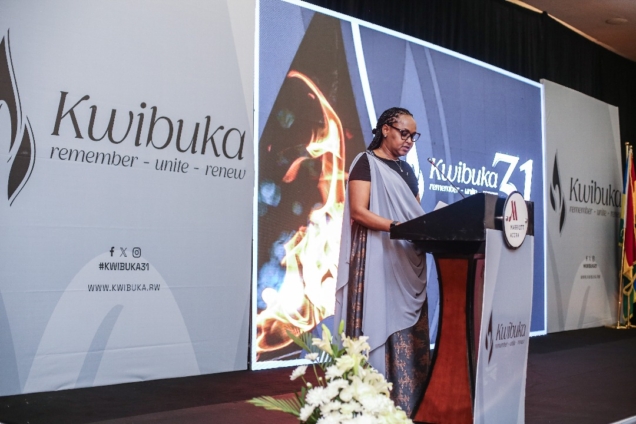
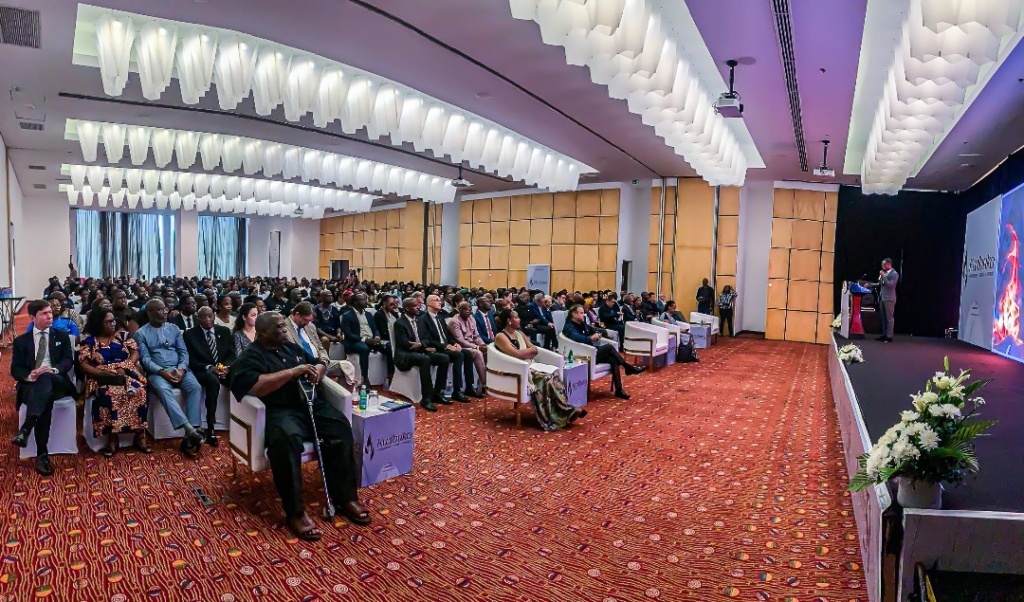
In a poignant and reflective ceremony on Monday, April 7, 2025,, people from all walks of life gathered in Accra to observe the 31st commemoration of the 1994 genocide against the Tutsi in Rwanda.
The event, organised by the Rwanda High Commission in Ghana together with the Rwandan Community in Ghana, featured a series of solemn activities to honor the memory of those lost and to reflect on the lessons learned from one of the darkest chapters of the 20th century.
During the commemoration, several candles symbolizing the light of hope were lit, filling the room with a sense of collective remembrance. The act of lighting the candles served as a powerful symbol of resilience and the determination to move forward in pursuit of peace and justice.
A particularly moving moment in the ceremony was the screening of a documentary on the genocide, which brought the audience face-to-face with the horrific realities of the events that took place in 1994.
The documentary took viewers through the nature of the genocide, offering a glimpse into the unimaginable suffering of innocent lives torn apart by violence and hatred. The film underscored the importance of never forgetting the atrocities of the past and the need to continue educating future generations about the consequences of unchecked hate and prejudice.
In addition to the documentary, an exhibition titled "Peace is Our Choice" was held to further engage the audience. The exhibition walked visitors through the journey of the genocide, providing powerful visual narratives of the suffering endured by the Tutsi people.
It also highlighted the ongoing efforts toward reconciliation and justice in Rwanda, illustrating how the country has worked tirelessly to rebuild and foster unity after such immense trauma.
The exhibition underscored the message that peace is a conscious and collective choice that requires commitment, understanding, and the willingness to overcome divisions.
In her address, Rosemary Mbabazi, the High Commissioner of Rwanda to Ghana recounted the genesis of the genocide and meticulous plans laid out by the perpetrators to exterminate the Tutsi from Rwanda resulting in frequent and period killings, which reached a crescendo in 1994.
“In Rwanda, the plan to annihilate the Tutsi began in 1959 under the patronage of Belgian officials and Catholic priests, when Hutu elites mobilized masses to descend on villages and arbitrarily killed Tutsis, setting their homes on fire and looting their property. This resulted in more than 20,000 deaths and hundreds of thousands of refugees in neighboring countries.
“Similar test killings and acts of genocide continued over the decades that followed for example in 1963, 1973, 1982. The killings climaxed in the period from 1990 leading to nationwide targeting of Tutsi in 1994.”
She called on the international community to do more to prevent future genocide from happening in any part of the world and give meaning to the phrase: “Never again”.
“Remembering is not a ceremony but a moment of reflection and introspection during which we ask ourselves, has the world truly learnt from what happened? Can we say that today, our world is more committed to “Genocide never again” than it was on the eve of 1994 when another genocide of the 20th Century unraveled Rwanda hardly 50 years after the world had committed to genocide “Never again” following the Holocaust?
“It unfortunately seems like not much has been learned.”
For Rwandans, the Kwibuka31 event, which means “Remember,” not only commemorated those who perished but also sent a strong message to the global community about the importance of standing against hatred, discrimination, and violence.
Among the dignitaries present were Rtd. Maj. Gen. Henry Kwami Anyidoho and members of the Ghanaian peacekeeping contingent who had served in the United Nations Assistance Mission for Rwanda (UNAMIR) during the genocide.
Their presence served as a reminder of the crucial role that international peacekeepers played during the crisis and their ongoing commitment to peace and justice.
Latest Stories
-
Bright Simons writes: All the Filla in the Ibrahim Mahama/E&P – Gold Fields Saga
23 minutes -
Monetise Idiocy In Ghana
30 minutes -
The Ghanaian prophet and the mysterious death of his scottish wife Charmain Speirs
1 hour -
Nearly 400 sentenced in Nigeria for links to militant Islamists
2 hours -
Ghana’s recovery supported by gold strength despite global oil price pressures – Standard Bank Research
2 hours -
‘Excellence is our inheritance’ – Nana Sam Brew-Butler hails Mfantsipim’s 150-year reign in leadership
2 hours -
Kwaku Azar writes: A-G vs OSP
2 hours -
Mfantsipim–Adisadel rivalry built excellence, not division – Sam Jonah
3 hours -
Vice President launches Mfantsipim’s 150 years of shaping Ghana’s greatest mind
3 hours -
I assure Otumfuo, Mahama will join him to commission KNUST Teaching Hospital by end of this year – Haruna Iddrisu
4 hours -
Barcelona dominate derby to extend La Liga lead
4 hours -
Gov’t to roll out free special education for persons with disabilities from July 1 – Education Minister
4 hours -
Importers and Exporters Association declares full support for Publican AI port system
4 hours -
“We used it to test our officiating officials’ readiness” – Bawah Fuseini after CAA Athletics event
4 hours -
Volleyball emerges as Ghana’s fastest rising sport
5 hours