

Audio By Carbonatix
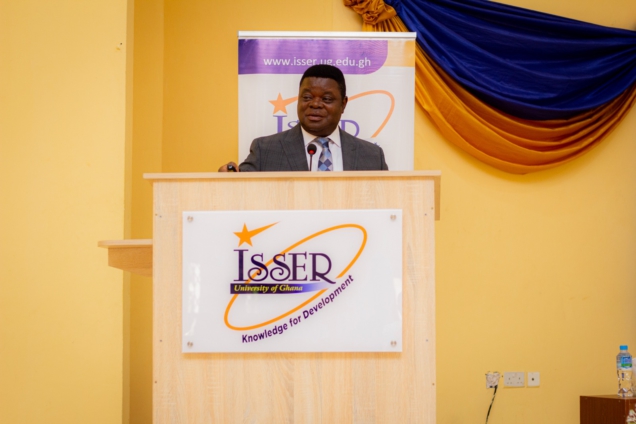
The Director of the Institute of Statistical Social and Economic Research (ISSER), Professor Peter Quartey, has emphasised the need for Ghana to draw lessons from Zambia's recent Domestic Debt Exchange Programme (DDEP) at this year's ISSER Development Dialogue.
The event's theme, 'The effects of a second round det exchange in Ghana,' set the stage for a valuable comparison.
Zambia successfully restructured $6.3 billion in debt owed to official bilateral creditors.
This was accomplished by extending debt maturities by more than 12 years and reducing interest rates to 1.0% for 14 years, rising to a maximum of 2.5% thereafter.
This strategic move was estimated to save Zambia approximately $5.0 billion in debt service payments from 2023 to 2031.
In contrast, Zambia committed to repaying its official creditors around $750 million over the next decade, a significant reduction from the nearly $6 billion initially owed.
As Ghana navigates its own debt exchange journey, Professor Quartey stressed the importance of these lessons.
Ghana is currently finalizing its bilateral debt agreements, with domestic debt management posing additional challenges.
One key lesson from Zambia is the importance of preserving domestic financial stability.
Zambia chose not to restructure non-resident holdings of local currency bonds and Treasury bills, prioritizing the health of its financial sector. This decision offers Ghana valuable insights:
- The Scramble for Treasury Bills: High-interest rates on Treasury Bills can worsen the debt situation and cause financial stress.
- Crowding Out of the Private Sector: Heavy government investment in Treasury Bills can discourage private sector investment, hindering economic growth.
- Impact on Lending Rates: High lending rates deter private-sector borrowing, affecting businesses and economic growth.
- Financial Sector Health: Protecting the stability of the financial sector is crucial for overall economic well-being.
Professor Quartey concluded by emphasizing that Ghana's ongoing debt exchange should be guided by the lessons from Zambia.
Striking the right balance between securing favourable terms and safeguarding domestic financial stability is vital, paving the way for a more stable and prosperous economic future.
Latest Stories
-
Young woman found dead at Kasoa Peace Town
27 minutes -
Livestream: The Law examines lawful arrest in Ghana
52 minutes -
Mahama urges African governments to treat healthcare as an investment, not budget cost
1 hour -
Bawumia congratulates John Boadu and new NPP executives, pledges support ahead of 2028
1 hour -
‘No talent should be left out’ – Bawumia pledges inclusive NPP campaign for 2028
2 hours -
Prof. Mike Oquaye recounts how he blocked Special Prosecutor’s attempt to arrest Bawku Central MP
2 hours -
Make health sovereignty a priority for Africa – Mahama
2 hours -
Dorimon Naa, Wa West DCE lead massive clean-up exercise; threaten sanctions against recalcitrant residents
2 hours -
Photos from Adom FM Y2K Jam
2 hours -
Praye Tiatia steals the show at Adom FM Y2K Jam [Watch]
2 hours -
Boakye Agyarko congratulates John Boadu, pledges support for NPP leadership
3 hours -
Antwi HiMight thrills fans with Antwi ne Antwi hits at Adom FM’s Y2K Jam [Video]
3 hours -
Amb. Edward Boateng congratulates Boadu, Kodua on election wins
3 hours -
John Boadu pledges to rebuild NPP from grassroots and restore ‘winning machinery’
3 hours -
Ashaiman Assembly deploys monitoring system to curb dumping in storm drain
4 hours