

Audio By Carbonatix
For Samuel Wiredu, hypertension is no longer just a health condition discussed at hospitals or in public health campaigns. It is the reason his 61-year-old brother, Akwasi Boateng, is dead.
Akwasi died after failing to take his high blood pressure and medication seriously, Samuel said. Now the family is also caring for their mother, who is living with hypertension.
“Our mother is also battling hypertension now. We are doing all we can to help her,” Akwasi stated.
Akwasi's story is one of several playing out in the Sekyere East District of the Ashanti Region, where hypertension, diabetes, stroke and other non-communicable diseases are placing a growing burden on individuals and families.
Records from health facilities across the district show a 75% decline in recorded hypertension cases between 2020 and October 2024. The fall is worth celebrating. But for health workers, the fight is far from over.
For 57-year-old Akua Tiwa, living with hypertension means taking medication every day and trying to remain active. But treatment has not removed the fear of what the condition could eventually do to her.
“It’s scary. I try to do everything the nurses say, but sometimes I wonder if it's enough,” she lamented.
For 73-year-old Akua Boakyewaa, the consequences have already been devastating. She suffered a stroke and can no longer walk or perform everyday activities without help. Her daughter, Patricia Wiredua, has become her main caregiver.
“She can’t walk or do anything by herself anymore,” Patricia said.
Patricia also knows the condition has touched other members of the family. “My aunt had it too,” she revealed.
Then there is 34-year-old Esther Kusi, who is living with diabetes. Her days now revolve around controlling her blood sugar, taking her medication and trying to avoid the things that could worsen her condition.
“I try to eat well and take my medicine, but it’s not easy. Some days are really tough,” she pointed out.
These are the experiences behind the district's health statistics. A diagnosis may begin with a number on a medical record, but its consequences can extend into homes, families and the daily lives of caregivers.
What health workers are seeing
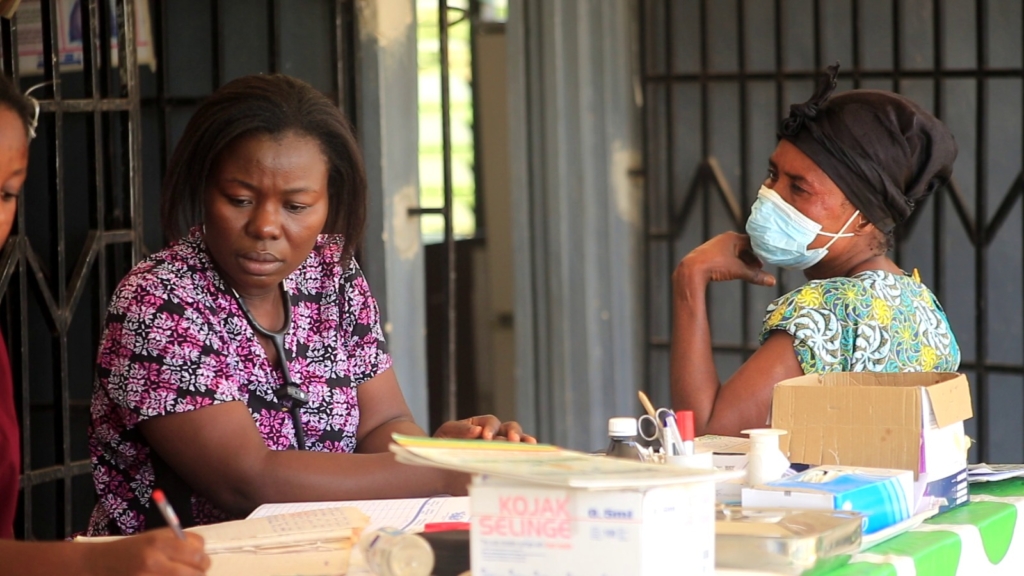
At the Ntunkumso CHPS compound, health workers help patients manage chronic conditions through medication, counselling and advice on diet.
A health worker at the facility, Rose Mary Aboagye, says many people wait too long before seeking medical attention.
“The ages of clients that come here range between 35 and 60 years. We give them drugs, counsel them and guide them on their diet through education,” she stated.
The district is also trying to improve early detection and awareness. One of its offices has been converted into a dedicated cervical cancer clinic to provide services to women and increase awareness about screening.
Public health nurse Belinda Darkuwa, who supports women dealing with breast and cervical cancer, says delayed presentation remains a concern.
“People fear going to the hospital. But by the time they come, the cancer is already advanced,” she stated.
The interventions form part of a wider effort by the Ghana Health Service and the Ashanti Regional Health Directorate to increase awareness of Non-communicable Diseases (NCDs) and encourage healthier lifestyles.
The Ashanti Regional Health Director, Dr Fred Adomako-Boateng, said the region's current assessment had produced encouraging results.
“With the current holistic assessment that we have done for the region, the figures are good.”
A 75% fall in recorded hypertension cases
The district's records show a consistent decline in recorded hypertension cases over the period.
Across health facilities in Sekyere East, 6,764 cases were recorded in 2020. The figure fell to 6,234 in 2021, then to 4,046 in 2022.
In 2023, recorded cases dropped further to 2,296. By October 2024, the district had recorded 1,660 cases. That represents an overall 75% decline in recorded hypertension cases between 2020 and October 2024.
Recorded cases fell by 7.84% between 2020 and 2021, by 35.09% between 2021 and 2022, and by 43.27% in 2023. Between 2023 and October 2024, there was a further 27.7% decline.
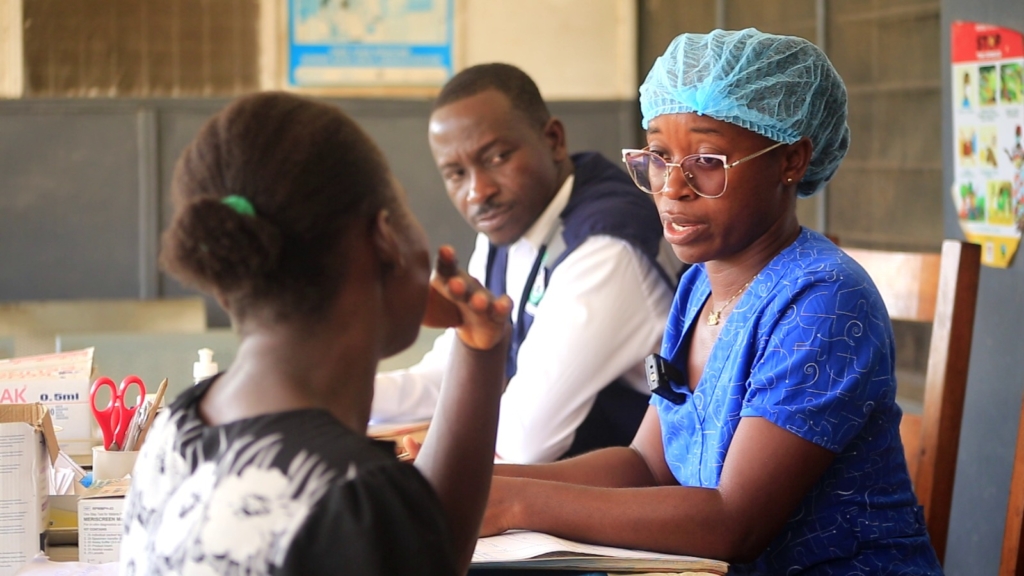
For the District Health Management Team, the trend is encouraging. Dr Justice Ofori-Amoah, District Director of Health Services, says the team is determined to sustain the effort.
“We are doing everything possible to continue to bring the numbers down,” he stated.
He said poor diets were among the factors contributing to the concern and stressed the importance of stronger advocacy and public awareness.
“These diseases have existed for some time, but now more than ever, we need strong advocacy and widespread public awareness,” he said.
He also points to outpatient attendance as evidence that residents continue to reach health facilities for care at the district’s 14 health facilities.
The explanation offered by the district health authorities therefore points not to fewer people becoming sick, but to better management of people already diagnosed.
Dr Ofori-Amoah says increased awareness is encouraging more people to report to health facilities and receive treatment.
“The awareness is being created and people are reporting to health facilities. Most of them are being kept under medication and therefore we will live to have any complications including death,” he indicated.
A local improvement & the risks behind the diseases
The improvement in the management of NCDs in Sekyere East comes against a much wider national burden.
Ghana's first nationwide WHO-supported STEPS survey of NCD risk factors found that 21.7% of adults aged 18–69 had hypertension. But the survey also found that 51.1% of adults with elevated blood pressure had never previously been diagnosed.
Among people who had previously been diagnosed and were taking medication, only 9.5% had controlled blood pressure.
The findings suggest that diagnosing people and keeping those already diagnosed on effective treatment remain major challenges for Ghana's health system.
This makes the experience in Sekyere East particularly relevant to the healthcare system. The district's falling number of recorded cases may partly reflect patients whose conditions are being successfully managed rather than a simple disappearance of hypertension from the community.
But facility statistics cannot capture everyone. People with undiagnosed hypertension would not necessarily appear in the district's records. Neither would people who do not seek care or those whose conditions are not detected during routine contact with the health system.
Experts say NCDs are rarely caused by one factor. The World Health Organization identifies tobacco use, physical inactivity, harmful alcohol consumption, unhealthy diets and air pollution among the major preventable risk factors.
These can contribute to physiological changes including high blood pressure, raised blood glucose, obesity and abnormal blood lipids, increasing the risk of cardiovascular disease, diabetes, cancer and other chronic conditions.
Chairperson of the Ghana Non-Communicable Disease Alliance, Dr Beatrice Wiafe Addai, has warned that Ghana risks worsening NCD statistics if policymakers and healthcare institutions fail to prioritise the conditions and provide adequate care.
At a national NCD meeting in 2022, she said, “We risk a spike in NCD statistics if policy makers and healthcare institutions fail to prioritize the conditions and extend the needed care to afflicted patients.”
She has also advocated stronger public awareness and better access to healthcare, arguing that tackling NCDs requires a coordinated response rather than isolated interventions.
Her warning gives added weight to the experience of Sekyere East, where health officials say education, awareness and treatment are helping patients manage their conditions.But it also underlines why a fall in recorded cases should not lead to complacency.
What the wider burden means & what the decline really tells us
Non-communicable diseases are no longer confined to one age group or social class. Hypertension, diabetes, stroke, heart disease and cancers can affect people across communities, while their effects often extend to relatives who become caregivers.
Globally, the World Health Organization estimates that NCDs kill 41 million people each year, accounting for around 70% of all deaths.
In Ghana, NCDs account for 43% of deaths, with cardiovascular diseases identified as the most common cause.
The challenge in Sekyere East is therefore both local and part of a much wider public health problem. But statistics alone cannot explain what the disease means to the people living with it.
For Dr Ofori-Amoah, the falling figures are evidence that treatment, education and awareness are making a difference. If better treatment and awareness are driving the decline, then the figures could represent an important public-health gain.
But maintaining that progress will require continued access to medicines, regular monitoring, health education and early detection.
And if undiagnosed cases remain significant, the health system will need to find them before they become strokes, heart disease, kidney failure or other complications.
That’s why health workers in Sekyere East continue to encourage residents to check their blood pressure, seek medical attention early, follow treatment and make healthier lifestyle choices. The national evidence shows that the work is far from finished.
For Samuel Wiredu, the consequences are disturbing and heartbroken. His brother is gone. His mother is still living with hypertension. And his family's experience has left him with a warning he does not want other families to learn through loss.
“If my brother had taken his condition seriously, maybe he would still be here. I don’t want to see others go through the same pain,” he says.
In Sekyere East, the falling numbers offer a reason for hope. But the people behind those numbers say the fight against silent diseases does not end when a statistic falls.
Latest Stories
-
AFCON 2027Q: Interim Black Stars technical team to take charge of November games
25 minutes -
Gov’t suspends implementation of L.I. restricting preaching and hawking in moving vehicles
31 minutes -
Three Saudi nationals killed in Houthi attacks on Riyadh airport
45 minutes -
Jinapor demands accountability from energy sector agencies ahead of 2027
51 minutes -
Cars torched and shops looted as anti-migrant violence erupts in South Africa
56 minutes -
We’ll strengthen unity and party structures to win 2028 election – John Boadu assures Kufuor
59 minutes -
Mahama’s meeting with UN financial inclusion renews focus on women’s access to finance – Joyce Bawah Mogtari
1 hour -
‘Africa is not the future; Africa is the now’ — Sammy Gyamfi tells African youth
1 hour -
Mahama begins 2-day ‘Resetting Ghana’ tour of Ahafo Region
1 hour -
It is a nuisance law; stop pretending it is a religious war
1 hour -
KGL U17 Colts 2026: Prempeh Elite Academy, Western Region, two others battle for final berths
2 hours -
LA 2028: Near misses and the crashouts, but Black Queens cannot afford another Olympic Games slip-up
2 hours -
Wode Maya recounts how he won Miss Trudy’s heart with Shatta Wale’s song
2 hours -
Dede Chancelor makes appearance at Milan Fashion Week 2026
2 hours -
Today’s Front pages: Friday, October 9, 2026
3 hours