

Audio By Carbonatix
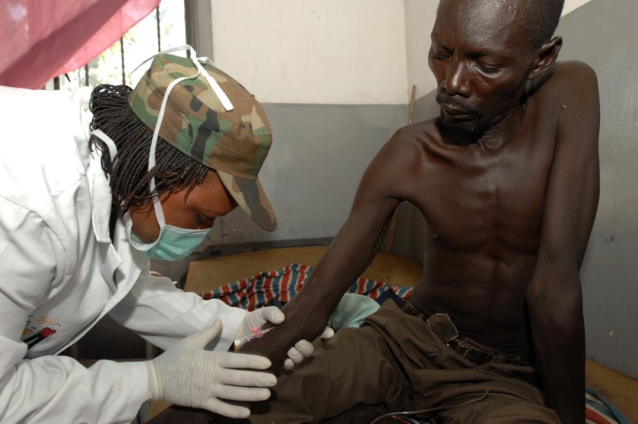
Sickle cell disease (SCD) is a hereditary blood disorder that affects millions of people worldwide, with a significant prevalence in regions like sub-Saharan Africa.
Despite its prevalence, there is often a lack of awareness, particularly when it comes to understanding one's genotype and the importance of genotype compatibility in relationships.
As of my last knowledge update in September 2021, In Ghana, SCD is a significant health concern, particularly in certain regions of the country. According to the World Health Organization (WHO), Ghana has one of the highest prevalence rates of sickle cell disease in the world, with approximately 2% of newborns in Ghana being born with SCD.
These statistics underscore the importance of awareness, education, and genetic counseling to help reduce the impact of this disease on individuals and communities in Ghana.
The Impact of Sickle Cell Disease:
SCD is characterized by abnormally shaped red blood cells, which can cause various health complications, including severe pain, anemia, and organ damage. Individuals with SCD often face a lifelong battle with the disease, requiring frequent medical interventions and hospitalizations.
The Role of Genotype Compatibility:
The key to understanding and preventing SCD lies in understanding one's genotype and that of their potential partner. Sickle cell disease is an autosomal recessive genetic disorder, meaning that both parents must carry a specific gene mutation for their child to inherit the disease. Knowing your genotype and your partner's genotype is crucial to assess the risk of passing on SCD to your children.
Genotype Combinations:
- AA + AA (Low Risk): When both partners have the AA genotype, there is no risk of passing on SCD to their children.
- AA + AS (Carrier): If one partner has the AA genotype and the other has the AS genotype, they are carriers (sickle cell trait carriers). There's a 25% chance of having a child with SCD if both carry the sickle cell trait.
- AS + AS (Higher Risk): If both partners have the AS genotype, they are both carriers, and there's a 25% chance of having a child with SCD with each pregnancy.
- AS + AC (Varied Risk): Different combinations involving the AS genotype have varying risks. It's essential to consult a genetic counselor to understand the specific risks involved.
The Need for Awareness:
Despite the simplicity of getting a genotype test, many people do not take this crucial step, often due to lack of awareness or misconceptions. Some assume that love will conquer all, but when it comes to SCD, prevention through informed decision-making is the best approach.
Taking Action:
- Get Tested: Both individuals in a relationship should get tested for their genotype, ideally before marriage or planning a family.
- Consult a Genetic Counselor: Genetic counselors can provide invaluable guidance on the implications of genotype compatibility and family planning.
- Raise Awareness: Encourage education and awareness campaigns about SCD and the importance of genotype testing within communities and schools.
Understanding your genotype and that of your partner is not just a matter of personal health but a vital step toward preventing the transmission of sickle cell disease to future generations. By prioritizing genotype compatibility and raising awareness about SCD, we can take significant strides toward reducing its prevalence and the suffering it causes.
In the journey towards creating a world free from the burden of sickle cell disease, knowledge is power. Taking the initiative to understand your genotype and its implications for your family's health is an act of love, responsibility, and empowerment. By making informed decisions and embracing the importance of genotype compatibility, we can collectively work towards a future where no child has to suffer the pain and challenges brought about by sickle cell disease.
Let's join hands in spreading awareness, advocating for genetic testing, and nurturing relationships built on not only love but also the foundation of health and well-being for generations to come.
In the end, the fight against sickle cell disease isn't just about individuals; it's a collective effort that begins with each one of us. Together, we can break the cycle of SCD and ensure a brighter, healthier future for our families and communities.
Latest Stories
-
ITF World Tour : Patel Wins Boys’ Singles Final at J100 Accra
9 minutes -
Ghana must pursue BRICS partnership if it brings economic benefits – Kpebu
12 minutes -
Success and Wright Claims J100 Accra Girls’ Doubles Championship
13 minutes -
ITF J100: America’s Wright wins J100 Accra Girls’ Singles Title
19 minutes -
Expedition hopes to find aviator Amelia Earhart’s plane on remote island
20 minutes -
US seeks changes to rejected $109m health compact with Ghana – Mahama
50 minutes -
Nine dead in mass shooting at Pennsylvania home
1 hour -
‘Time for Ukraine to get new president,’ says Trump after Zelensky condemns diesel deal
1 hour -
Hincapie injury adds to Arsenal issues after Guimaraes rescue act
1 hour -
Henderson scores twice as Chelsea thumb Bournemouth
1 hour -
Photos: Mentapulse Africa convenes health and labour summit to address talent retention
2 hours -
Mahama inspects Nkokɔ Nketenkete plant, eyes Bechem as chicken capital
2 hours -
Ghana not seeking full BRICS membership, applying as Partner Country – Ablakwa
2 hours -
Woman injures three people in third Poland school knife attack in a week
2 hours -
Ghana should join BRICS as partner, not member – NPP Bono East Regional Secretary
2 hours