

Audio By Carbonatix
Stakeholders along the agricultural value chain are lamenting the cut in budget in the agricultural sector.
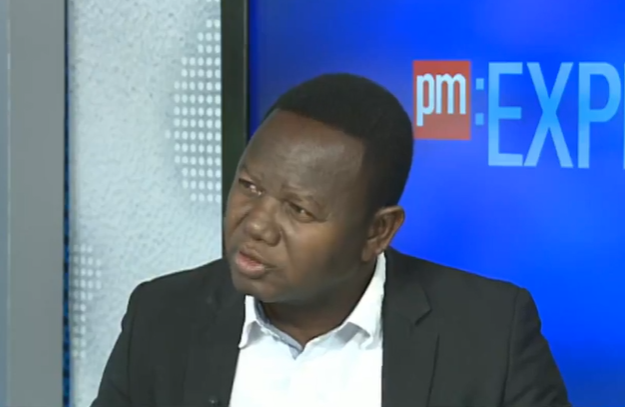
According to the General Secretary of the General Agricultural Workers’ Union, Edward Kareweh, it’s a bad timing to limit support to the sector as the country is currently experiencing crisis in food stocks.
Speaking to Joy Business, Mr. Kareweh called for more investments in agriculture, as Ghana is hugely an agric state.
“It’s just unfortunate. We know that government doesn’t have enough money, but this is the time it should prioritise agriculture. In fact, it is supposed to invest more in agriculture than any other sector because agriculture keeps our nation moving.”
“It will reduce poverty because we’re an agricultural state. Majority of Ghanaians depend on the sector for either food or labour. It is just unfortunate and I think it is a wrong policy decision to just cut the budget for agriculture at this stage in our economic development, where we’re facing crisis in our food stocks,” he said.
Government have started cutting some spending allocations to the agricultural sector in the country as part of the larger expenditure review for all Ministries, Department and Agencies.
The Deputy Minister of Food and Agriculture, Yaw Frimpong Addo, said the suggestions were made to remove all support, but his outfit stood its ground.
“One of the steps that the ministry is taking to review some of the policies and programmes is to gradually move away from high 60% fertiliser subsidy to 15%. The truth is some suggested that we totally scrap the subsidy, but the minister insisted on helping farmers,” he stated.
Meanwhile, government has justified the additional spending cuts rolled out by the Finance Minister, Ken Ofori Atta, describing it as significant within current limitations.
The cuts, according to the Finance Minister, will help save the economy about ¢3.5 billion this year.
According to the Deputy Minister of Finance, Abena Osei Asare, Ghana’s expenditure budget is made up of compensation, interest payments, capital expenditure, goods and services.
“These are expenditure which are hard to cut. But for us [the Finance Ministry] to make a cut of ¢3.5billion on our discretionary item, it is very substantial. We believe it will also send the right signal and message to all the Ministries, Departments and Agencies to work within their space, so that at the end of the day, we can achieve set targets.”
Latest Stories
-
US Embassy recognised NSA, GFA and GTA as separate entities for visa applications – Sports Minister’s aide
4 minutes -
Only 30% of Ghanaian teachers satisfied with their jobs – CAPCOE data reveals
15 minutes -
Communities affected by construction of Akosombo Dam urge government to speed up compensation process
36 minutes -
World Cup visa scandal: Sports Ministry not shielding anyone – Sports Minister’s special aide
57 minutes -
World Cup visa scandal: Over 30 people misrepresented as GTA board members to US Embassy – Vincent Assafuah alleges
59 minutes -
Fire destroys wooden structure near Yesu Mo Villa at Bush Road
1 hour -
NDC threatens sanctions over oversized campaign posters, gives aspirants 5 days to comply
2 hours -
Star Oil paid GH¢2.7bn in taxes, levies in nine months of 2026
2 hours -
Samson’s Take: The rule of law is cheaper before the bulldozer
2 hours -
GRA blames system failure for delay in issuing receipt over passenger’s customs duty
2 hours -
Livestream: Newsfile discusses World Cup visa scandal, beach demolitions, education strikes, BRICS bid
3 hours -
NC-PTAs welcomes end of teachers’ strike, urges parents to prepare children for Monday
3 hours -
Government procures over 2,000 transformers as Ghana’s electricity access hits 89.13% – Energy Minister
3 hours -
UTAG-UG threatens strike on October 19 over unpaid allowance
3 hours -
Let The Constitution direct Chieftaincy to deliver “All Development Is Local”
4 hours