

Audio By Carbonatix
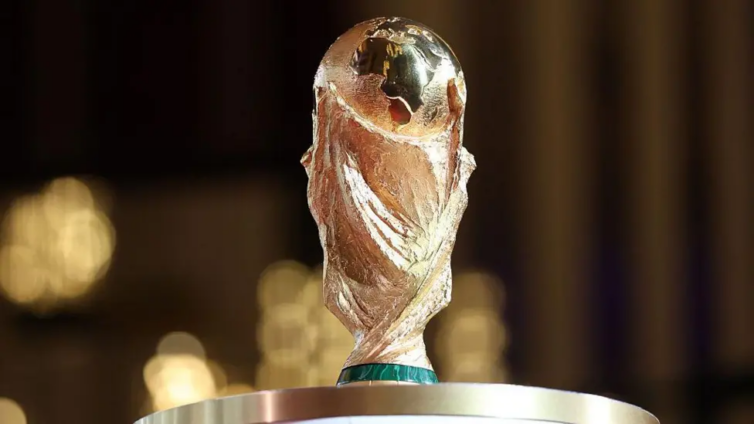
UEFA will create a two-tier qualification process for the 2030 World Cup, which will mean major countries will no longer play minor nations such as San Marino, Gibraltar and Andorra.
Critics have long campaigned to change the qualifying rules to remove uncompetitive games.
Under the new rules, the top 36 countries, as determined by the 2028 edition of the Nations League, will be drawn into three groups of 12 teams in League 1.
The remaining 18 nations will play in a separate tournament, which is considered to create a fairer system that gives them a greater chance of winning.
Qualification has also been completely revamped to mirror the Champions League format.
For the 2026 World Cup, some countries played six qualifiers, but some played eight. Now all will play six.
Every team in the 12-team group will play six home-or-away matches against six different opponents - two per pot.
It moves qualifying away from the regular format, where teams would play all their group opponents home and away.
The best-ranked teams from each League 1 group will qualify for the World Cup, with the remaining places allocated via play-offs.
UEFA has not confirmed the breakdown of the automatic slots.
The remaining 18, lower-ranked countries - under the current format, effectively all but the group winners in Nations League C and all seven countries in Nations League D - will take part in League 2.
Countries in League 2 would still have opportunities to qualify.
UEFA president Aleksander Ceferin said: "The new formats will improve competitive balance, reduce the number of dead matches, offer a more appealing and dynamic competition to fans, while ensuring a fair qualification chance for all teams and without adding any additional dates in the international calendar."
Uefa also announced that the Nations League would be restructured from 2028, into three divisions of 18 teams, each with three groups of six teams.
Teams will still play six matches, but against five different opponents.
There will be three pots, each with six teams.
For example, a team in pot one would play another team from pot one home and away, plus two teams each from pots two and three, home or away.
Semi-finals, finals, promotion and relegation will continue.
Latest Stories
-
Ghana explores centre of excellence for hearing, communication and cochlear implant care
9 minutes -
Schizophrenia-related disorders lead mental health cases recorded in Ghana
31 minutes -
Dutch authorities enlist Ghana in hunt for fugitive drug lord Bolle Jos
54 minutes -
Ghana housing finance conference adopts communiqué to improve affordable housing access
5 hours -
Special Initiatives Minister urges Wa Technical Institute to enrol more girls as EU-backed solar training lab opens
6 hours -
In the matter of my first year at the Bar
6 hours -
ActionAid Ghana calls for an end to child marriage, greater investment in girls’ rights
6 hours -
Newsfile to tackle World Cup visa scandal, beach demolitions, education strikes, BRICS bid
6 hours -
UK-Ghana Trade & Investment Summit: Trade Resource Centre to help businesses maximise UK-Ghana trade opportunities
7 hours -
Embassy of Denmark celebrates World Maritime Day
7 hours -
Linking LEAP to productive inclusion could cut extreme poverty by 2030 – UNICEF
8 hours -
Trade Ministry backs use of creative arts to rehabilitate prison inmates
8 hours -
Negotiations with government to continue despite strike suspension – GNAT
8 hours -
‘Ghana cannot afford to waste public resources; every cedi has a job’ – Ato Forson
8 hours -
Ghana expects economic boost as World Assemblies of God Congress brings 10,000 delegates to Accra
8 hours