

Audio By Carbonatix
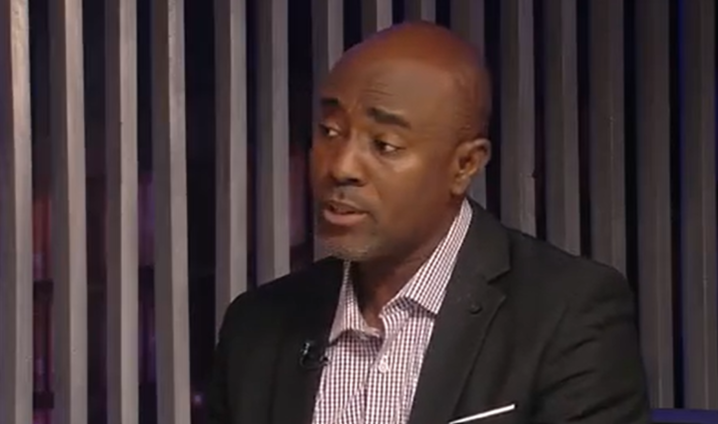
A Statistician with the Ghana Statistical Service, Anthony Oduro-Denkyira, has highlighted some ways the gender pay gap in Ghana can be closed.
Speaking on PM Express on JoyNews, he explained that especially in the informal private sector, the social responsibilities women bear including motherhood among others affect the work put in and the amounts they earn.
Mr Oduro-Denkyira said “it's so clear that in the informer sector, where they don't enjoy social security benefits, a woman then would want to take up jobs she could be able to do for lesser hours. When that happens, because that woman doesn't enjoy things such as security, unlike the public sector, she will work for fewer hours, she'll be paid less, and obviously will have an impact on her salary.”
The statistician believes that creating an equitable share of family duties between men and women for both childcare and elderly care would help women seek jobs that can help them earn more.
On other solutions, he stated that “companies should have policies that will work on a flexible working time and there's a need for companies to have programs that would train women when they go to child care.”
He also added that more women should be encouraged to take managerial positions adding that because there are more men in such positions, pay disparities could occur.
This comes after the Ghana Statistical Service revealed that among paid workers in the country, women earn 34.2 per cent less than men.
In a press statement released to celebrate International Equal Pay Day, GSS stated that “the gender wage gap is lowest among paid workers with tertiary education or more where women earn 12.7 per cent less than their male counterparts. The wage gap is highest among workers with basic education (60.1%) followed by workers with no education (54.0%).”
“When comparing sectors of employment, the gender wage gap is highest in the private informal sector where women are paid 58.7 per cent less than men. This is followed by the private formal sector with a wage gap of 29.9 per cent. The public sector, where women are paid 10.5 per cent less than men has the lowest gender wage gap.”
Meanwhile, the CEO of the Ghana Employers Association, Alex Frimpong, believes there is little to no gender pay disparities in Ghana’s private and public sector.
Also speaking on the show, he said that employers are employing people, regardless of gender, who can do the work ascribed and they are being paid the same.
“For the formal sector, when an employee needs to do a piece of work, the issue is who can do the job and at what rate is the person going to get paid for that job? So the issue of gender disparities more or less does not apply in the private sector,” Mr Frimpong said.
“And I can think too for many public sector jobs, there's no discrimination in terms of paying for men and women in many organisations,” he added.
Latest Stories
-
Special Initiatives Minister urges Wa Technical Institute to enrol more girls as EU-backed solar training lab opens
4 minutes -
In the matter of my first year at the Bar
17 minutes -
ActionAid Ghana calls for an end to child marriage, greater investment in girls’ rights
22 minutes -
Newsfile to tackle World Cup visa scandal, beach demolitions, education strikes, BRICS bid
45 minutes -
UK-Ghana Trade & Investment Summit: Trade Resource Centre to help businesses maximise UK-Ghana trade opportunities
1 hour -
Embassy of Denmark celebrates World Maritime Day
1 hour -
Linking LEAP to productive inclusion could cut extreme poverty by 2030 – UNICEF
2 hours -
Trade Ministry backs use of creative arts to rehabilitate prison inmates
2 hours -
Negotiations with government to continue despite strike suspension – GNAT
2 hours -
‘Ghana cannot afford to waste public resources; every cedi has a job’ – Ato Forson
2 hours -
Ghana expects economic boost as World Assemblies of God Congress brings 10,000 delegates to Accra
3 hours -
Joy in Nayilifong as Farouk Aliu Mahama donates 100kVA transformer to improve power supply
3 hours -
Chief Justice urges employers to tackle mental health stigma in workplaces
4 hours -
Analysis: Ghana’s yellow fever numbers reveal a gap between vaccination and protection
4 hours -
Education Ministry welcomes suspension of teachers’ strike
4 hours