


Audio By Carbonatix
On Friday 27th September 2024, the Bank of Ghana unveiled a daring initiative, launching a gold coin intended to serve as a store of value amidst the rapid depreciation of the cedi. The move aims to give investors an alternative to the dollar, hoping to ease the pressure on the national currency.
However, skepticism surrounds this new measure, particularly when compared to Zimbabwe's recent gold-backed currency, the ZiG (Zimbabwe Gold). The ZiG, launched in April 2024 with great anticipation, quickly lost 40% of its value in just a few months. The Zimbabwean case offers a cautionary tale, highlighting how even gold seen as a safe-haven asset can fail if broader economic instability and confidence issues persist.
Both Ghana and Zimbabwe have been wrestling with inflationary pressures, amidst varying degrees and under different circumstances. As inflation accelerates in both nations, their central banks have taken drastic measures, including adjustments in monetary rates, to stem the tide of economic decline. Yet, while Ghana's new gold coin venture offers hope, many investors are unsure whether it will succeed where others have failed.
Zimbabwe: A Tale of Hyperinflation and Currency Instability
Zimbabwe’s battle with inflation is well-known on the global stage, with hyperinflation ravaging the economy for decades. In 2008, the country experienced one of the worst inflationary crises in history, with rates soaring to over 1000 percent. The Zimbabwean dollar became worthless, leading the country to abandon its currency in favor of a multi-currency regime dominated by the US dollar and South African rand.
In recent years, however, inflation has returned with a vengeance. After introducing its own currency once again in 2019, Zimbabwe saw inflation rates surge, particularly in November 2022, when it hit a staggering 255%. Though inflation rates cooled slightly in 2023, settling around 101%, the economic outlook remained blunt due to a mix of economic mismanagement, corruption, and investor mistrust.
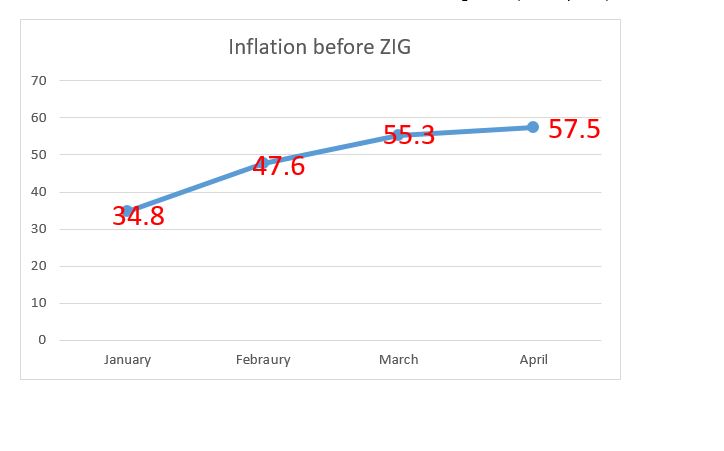
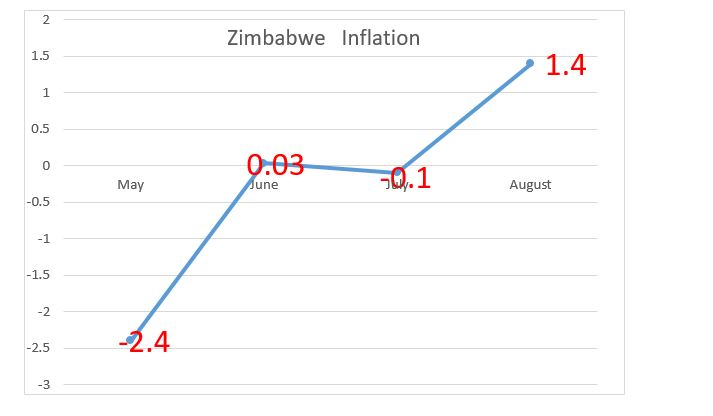
The introduction of the Zimbabwe Gold (ZiG) in April 2024 was a desperate attempt to tame inflation by anchoring the currency to a precious metal with intrinsic value. Initially, the move sparked optimism, as gold-backed currencies theoretically hold the promise of stability in times of crisis. Yet, just months later, the ZiG plummeted 40% in value, demonstrating that the measure could not overcome the deep-seated economic challenges or regain the confidence of Zimbabwe's weary investors. Despite this happening month on month inflation has been at an all-time low after going through deflation
Ghana: Inflation and the Post-DDEP Struggle
Ghana's inflationary challenges have been less severe than Zimbabwe's, but they are still considerable. Over the past few years, the country has experienced a steady increase in inflation. In 2022, inflation surged to around 54%, primarily driven by external shocks such as rising global commodity prices and internal structural weaknesses, such as high debt levels and an overreliance on imports.
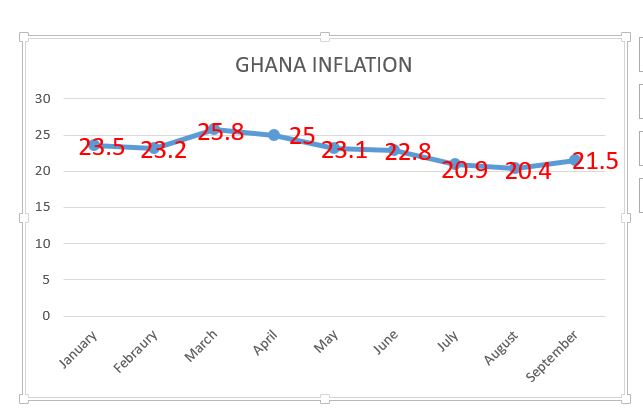
In response to inflationary pressures, the Bank of Ghana has consistently raised interest rates. By 2023, the monetary policy rate had risen to 30%, up from 14.5% in early 2022. However, these measures did little to calm inflation, which persisted above 40% through 2023. The recent Domestic Debt Exchange Program (DDEP) introduced in early 2023 sought to restructure Ghana's debt burden, but it left lingering uncertainty in the economy. Investor confidence remains fragile, and the cedi has been in freefall, depreciating significantly against the dollar, pushing locals to seek refuge in foreign currencies.
It is against this backdrop that Ghana has introduced its gold coin. The idea is to offer a store of value that might curb the cedi's depreciation and reduce the demand for dollars. Ghana is hoping to avoid the pitfalls Zimbabwe encountered, but the country's deep reliance on imports, combined with low export growth, makes this initiative a risky gamble.
Can Gold Anchor the Economy?
The central question now is whether gold can anchor the economy and protect the national currencies of these two countries from further depreciation. Zimbabwe’s experience casts doubt on this possibility. Even a gold-backed currency like the ZiG failed to sustain value when investor confidence collapsed. This raises concerns for Ghana’s gold coin initiative, as it could face the same pitfalls if structural economic issues are not addressed.
Gold has traditionally been a store of value during times of financial instability, offering protection against inflation. However, the success of any gold-backed currency or asset depends on broader economic fundamentals, including fiscal discipline, strong exports, and effective governance. Without these, gold risks becoming a short-term fix rather than a long-term solution.
Conclusion: High Stakes for Ghana's Gold Gamble
Ghana’s introduction of a gold coin as a store of value is a bold response to its economic challenges, but its success is far from certain. The global context of economic instability, compounded by internal structural issues, suggests that gold alone will not be enough to stabilize the economy. Zimbabwe’s experience with the ZiG illustrates that confidence and stability cannot be achieved by backing a currency with gold if the underlying economy remains weak.
Latest Stories
-
Insults generally are not crimes, but some may be criminal under the law – Samson Lardy Anyenini
5 minutes -
IGP deploys specialised police team, armoured vehicle to strengthen security in Nkwanta
5 minutes -
Dr Bawumia advocates solar power, access to credit, training and certification for artisans
7 minutes -
Trade Minister engages Russia, UAE and UNDP to boost trade, investment
9 minutes -
7 best foods to help keep blood sugar levels steady
12 minutes -
Ghana to host signing of UN trade convention to modernise global cargo documentation on October 26
27 minutes -
Family announces memorial mass for Nana Konadu Agyeman-Rawlings
31 minutes -
Mahama, Trade Minister, tours Afienya and Tema factories, schedules meeting on Free Zones incentives
36 minutes -
Gyakie and FlipTheMusic unveil ‘Your Body’ following a new distribution deal with Warner Music Africa
37 minutes -
Stop looking down on new media practitioners as if they don’t matter – New Media President
38 minutes -
Ghana’s BRICS partnership bid aimed at broadening development opportunities – Mahama
43 minutes -
Fiabci-Ghana inaugurated to promote professionalism and global collaboration in real estate sector
1 hour -
‘No flying in just for matches’ – Kofi Adams sets conditions for next Black Stars coach
1 hour -
Ghana and BRICS: Strategic opportunity, economic imperative or geopolitical gamble?
1 hour -
SML vs GRA: Court grants preservation order in dispute over US$500 million investment
1 hour