

Audio By Carbonatix
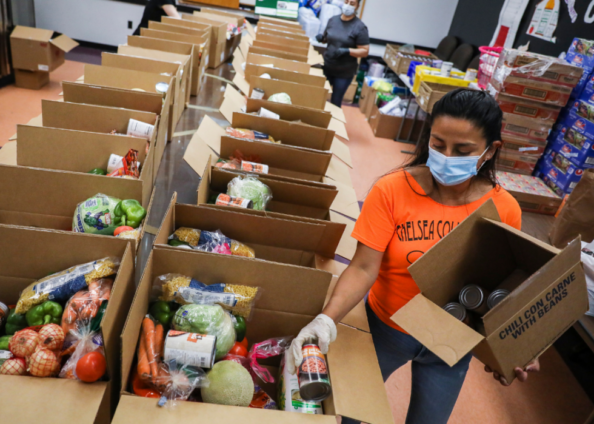
Despite living in a nation often associated with abundance, millions of families still struggle to access enough food for a healthy life in the U.S. Food insecurity, defined as limited or uncertain access to adequate food due to financial constraints, has far-reaching consequences beyond hunger. It can negatively affect both mental and physical health, with particularly devastating effects in vulnerable communities.
Similarly, food insecurity is a significant issue in many parts of the world, including Ghana. Although Ghana is known for its rich agricultural resources, food insecurity remains prevalent, especially in rural areas. The underlying causes—such as limited access to nutritious food, economic disparities, and rural poverty—are strikingly similar to those in the U.S. This highlights the global nature of food insecurity and emphasizes the need for international collaboration and knowledge exchange to address this crisis effectively.
My recent research sheds light on this stark reality, showing how food insecurity contributes to mental health problems such as frequency of mental distress, as well as physical health issues. These effects don’t exist in isolation—they are deeply connected to broader social challenges, including unemployment, high housing costs, and income inequality, perpetuating cycles of disadvantages.

Understanding Food Insecurity’s Toll on Health
The connection between food insecurity and health is complex. On the front of mental health, the constant worry about whether enough food will be available can lead to chronic anxiety and depression. My findings show that individuals in food-insecure households experience significantly higher levels of mental distress compared to those with consistent access to food. Feelings of shame, alienation, and helplessness often accompany the reliance on food assistance or the need to skip meals. The effects on physical health are just as concerning. The inability to access nutritious food often forces families to rely on cheap, calorie-dense options that lack essential nutrients, contributing to obesity and chronic conditions like diabetes and heart disease. These health issues are further aggravated by factors such as insufficient sleep, limited access to healthcare, and the additional stress of high housing costs.
Interestingly, my research found that individuals living in metropolitan areas reported slightly lower levels of mental distress. This may be due to better access to healthcare and support networks. However, this urban advantage is not universal. In some urban areas, the stress of high housing costs and social isolation can offset these benefits, making it important not to overlook mental health in urban environments.
Grocery Stores as a Lifeline
One key finding in my research is the critical role that access to grocery stores plays in combating food insecurity. In counties with higher numbers of grocery stores, food insecurity rates tend to be lower. This is because more grocery stores create greater opportunities for individuals to buy affordable, healthy food, which can reduce their reliance on fast food or convenience stores that often lack nutritious options.
However, food deserts—areas with few or no grocery stores—continue to worsen the problem. In rural and underserved urban communities, residents often travel long distances to access fresh produce or rely on expensive delivery services, further stretching their tight budgets. Expanding grocery store access in these areas is essential to help reduce food insecurity and its harmful effects.
Food Insecurity and Socioeconomic Disparities
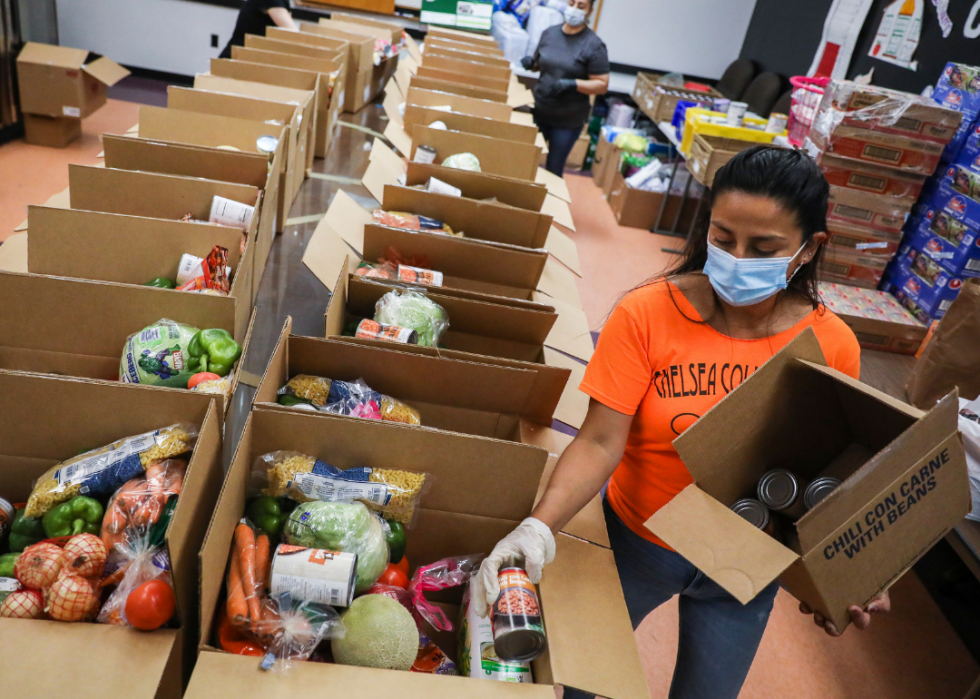
Food insecurity doesn't affect everyone equally. It disproportionately impacts certain groups—such as communities of colour, single-parent households, and those living in rural areas. My research highlights that counties with higher percentages of Black or Hispanic residents report higher levels of food insecurity, reflecting systemic barriers to economic opportunity and resource access.
Income inequality also plays a significant role in food insecurity. Households in counties with large income disparities are more likely to experience food insecurity, as those at the lower end of the income spectrum struggle to compete in markets dominated by wealthier consumers. Additionally, unemployment remains a major factor, with jobless individuals and families facing increased risks of both food insecurity and mental health challenges.
Conclusion
Food insecurity is a multifaceted crisis that affects millions of U.S. households, with serious consequences for both physical and mental health. Expanding grocery store access, integrating mental health services with food assistance, and addressing the root causes of inequality can break the cycle of hunger and poverty. It's time for collective action—policymakers, community leaders, and organisations must collaborate to create lasting change.
*****
Munkaila Lambongang is a researcher and PhD candidate in Natural Resource Economics at West Virginia University, focusing on food security and socioeconomic disparities. He is committed to finding sustainable solutions to hunger and poverty. He can be contacted via email at: Ml00104@mix.wvu.edu
Latest Stories
-
TTAG raises alarm over proposed recruitment of 7,000 teachers, demands national posting roadmap
17 minutes -
Civilians feared killed after reports of air strike on Nigerian market
27 minutes -
Bishop Simon Kofi Appiah installed as new Jasikan Diocese Bishop
28 minutes -
Trump’s Strait of Hormuz blockade threat raises risks and leaves predicaments unchanged
30 minutes -
US Court backs extradiction of former MASLOC CEO Sedina Tamakloe-Attionu’s to Ghana
49 minutes -
Seven arrested as NAIMOS dismantles illegal mining camp, seizes firearms at Boin River
51 minutes -
Fire erupts at Madina Ritz Junction, destroys multiple wooden structures and containers
1 hour -
Daniel-Kofi Kyereh returns from long-term injury, registers assist for Freiburg U23
1 hour -
Knifeman calling himself ‘Lucifer’ slashes three at NYC’s Grand Central
2 hours -
Brands are built from within to without
2 hours -
Matriculants urged to pursue excellence as gov’t reaffirms support for Maritime education
2 hours -
See the areas that will be affected by ECG’s planned maintenance on Monday, April 13, 2026
2 hours -
GPL 2025/26: Salim Adams double fires Medeama back to summit after Kotoko rout
2 hours -
Two robbery suspects convicted following violent gold dealer attack in Obuasi
2 hours -
Supreme Court @150: Fanfare meets reflection as nationwide activities roll out
2 hours