

Audio By Carbonatix
Ghana wears its digital finance success like a medal. Mobile money accounts now outnumber bank accounts by a wide margin, and transaction values run into hundreds of billions of cedis a year. Policymakers cite these figures as proof that the country has achieved financial inclusion; however, the numbers tell only half the story. Behind every transaction sits a human being who often does not understand what the screen says, and behind that person stands an agent. The agent carries the weight of Ghana's digital finance dream on their shoulders, which were never properly prepared for the load.
The Agent as a Default Teacher
Ghana built its digital finance system on an assumption that did not match reality. The assumption was that ordinary citizens could read, interpret, and act on USSD prompts, but Literacy rates in rural districts and informal sectors say otherwise. Many adults today cannot read English, so the agent stepped in to fill the gap. He/she becomes the unofficial teacher of digital finance. They explain, translate, and guide hands across keypads. The state did not train him for this role, nor did the telcos pay him for it, yet the system would crumble without him. This is the first risk. A national financial system rests on informal teaching by people whose main job is to move cash, not educate citizens.
Trust Without Verification
Digital finance demands verification, so does every transaction need proof? Yet in Ghana's reality, the customer often verifies nothing. They trust the agent's word that the amount entered matches what they said, and the receipt they cannot read. This trust runs one way. The agent verifies the customer's identity, balance, and PIN, whereas the customer verifies almost nothing about the agent. This imbalance creates space for quiet exploitation: small overcharges, unreported failed transactions, cash withheld and blamed on "the network." A financial system that asks the most vulnerable to trust blindly is not inclusion; it is dependency dressed in modern clothes.
The Regulatory Blind Spot
The Bank of Ghana regulates the telcos; the telcos manage the agents; and the agents face the customer, but by the time a complaint travels back up that chain, it has lost its shape. Regulation focuses on the institutions rather than on the frontline; however, Agent conduct codes exist on paper while Enforcement on the ground remains thin. Most customers do not know where to report fraud and fear losing access to the only agent in their area if they speak up. This regulatory distance leaves the human face of digital finance largely unsupervised.
The Cost of Convenience
Agents make digital finance feel close, fast, and friendly; however, that convenience comes at a cost the system rarely measures. Every reliance on an agent is a missed opportunity for the customer to learn. Every "let me do it for you" delays the day they do it themselves. Ghana risks raising a generation of financially included citizens who never become financially independent.
Conclusion
Agents have served Ghana well, and without them, mobile money would be a luxury of the city. They have helped reach farming communities, marketplaces, and informal economies. Until Ghana invests seriously in customer literacy, agent oversight, and language-friendly technology, the success of digital finance will continue to carry a quiet asterisk. One that the official statistics never print.
********
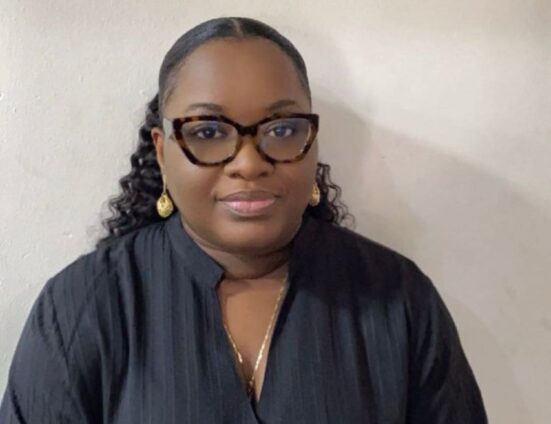
The writer: Dr. Genevieve Sedalo, Department of Marketing, University of Professional Studies, Accra
Latest Stories
-
Ghana seeks long-term mining investments that benefit local communities – Armah-Kofi Buah
18 minutes -
Ghana’s Ambassador to China, Kojo Bonsu, presents credentials to Nepalese President
30 minutes -
Fairtrade Africa’s Cocoa Hubs Project strengthens rural service centres in cocoa-growing communities
36 minutes -
SEC cautions investors against fraudulent investment schemes
37 minutes -
Land Ministry urges rCOMSDEP operators to reserve earnings for land reclamation
41 minutes -
Commercial drivers give authorities one week to clear traders from lorry terminals, bus stops
45 minutes -
Nana B denies claims that Kojo Bamba was his driver and bodyguard
1 hour -
Engage Now Africa to construct a 10-unit classroom block for struggling Navrongo Vocational Training Centre
1 hour -
One digital financial breach could expose linked accounts to fraud – Financial Crimes Manager
1 hour -
Ghana Russia Centre signs ICT cooperation agreement with Moscow University
1 hour -
The powerhouses of the village: Honouring Ghana’s rural women on International Rural Women’s Day
1 hour -
Vincent Assafuah petitions CHRAJ to investigate alleged irregularities in 2026 World Cup visa arrangements
1 hour -
12-year-old boy found dead in muddy pit at Opeikuma
2 hours -
GHS begins Yellow Fever vaccination campaign in three Upper West districts
2 hours -
Organised Labour pushes for higher 2027 base pay despite slowing inflation
2 hours