


Audio By Carbonatix
The people of Haifa, a city in Northern Israel, have become used to sharing the streets with wild boars, or even seeing them rummage through their trash cans. The animals have become a part of thee local culture.
No one really knows when and why the boars decided to move from the ravines around Haifa into the city, but they’ve definitely been there long enough to no longer fear the human population anymore.
Boars can be seen roaming the streets as cars drive by, digging through people’s trash right under their eyes, and even sleeping in the sun as humans walk past them.
They’ve just adapted to the urban lifestyle, and most of the people here have had no choice but to get used to them as well.
But while some now accept the wild boars as part of the local charm of Haifa, there are those who claim that something needs to be done about them.
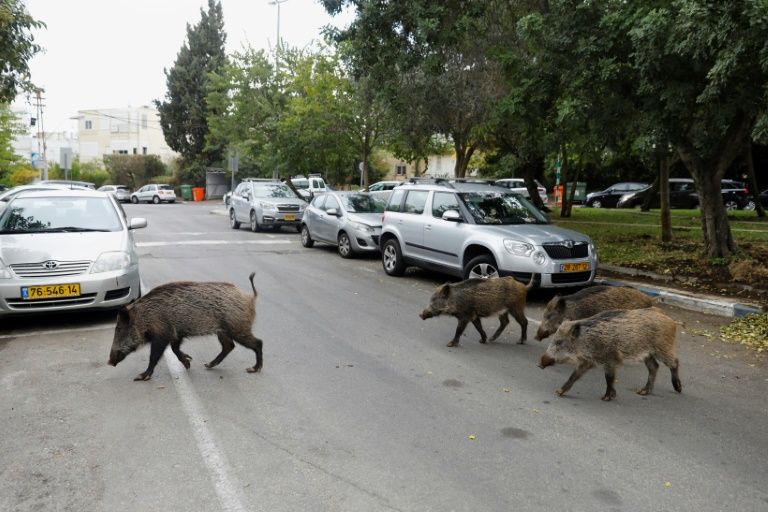
In most parts of the world, seeing a wild boar running through the streets of a city, or even a village, is cause for concern, but in Haifa it’s “like seeing a squirrel”, exciting the first time it happens, part of daily life after that.
In 2019, residents reported 1,328 wild boar sighting to the authorities, and that number is expected to be even greater for 2020, due to the Covid-19 lockdown, but Israeli officials have yet to make the data public.
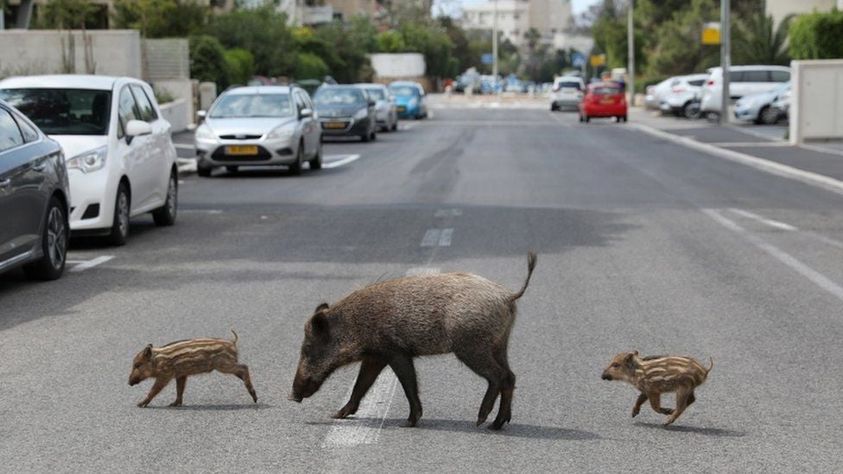
The ever-growing presence of the boars have created tension between locals who enjoy having them around and those who want them gone, but also between locals and the authorities who have proven powerless to keep the wild animals at bay.
Trash cans have been chained up to prevent the boars from digging through them, parks and ravines have been fenced up, but nothing seems to keep the resourceful creatures away.
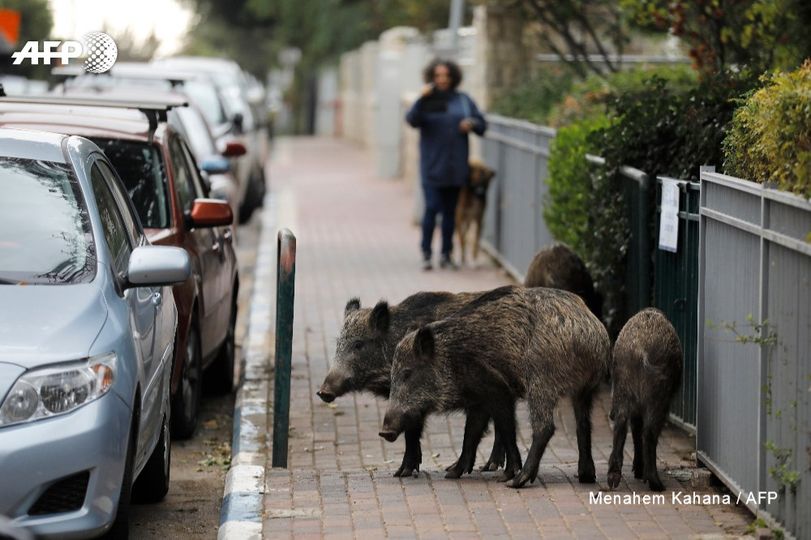
While some in Haifa love nothing more than crossing paths with the boars or at least observing them from a distance, to others the wild animals are nothing more than dangerous pests that pose both a physical threat and a risk of spreading disease.
There have been reports of people chased by 300-pound boars (mostly females protecting their young), property stolen by the animals, and even reports of children getting bitten.
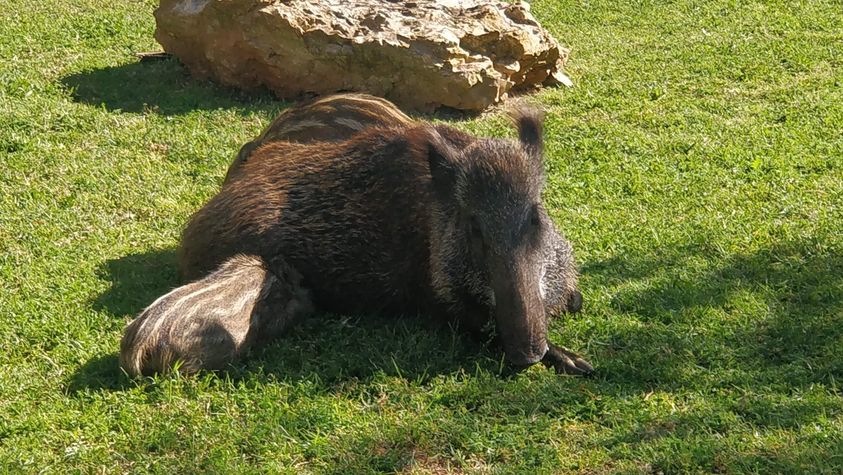
“They’re in control of the streets now, it’s a very crazy situation,” one person told the New York Times.
It is said that the wild boars first started venturing into Haifa around 2016, after a massive fire destroyed their natural habitat, others say that it’s the authorities’ fault for putting an end to boar shooting in the area around the city, but experts claim either theory is true.
The simple answer is that the boars were attracted by the abundance of food, and they stayed because there was always something to eat in the city.
With the coronavirus keeping people inside for months at a time, the wild boars of Haifa have only gotten bolder, but as tension rises among the human inhabitants, it will be interesting to see how the local authorities handle the situation going forward.
Latest Stories
-
UN Secretary-General names Ghana’s Anita Kiki Gbeho as South Sudan envoy
1 minute -
Mali withdraws recognition of Sahrawi Republic, backs Morocco’s autonomy plan
6 minutes -
Gov’t distributes over 8,500 laptops to One Million Coders project
7 minutes -
Julius Debrah, ‘man to beat’ as NDC’s James Agbey dismisses Musah Dankwah’s polls
13 minutes -
GPRTU in Savannah Region to protest alleged eviction in Damongo
42 minutes -
Re: Reinsurance does not replace process — A response to the SIGA–SIC defence
57 minutes -
Gender Ministry supports Harriet Amuzu in ongoing abuse case
1 hour -
AG joins plaintiff to scrap OSP ?: We should be mindful of the mischief in this – Bobby Banson
1 hour -
Samson Lardy Anyenini questions willingness of Attorneys-General to prosecute political colleagues
1 hour -
It is only fair the OSP is heard in Supreme Court case – Bobby Banson
1 hour -
Asiedu Nketia resumes Ashanti tour, second leg kicks off on Sunday
2 hours -
NLA denies salary cut claims, threatens legal action over reports
2 hours -
BoG Governor honoured for stabilising cedi, improve inflation
2 hours -
Kyebi Easter Homecoming 2026: A resounding success!
2 hours -
RNAQ divorce ruling: What the noise is hiding
2 hours