

Audio By Carbonatix
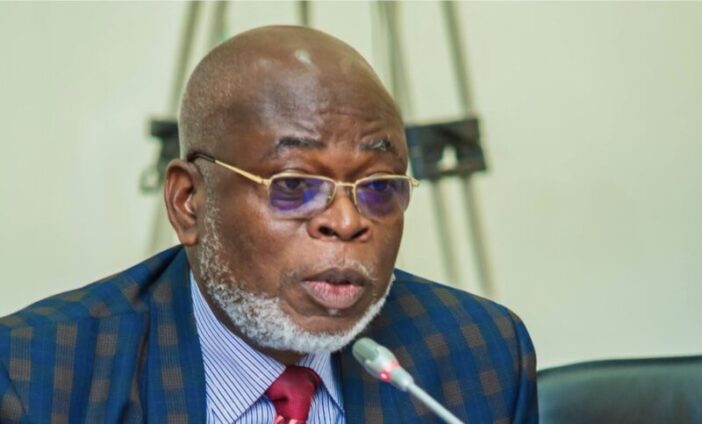
The former Chairman of the Public Accounts Committee (PAC) has revealed that many individuals who appear before the Committee dread the scrutiny of live television questioning, but ultimately, nothing comes of it.
James Klutse Avedzi, speaking on Joy News’ PM Express Business Edition last Thursday, explained that while the committee holds public officials accountable for financial mismanagement, the process rarely leads to actual prosecution or punishment.
“People know that the only difficulty is appearing before the PAC. You come on television, your family and friends will see you when you are interrogated, and whether you provide good answers or not, that is what they feared. But they also know that after that, nothing happens,” he lamented.
According to the Director General of the Securities and Exchange Commission (SEC), PAC’s role is often misunderstood by the public, who assume the committee has the power to impose penalties on the spot.
However, he clarified that PAC only reviews financial reports from the Auditor-General and makes recommendations, often for prosecution, to the AG.
“Ghanaians think that the committee has the power to punish people on the spot, but we do not. The committee doesn’t have that power. You can only recommend,” he stated.
He recalled his efforts to push for enforcement during his tenure as PAC chairman. Despite forwarding multiple names for prosecution, he said little action was taken.
“We recommended a number of people, I cannot even count them, to the Attorney General for prosecution. But at one point, the Attorney General told the committee there was no communication from Parliament to him.
"So I had to ensure that the clerk of Parliament officially communicated our decisions. Even then, it took almost two years before that happened. And yet, still, nothing has been done about it.”
Mr Avedzi expressed hope that under the new Attorney General, things might change.
He pointed to the Sky Train project investigation, noting that some recommendations for prosecution are now being acted upon.
However, he believes real change will only come when those found guilty are punished.
“Let’s punish the people. When people who need to be prosecuted are prosecuted, and when they are found guilty, they are punished, then it will serve as a deterrent,” he argued.
But as things stand, he said, the lack of enforcement emboldens individuals to continue engaging in financial misconduct.
“People know that after facing the Public Accounts Committee, the report goes back to the executive for implementation, but they don’t implement it. That is what we are lacking,” he concluded.
Latest Stories
-
GPL 2025/26: Dreams FC stage stunning comeback to hammer Eleven Wonders
1 hour -
Livestream: The Probe examines Kumasi’s looming water crisis
1 hour -
MTN Ghana gears up to lead Africa’s AI revolution
1 hour -
Philanthropist Alhaji FuZak donates Da’wah bus to Ambariya Sunni community
1 hour -
GUTA calls for suspension of Publican AI system over trade disruptions
2 hours -
TTAG raises alarm over proposed recruitment of 7,000 teachers, demands national posting roadmap
2 hours -
Civilians feared killed after reports of air strike on Nigerian market
2 hours -
Bishop Simon Kofi Appiah installed as new Jasikan Diocese Bishop
2 hours -
Trump’s Strait of Hormuz blockade threat raises risks and leaves predicaments unchanged
2 hours -
US Court backs extradition of former MASLOC CEO Sedina Tamakloe-Attionu to Ghana
3 hours -
Seven arrested as NAIMOS dismantles illegal mining camp, seizes firearms at Boin River
3 hours -
Fire erupts at Madina Ritz Junction, destroys multiple wooden structures and containers
3 hours -
Daniel-Kofi Kyereh returns from long-term injury, registers assist for Freiburg U23
3 hours -
Knifeman calling himself ‘Lucifer’ slashes three at NYC’s Grand Central
3 hours -
Brands are built from within to without
3 hours