

Audio By Carbonatix
The University of Ghana School of Public Health has dismissed allegations that it is tracking school children with ill-intents through an ongoing study.
The research is the Accra Urban Adolescent Nutrition study.
The study seeks to describe the nutritional status, dietary intake, physical activity patterns, and food environment of about 1,000 adolescents from low- and middle-class households in 10 selected neighborhoods in the Greater Accra Region.
The selected communities are Chorkor, Abelemkpe, South La, New Mamprobi, Achimota, Old Nungua, West Legon, Kokomlemle, New Town, and Nungua.
As part of the process to collect the data, participants in the study will wear a fixed belt with an accelerometer and GPS that will track their physical activity and movement trajectories over the period of the study.
This belt, for some, is with malevolent intentions.
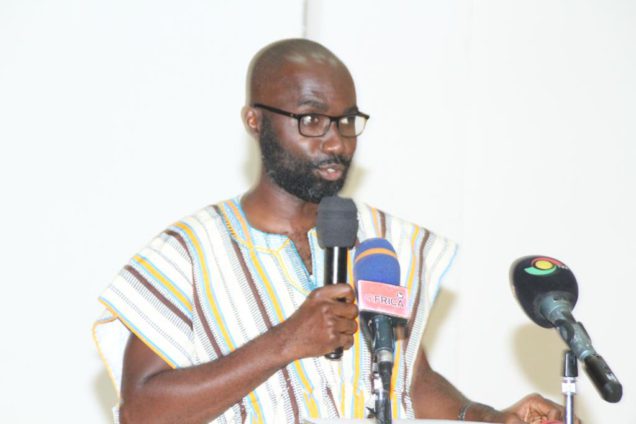
But addressing the press in Accra Friday, the project lead, Prof. Richmond Aryeetey, described the allegations as false.
“The devices and procedures are not intended to harm the children in any way. It is false that the devices given in the study are being used to track/monitor the children with ill-intent. On the contrary, the findings of the study will inform national policy and programmes on adolescent nutrition in Ghana,” he said.
He emphasized that the study has been approved and is being supported by relevant stakeholders including Noguchi, Ghana Health Service, and the Ghana Education Service.
“In line with international best practices and ethics of human subjects research, every child who participates must have both the parent/caregiver and the child give written informed consent and assent (that is their permission) for the household to be eligible for the study,” he said.
Giving further details about the study, Prof. Aryeetey said that participation is purely voluntary and is being undertaken by professionals
"During this 7-day period, the adolescents are invited to a central location in the community where trained biomedical scientists take a small amount of blood sample for laboratory assessment of their nutrient status."
"The study does not recruit just anyone for inclusion. They have to meet clear inclusion criteria for age, location, and consent," Prof. Aryeetey explained.
Latest Stories
-
GPL 2025/26: Dreams FC stage stunning comeback to hammer Eleven Wonders
2 hours -
Livestream: The Probe examines Kumasi’s looming water crisis
2 hours -
MTN Ghana gears up to lead Africa’s AI revolution
2 hours -
Philanthropist Alhaji FuZak donates Da’wah bus to Ambariya Sunni community
2 hours -
GUTA calls for suspension of Publican AI system over trade disruptions
2 hours -
TTAG raises alarm over proposed recruitment of 7,000 teachers, demands national posting roadmap
2 hours -
Civilians feared killed after reports of air strike on Nigerian market
3 hours -
Bishop Simon Kofi Appiah installed as new Jasikan Diocese Bishop
3 hours -
Trump’s Strait of Hormuz blockade threat raises risks and leaves predicaments unchanged
3 hours -
US Court backs extradition of former MASLOC CEO Sedina Tamakloe-Attionu to Ghana
3 hours -
Seven arrested as NAIMOS dismantles illegal mining camp, seizes firearms at Boin River
3 hours -
Fire erupts at Madina Ritz Junction, destroys multiple wooden structures and containers
3 hours -
Daniel-Kofi Kyereh returns from long-term injury, registers assist for Freiburg U23
3 hours -
Knifeman calling himself ‘Lucifer’ slashes three at NYC’s Grand Central
4 hours -
Brands are built from within to without
4 hours