


Audio By Carbonatix
African exporters and entrepreneurs are set to benefit from a new package of UK trade reforms unveiled on July 10.
The reforms are aimed at simplifying access to the UK market and deepening economic ties between the UK and developing countries.
The reforms include upgrades to the Developing Countries Trading Scheme (DCTS), notably simplified rules of origin.
This allows countries, including those further up the value chain like Nigeria, to source inputs from across Africa and still export finished goods to the UK tariff-free.
The move is expected to not only enhance trade with the UK but also stimulate intra-African trade, supporting the growth of the African Continental Free Trade Area, which holds an estimated market potential of $3.4 trillion.
In 2023, goods worth over £3.2 billion imported from African countries into the UK benefited from preferential terms under the UK’s development trading arrangements.
UK Minister for Development, Jenny Chapman, said, “The world is changing. Countries in the Global South want a different relationship with the UK as a trading partner and investor, not as a donor.
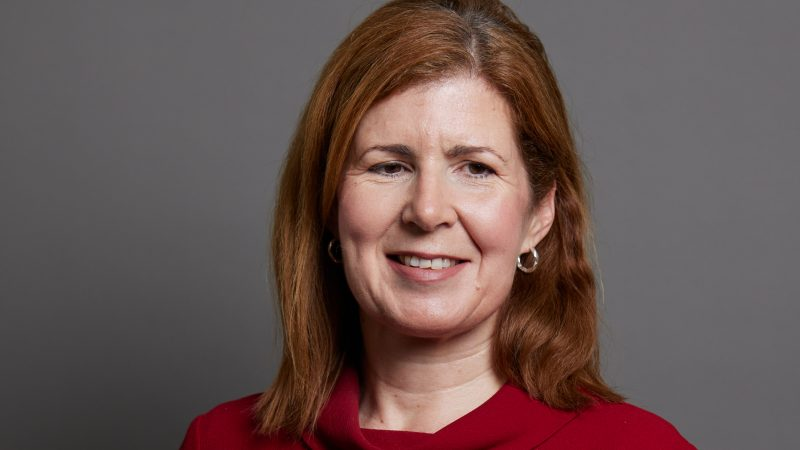
"These new rules will make it easier for developing countries to trade more closely with the UK. This is good for their economies and for UK consumers and businesses.”
Minister for Trade Policy, Douglas Alexander, added, “No country has ever lifted itself out of poverty without trading with its neighbours. Over recent decades, trade has been an essential ingredient in lifting hundreds of millions of people out of poverty around the globe.”
In addition to DCTS reforms, the UK will provide targeted support to help African exporters meet UK standards and navigate customs procedures.
It will also work to facilitate trade in services—such as digital, legal, and financial services—through strengthened trade agreements.
These measures are part of the UK’s broader Trade for Development agenda, which aims to promote economic growth in partner countries while ensuring UK businesses and consumers continue to access high-quality, affordable goods.
The reforms also align with the UK’s new Trade Strategy, which prioritises global partnerships and emerging markets.
Latest Stories
-
Bobby Banson condemns EOCO’s attempted arrest of Nana Agyei Baffour Awuah
4 minutes -
When Kumasi begins to look like somebody is in charge
4 minutes -
Parliamentary probe into cocaine seizure would be a waste of time – Inusah Fuseini
11 minutes -
Cocaine seizure: Focus on Ghana’s reputation, not partisan blame – Osae-Kwapong
17 minutes -
Two Invitations, Three Interrogations: Did Baffour Awuah tell the whole story?
26 minutes -
Drug cartels may be seeing Ghana as easy route – Lenin Anane Agyei
1 hour -
Ghana risks gaining notoriety as drug-trafficking hub – Bobby Banson
1 hour -
Government dismissed my drug trafficking warning, then tried to arrest me – Ntim Fordjour
2 hours -
Day Two: 3rd Republic Bank-JoyNews Habitat Fair Clinic underway at Junction Mall
2 hours -
NACOC addressing inherited gaps in fight against drug trafficking – Deputy Director-General
2 hours -
Taekwondo goes to school as GTF launches five-region youth campaign
2 hours -
The issues Mourinho is struggling to fix at Real Madrid
2 hours -
Hundreds throng EducationUSA College Fair in Kumasi in pursuit of abroad studies
2 hours -
Drug bust: NACOC should be part of port inspection team – Twum-Barimah
2 hours -
Ward appointed Liverpool’s sporting director
2 hours