

Audio By Carbonatix
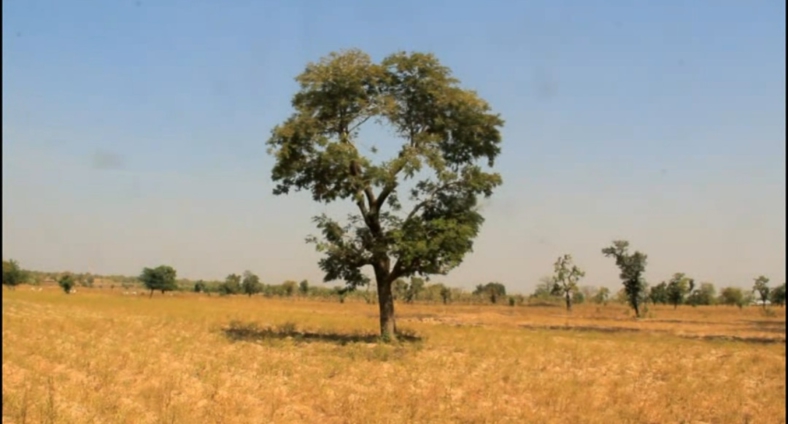
The West African Centre for Water, Irrigation and Sustainable Agriculture of the University for Development Studies (WACWISA UDS) is working in 15 communities in the Northern, Upper East and Upper West Regions to restore lost economic trees which are native to these regions.
Most economic, medicinal and edible trees in these areas are near extinction due to deforestation. This is not only affecting communities economically but also their ecosystems.
It is in this light that WACWISA UDS is leading the implementation of the Climate Resilience and Ecosystems Services (CRES) Project with eight research, academic institutions and private entities in Ghana, Burkina Faso and Denmark to restore these trees.
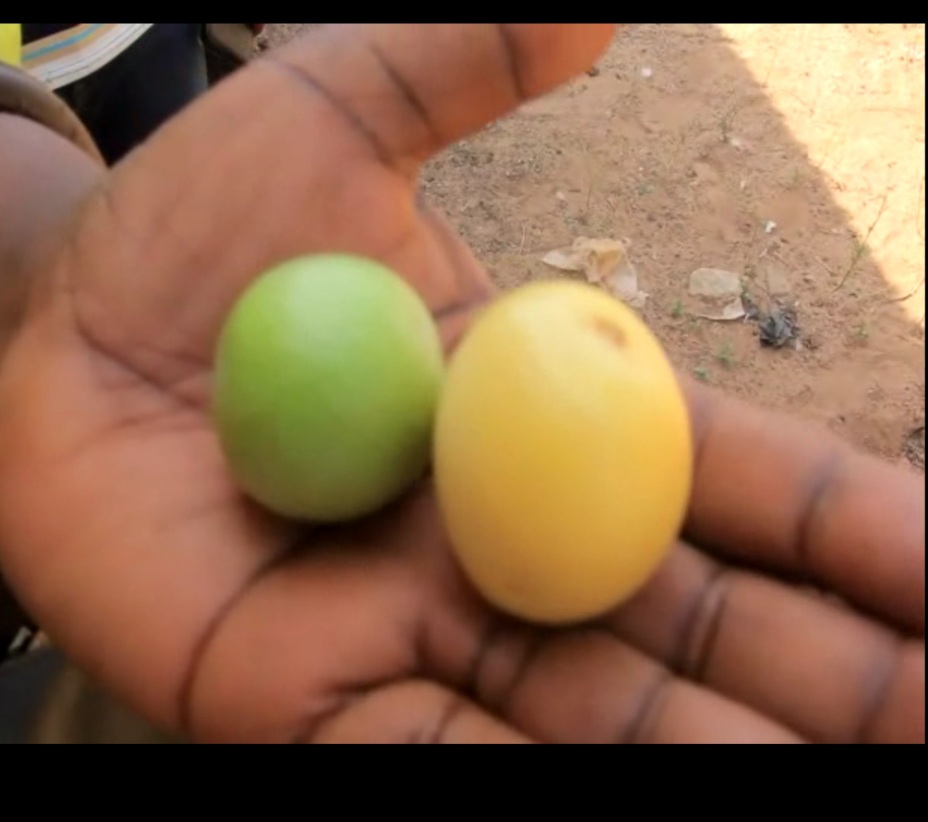
The Project which is being funded by the Ministry of Foreign Affairs of Denmark is working to restore six different tree species like the Dawadawa, Marula, Baobab, Bombax Lanea and Jujube.
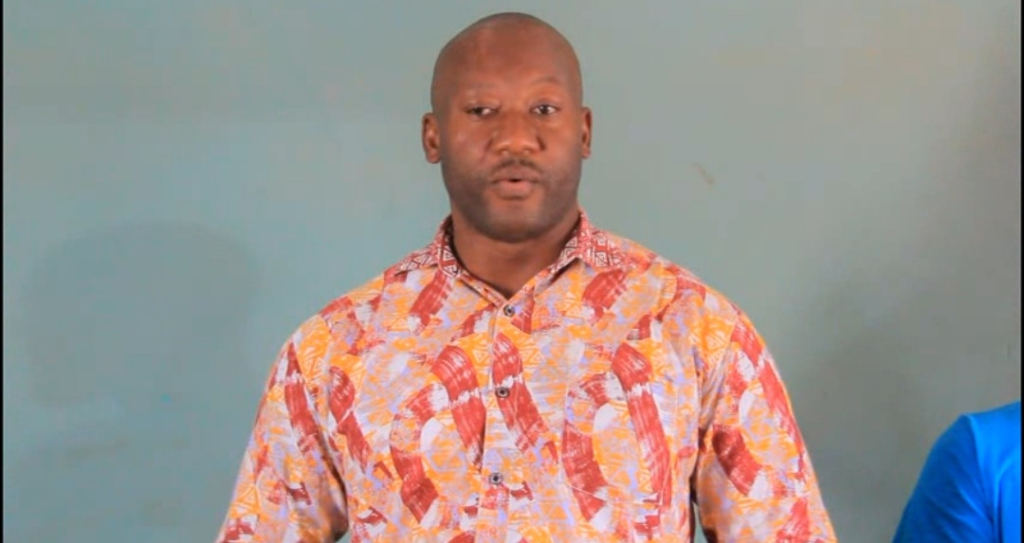
Speaking at Gunda in the Kumbungu District, Project Lead and Director of WACWISA-UDS, Prof. Felix Kofi Abagale said there were some trees that were adaptable to the area and have lots of benefits to the people but the tree is gradually being degraded.
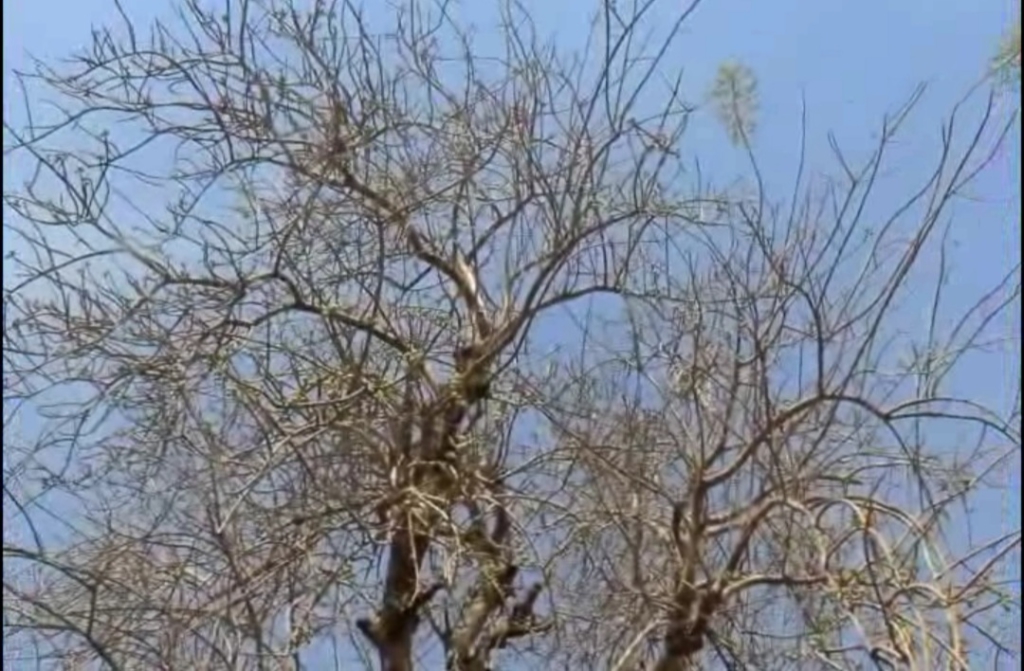
He said trees that were planted several decades ago are what have survived all these years.
“We have observed that there are some trees that are adaptable to our environment, which have so many benefits to us but these trees are gradually being degraded. When I look around, all, the baobab trees I have seen I can confidently say that they are older than all of us and the question is if we in our time we don’t have any baobab trees then how will the future look, what will those who will come after us depend on. So we are looking at how we can support the planting of these trees beyond the life of the farmer,” Professor Abagale said.
According to him, the project will not only support the farmers to plant the trees but also to educate them on the nutritional value of these plants.
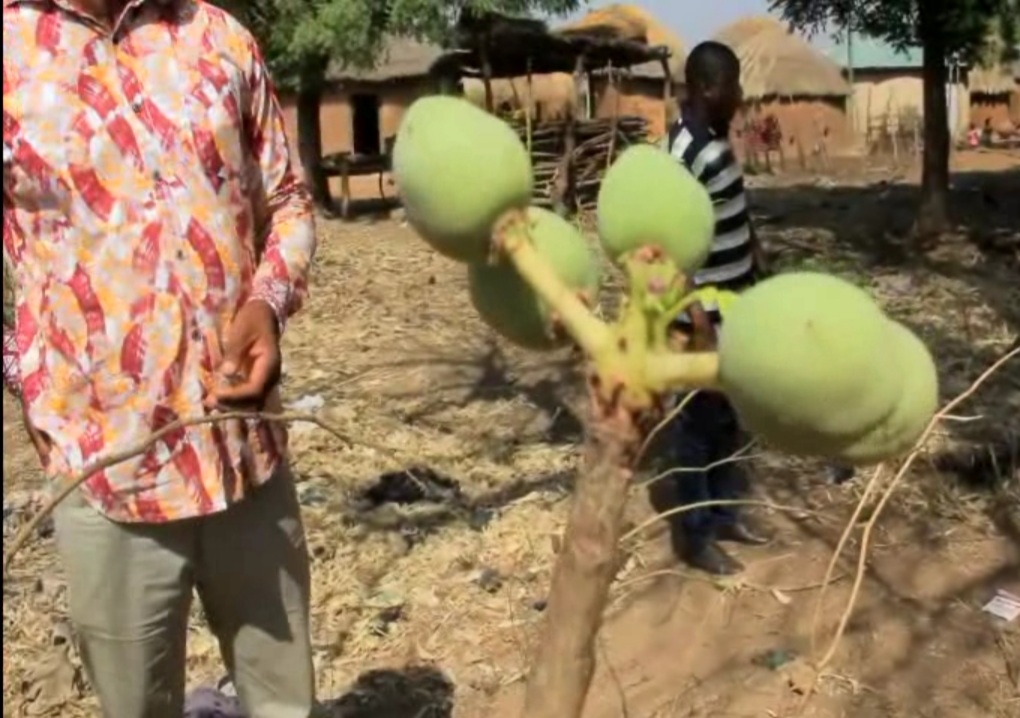
“I went to Nandom and I asked people how many of us know that the Baobab is more beneficial to us than the orange in terms of vitamins. Most of us don’t know that the Baobab fruit has 10 times the vitamin concentration than orange,” Professor Abagale said.
He added that the oil of the Baobab seeds is the most expensive oil in the world, adding that the entire Baobab tree stemming from the roots to the fruit has benefits to the people.
Professor Abagale also talked about the health benefits of the Dawadawa tree to the people.
“We have the chief of Dawadawa, what this means is that in the past they recognised the importance of the plant. But what do we have now the women would rather prefer to buy maggie which is salt and flavor than use dawadawa. So we have to think of these things if not for us but for those yet unborn,” he said.
The Chief of the area, John Mahama Yakubu who described the intervention as timely said most of the trees are sources of income for the people.
He added that the dawadawa tree serves as fuel, food and for plastering their houses. Naa Mahama said the scarcity of these trees is posing a challenge for the people.
“Between today and yesterday, there was a bigger problem we are trying to solve because of a tree. The women were cutting a tree but the next community said the tree is not for us so they seized the pans and cutlass of the women. It almost turned into a fight and is all because of the scarcity,” he said.
He said the project will help rescue communities from poverty and nutritional deficiencies, adding that 90 percent of their trees are depleted therefore they see the project as another opportunity to restore trees in the area.
The women’s leader, Bamunu Peter who spoke to JoyNews said they did not know the importance of trees in the past that is why they cut their trees. But the project has taught them the benefits of these trees for medicine, nutrition and economic benefits.
She said they regret cutting the trees in the past which is why they have received the project with excitement.
She however raised concerns about land to plant the trees. They said their husbands are unwilling to let out lands for the tree planting exercise.
Latest Stories
-
GPRTU taskforce clamps down on unapproved fares at Kasoa
34 seconds -
Prime Insight: Making room for meaningful national conversations on Joy Prime
11 minutes -
FABAG commends Ato Forson’s over removal of 20% excise duty on locally manufactured fruit juices
18 minutes -
HIV stigma discourages testing, prevention and treatment in Ghana – Ghana AIDS Commission
21 minutes -
Blocking cocaine probe lends weight to claims of political protection for traffickers – Assin South MP
24 minutes -
NPP Vice Chair race: I may be the youngest, but most experienced – Nana B
27 minutes -
Last UK and US troops leave Iraq as anti-Islamic State mission ends
27 minutes -
Don’t stay home idle, embrace entrepreneurship while awaiting posting – Unemployed nurses urged
39 minutes -
Aayalolo buses not speeding on contra-flow lanes – GAPTE assures commuters
41 minutes -
Effia MP calls for Kurt Okraku’s removal, overhaul of Ghana football structure
42 minutes -
CAS hearing on AFCON final appeal by Senegalese Football Federation set for October 8
43 minutes -
STC fares to go up by up to 8% this week – Deputy MD
44 minutes -
Photos: Accra-Kumasi bypasses get new lease of life as contractors return to site
44 minutes -
Man allegedly swallows five SIM cards to conceal evidence after arrest
45 minutes -
After three finals, Ayikuma Methodist Basic School finally lifts National Juniors Challenge trophy
45 minutes