

Audio By Carbonatix
Weak cross-border reporting, growing political influence and silence on key continental issues are weakening the ability of African media to properly inform citizens and defend democracy, participants at a forum in Accra have warned.
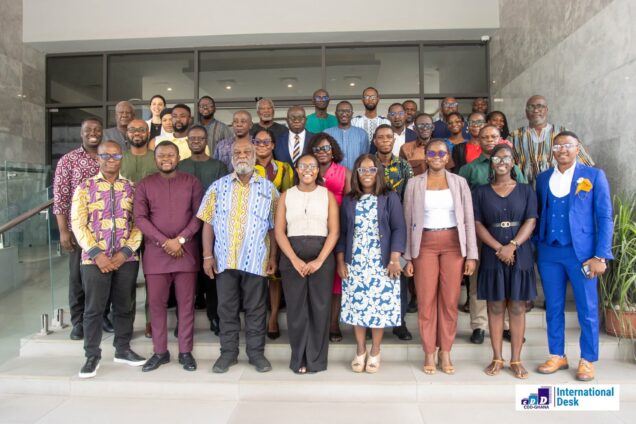
The concerns were raised at a policy dialogue organised by the Centre for Democratic Development (CDD-Ghana) on the theme: Enhancing Media Capacity on Foreign Influence, Geopolitics and Democracy Resilience in West Africa.
Speakers said many media houses across Africa remain overly focused on domestic politics, paying little attention to developments in neighbouring countries despite the regional impact of political instability, insecurity and economic shocks.
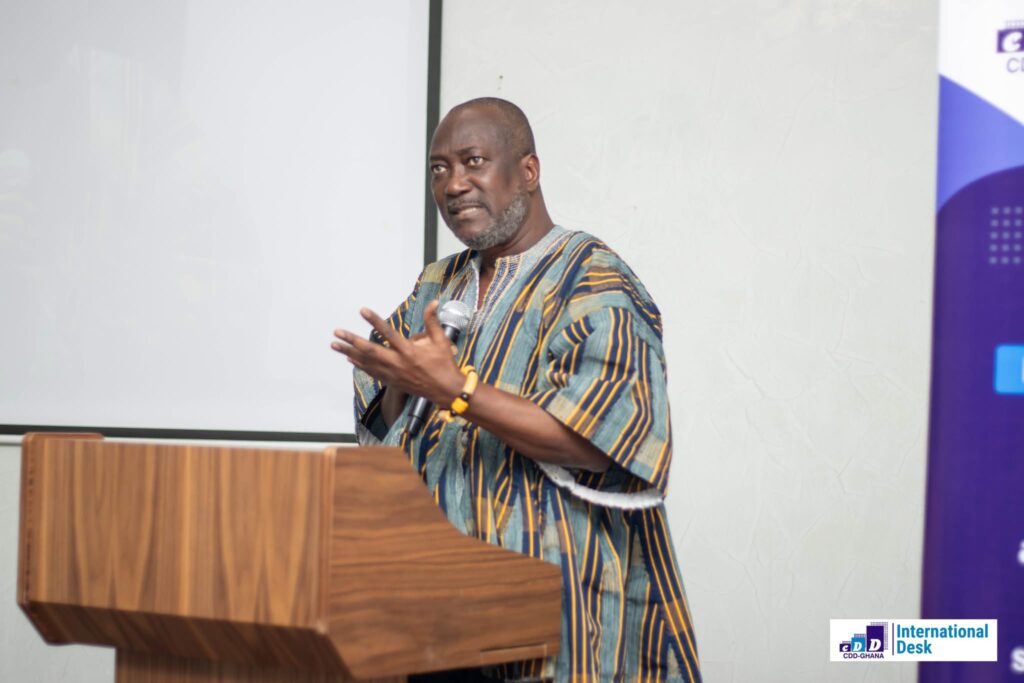
“Our media are very insular. Even the big national media hardly report on what is happening in neighbouring countries,” Professor Kwame Karikari said.
According to participants, this inward-looking approach often forces audiences to depend on international media outlets for stories about Africa, raising concerns about who controls the narrative on African affairs.
Providing context to the discussion, Executive Director of CDD-Ghana, Professor Henry Kwasi Prempeh, said civil society groups have in recent years shifted from country-specific advocacy to a broader regional strategy.
He said networks such as the West Africa Democracy Solidarity Network (WADEMOS), established in 2021, have worked across borders to support elections, engage public institutions and share democratic experiences.
“We started with about 30 members across the region… and began to have meetings, share experiences and support each other in national elections,” he said.
Prof Prempeh explained that the change became necessary because geopolitical developments increasingly affect democracy, peace and security in West Africa.
“We began to take seriously the geopolitical developments that were impacting the region… the various powers that were deepening their interest in the region,” he noted.
He added that an international desk had since been created to monitor foreign influence and emerging global trends affecting the sub-region.
Despite those efforts, he said the media has often been missing from such conversations, prompting organisers to deliberately engage journalists.
“We thought that we would gather here to engage an important actor that we usually do not bring into this conversation, which is the media,” he said.
Prof Prempeh also said Ghana’s media space remains heavily centred on domestic political developments, with insufficient attention paid to regional matters that could directly affect the country.
“We tend to focus a lot on what’s going on in Ghana… but it is important to break out of this insularity and look at the region as a whole,” he stressed.
He cited the refugee inflows into Ghana during conflicts in Liberia and Sierra Leone as examples of how crises in neighbouring countries can quickly become domestic concerns.
“When there are crises in neighbouring countries, we feel them… we are all in it together,” he added.
The forum also examined growing partisan influence in newsrooms, with participants warning that political actors are increasingly shaping the media agenda.
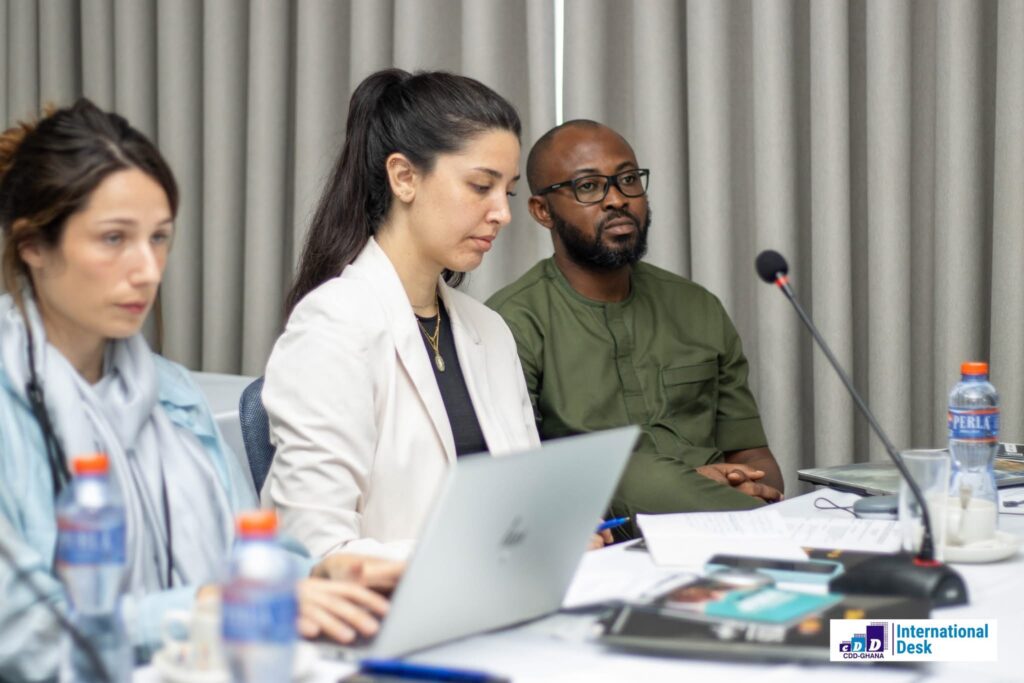
“The political parties have succeeded in setting the agenda… rather than the media setting it,” Prof. Karikari said.
He further warned that Africa’s weak internal coordination leaves the continent vulnerable at a time of intense global competition for natural resources.
“Africa’s minerals are easy prey for external powers because we are not even trying to make full use of them ourselves,” he stated.
Network Coordinator of WADEMOS, Paul Osei Kuffour, described the current moment as a defining one for West Africa, as the region faces democratic setbacks, foreign pressure and a fast-changing information environment.
“West Africa stands at the crossroads of complex geopolitical shifts where global and regional powers are increasingly shaping political, economic and information landscapes,” he said.
He warned that journalists now operate in an era where misinformation spreads rapidly, often leaving little time for proper fact-checking.
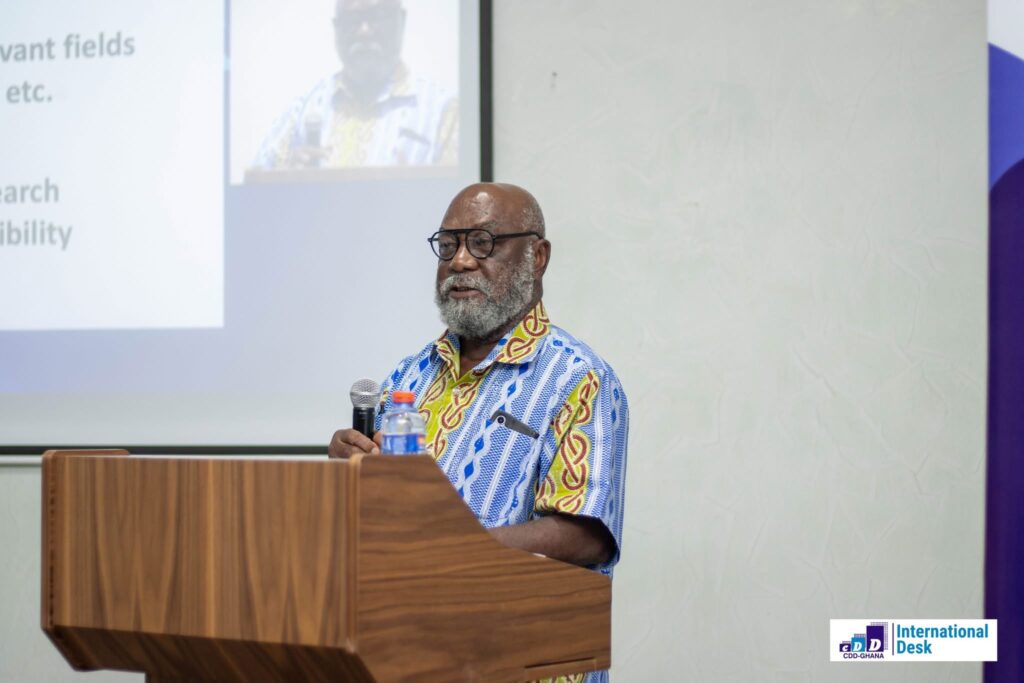
“The speed at which information spreads leaves little room for verification without the right tools and skills,” he noted.
Mr Kuffour said strengthening the capacity of journalists is now essential to protecting democratic systems across the region.
“Enhancing media capacity is no longer just about improving reporting. It is about strengthening the very foundations of democracy,” he said.
Participants also discussed proposals for stronger citizen participation in ECOWAS governance, including the creation of an Economic, Social and Cultural Council to serve as a consultative platform for citizens across the bloc.
Latest Stories
-
‘Our missing players are more important’ – Gambia coach fires shot at Ghana
43 minutes -
Today’s front pages: Tuesday, September 29, 2026
45 minutes -
Ghana ‘showing up differently’ on global stage – Joyce Bawah Mogtari
1 hour -
Ghana’s tuna industry in crisis as 20 hook-and-line vessels collapse
2 hours -
South Tongu MP launches apprenticeship programme for 159 young people
2 hours -
The Pusiga connection behind Gertrude Atongi’s work in New York
3 hours -
Teachers took promotion exams in December to beat government clearance deadline – GNAT
3 hours -
NPA launches 2026 staff welfare week with focus on teamwork and employee wellbeing
3 hours -
Ghana, Saint Kitts and Nevis sign labour deal to strengthen protections for Ghanaian nurses
3 hours -
Delayed promotions put teachers’ retirement benefits at risk – GNAT
3 hours -
No ‘Bawumia candidates’ in NPP executive elections – Anthony Karbo
3 hours -
Over 3,000 displaced as flooding overwhelms Hohoe communities
3 hours -
Sunyani East NPP executives begin reconciliation drive ahead of 2028 polls
3 hours -
Agric Minister engages Ga Mantse on agriculture transformation agenda
3 hours -
Aayalolo expansion targets private car users, not trotro operators – Mahama Ayariga
3 hours