

Audio By Carbonatix
The World Health Organization (WHO) recommends a comprehensive set of tobacco cessation interventions, including behavioural support delivered by health-care providers, digital cessation interventions and pharmacological treatments in a first guideline on tobacco cessation.
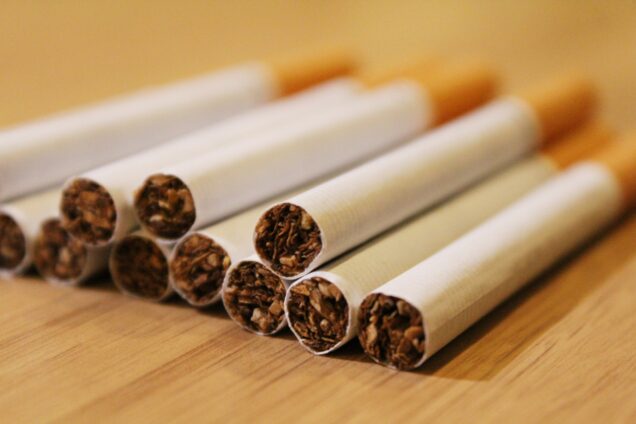
The guideline focuses on helping the more than 750 million tobacco users who want to quit all forms of tobacco. The recommendations are relevant for all adults seeking to quit various tobacco products, including cigarettes, waterpipes, smokeless tobacco products, cigars, roll-your-own tobacco, and heated tobacco products (HTPs).
“This guideline marks a crucial milestone in our global battle against these dangerous products," said Dr Tedros Adhanom Ghebreyesus, WHO Director-General. "It empowers countries with the essential tools to effectively support individuals in quitting tobacco and alleviate the global burden of tobacco-related diseases.”
Over 60% of the world's 1.25 billion tobacco users – more than 750 million people – wish to quit, yet 70% lack access to effective cessation services. This gap exists due to challenges faced by health systems, including resource limitations.
“The immense struggle that people face when trying to quit smoking cannot be overstated. We need to deeply appreciate the strength it takes and the suffering endured by individuals and their loved ones to overcome this addiction,” said Dr Rüdiger Krech, Director of Health Promotion at WHO. ”These guidelines are designed to help communities and governments provide the best possible support and assistance for those on this challenging journey.”
Effective therapies for quitting tobacco
Combining pharmacotherapy with behavioural interventions significantly increases quitting success rates. Countries are encouraged to provide these treatments at no or reduced cost to improve accessibility, particularly in low- and middle-income countries.
WHO recommends varenicline, Nicotine Replacement Therapy (NRT), bupropion, and cytisine as effective treatments for tobacco cessation.
In 2023, WHO initiated a prequalification procedure for medicinal products against disorders caused by tobacco use to improve global access to recommended tobacco cessation medications. In April 2024, Kenvue’s nicotine gum and patch became the first WHO-prequalified NRT products.
WHO recommends behavioural interventions, including brief health worker counselling (30 seconds to 3 minutes) offered routinely in health-care settings, alongside more intensive behavioural support (individual, group, or phone counselling) for interested users. Additionally, digital interventions such as text messaging, smartphone apps, and internet programmes can be used as adjuncts or self-management tools.
WHO encourages health-care providers, policy-makers, and stakeholders to adopt and implement this guideline to promote tobacco cessation and improve the health of millions of people in need worldwide.
Latest Stories
-
Brandon Asante and Coventry all but promoted to Premier League despite Sheffield Wednesday draw
18 minutes -
GPL 2025/26: Late Kwartemaa strike downs Hearts in Tema
24 minutes -
Ghana Faces Sierra Leone Moment as Prosecutorial Powers come under strain
34 minutes -
Don’t consume fish or seafood from Tema Shipyard until further notice – FDA warns
39 minutes -
Why volunteering might be Africa’s most underrated career accelerator
45 minutes -
ActionAid Ghana raises concern over gender gaps in Feed Ghana Programme
47 minutes -
Windstorm wreaks havoc in Gushegu, displacing nearly 2,000 residents and damaging schools
50 minutes -
Friends of Bridget Bonnie Marks her 35th birthday with donation to Kasseh Model Health Centre
2 hours -
From Ekumfi Kokodo to the Pulpit Stage: Essi Donkor’s gospel journey takes shape
2 hours -
Landfilling waste management creates no value, it’s an economic waste
2 hours -
Photos: Speaker Bagbin Commissions MPs constituency office under parliamentary decentralisation programme
2 hours -
Black Stars technical advisor Winfried Schäfer sacked as GFA shakes up backroom staff
2 hours -
Wenchi water project almost complete, critical to gov’t agenda – GWL MD
3 hours -
Anti-LGBTQ+ bill not part of government’s legislative agenda – Inusah Fuseini
3 hours -
Anti-LGBTQ Bill: Forget the rumour mongers, I’m a man of action, and will pass the bill – Speaker
3 hours