

Audio By Carbonatix
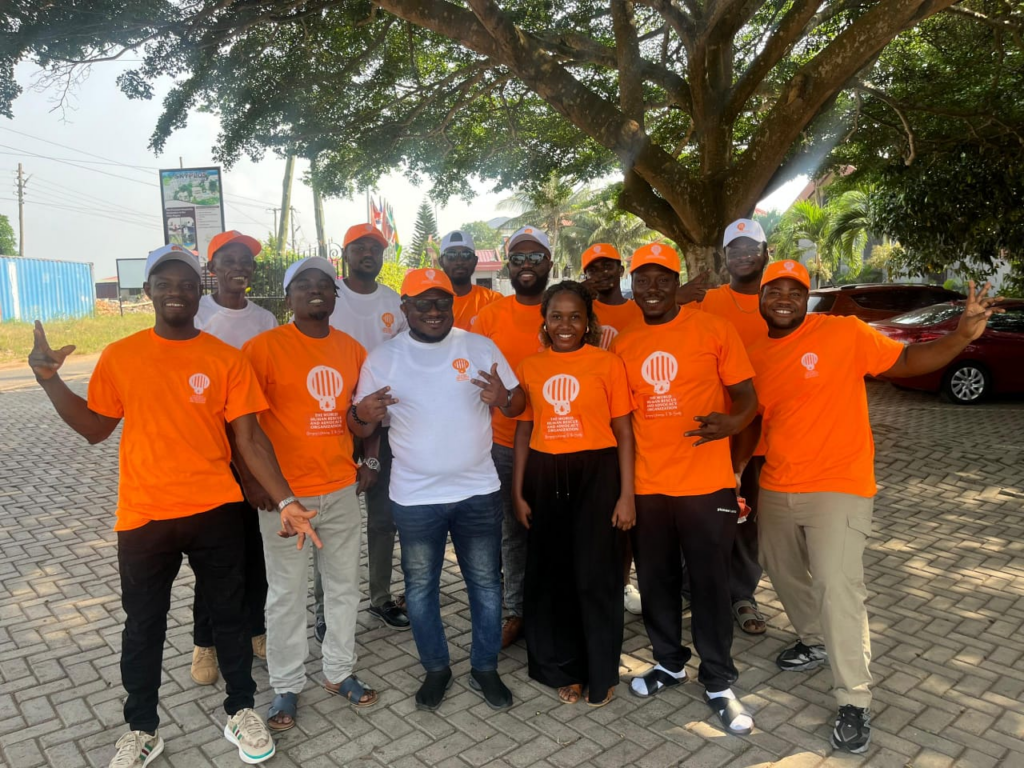
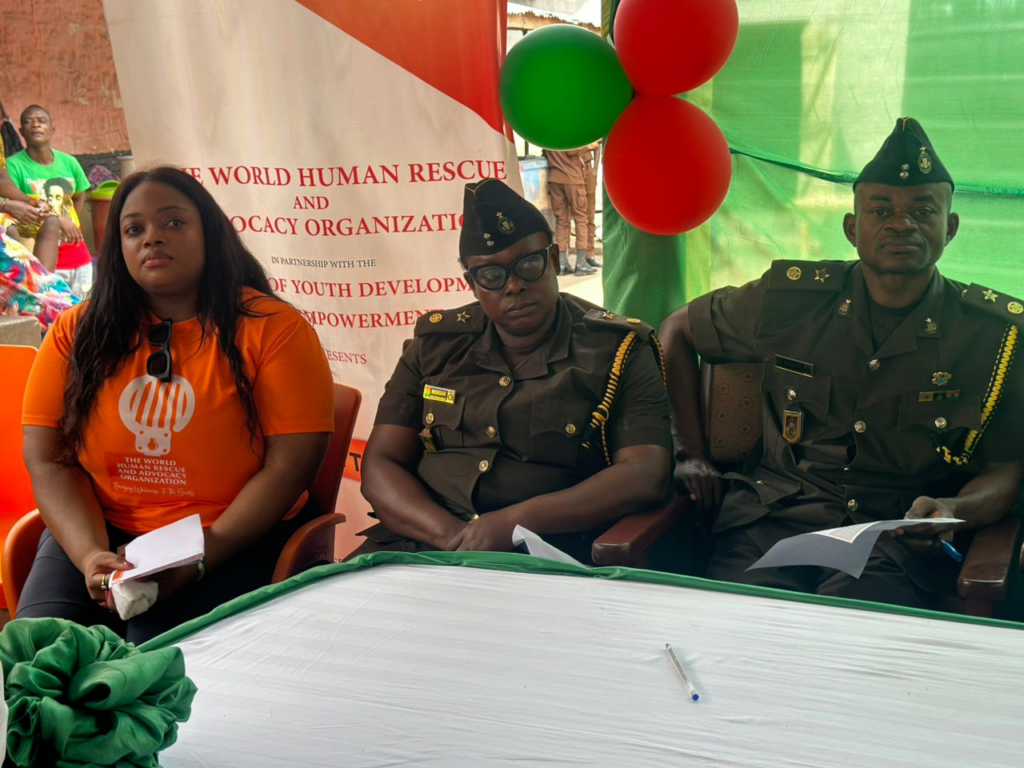
The World Human Rescue and Advocacy Organisation (WHRAO) has unveiled a GH₵2.67 million action plan to tackle prolonged pre-trial detention and reintegration challenges within Ghana’s justice system.
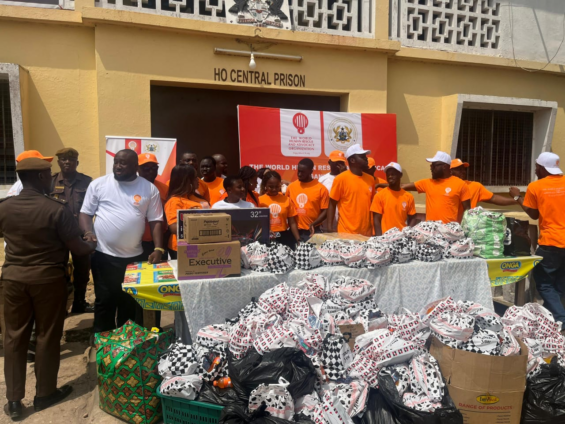
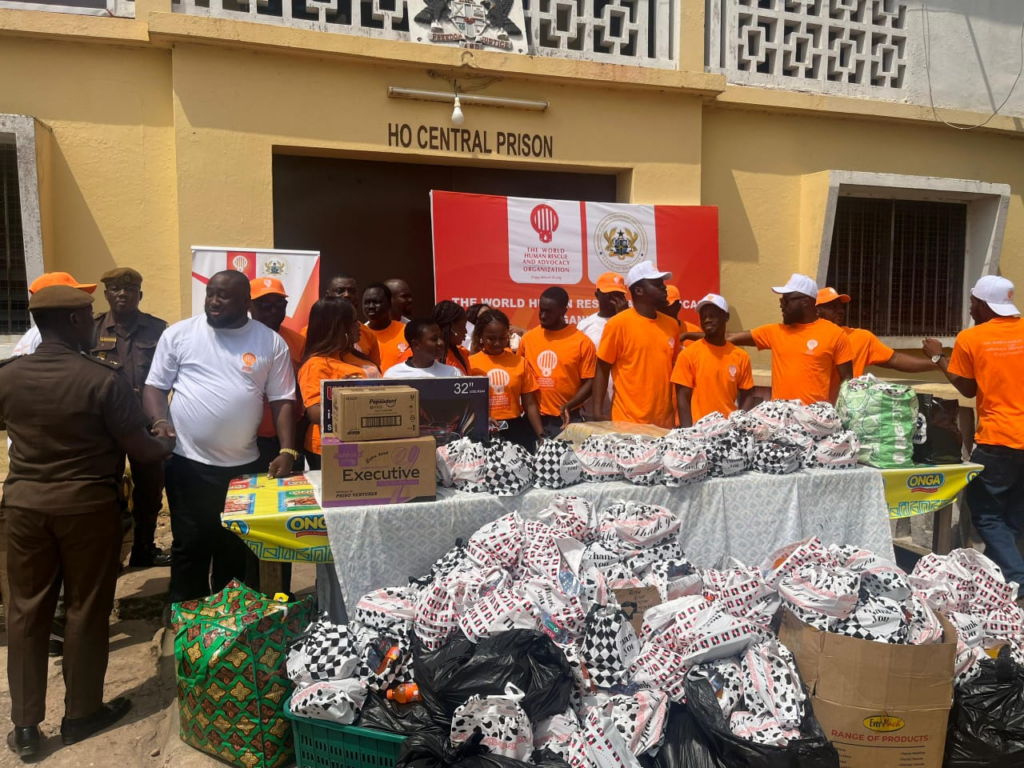
The initiative, themed “Righting the Scales,” presents a structured, data-driven response to systemic delays that continue to slow justice delivery, overcrowd correctional facilities and deepen social inequality. The programme will be implemented in the Greater Accra Region and Volta Region, with a strong operational focus on facilities such as the Ho Central Prisons.
According to the organisation, many inmates remain in detention not because they have been convicted, but because they lack the financial means to secure bail or access legal representation. This situation, it is noted, places strain on families, overstretches public resources and increases the risk of re-offending due to limited economic opportunities after release.
WHRAO’s intervention is structured around a four-pillar strategy addressing legal, social, economic and policy-related challenges.
The first pillar, Legal Advocacy and Bail Intervention, focuses on identifying inmates eligible for support and providing case reviews, legal coordination and assistance to meet bail conditions.
The programme targets counselling at least 300 inmates annually, reviewing more than 100 case files and offering direct legal support to over 40 individuals. Early engagements at Ho Central Prisons have already supported inmates who have spent more than a year in remand to obtain key legal documents to facilitate bail applications.
The second pillar, Welfare and Dignity Support, aims to improve living conditions in correctional facilities through legal education, provision of medical supplies and distribution of hygiene packs, particularly for female inmates. The initiative is expected to reach at least 300 inmates, helping to restore dignity and reduce health risks in overcrowded facilities.
WHRAO is also prioritising Reintegration and Economic Stability, which focuses on reducing recidivism through vocational training and economic empowerment. The organisation plans to enrol 50 individuals in vocational training programmes, provide 30 start-up toolkits and monitor beneficiaries over a six- to twelve-month period to support sustainable reintegration into society.
The fourth pillar, Policy and Public Awareness, seeks to drive long-term reform through evidence-based advocacy. This includes publishing an annual Justice Impact Brief, organising stakeholder roundtable discussions and sustaining media engagement to strengthen national dialogue on justice reform.
The second pillar, Welfare and Dignity Support, aims to improve living conditions in correctional facilities through legal education, provision of medical supplies and distribution of hygiene packs, particularly for female inmates. The initiative is expected to reach at least 300 inmates, helping to restore dignity and reduce health risks in overcrowded facilities.
WHRAO is also prioritising Reintegration and Economic Stability, which focuses on reducing recidivism through vocational training and economic empowerment. The organisation plans to enrol 50 individuals in vocational training programmes, provide 30 start-up toolkits and monitor beneficiaries over a six- to twelve-month period to support sustainable reintegration into society.
The fourth pillar, Policy and Public Awareness, seeks to drive long-term reform through evidence-based advocacy. This includes publishing an annual Justice Impact Brief, organising stakeholder roundtable discussions and sustaining media engagement to strengthen national dialogue on justice reform.
Funding allocation under the plan shows that legal intervention accounts for the largest share of the budget at GH₵2.37 million, with the remaining funds supporting welfare, reintegration, policy advocacy and administrative costs.
The strategy also aligns with global development priorities, including the United Nations Sustainable Development Goals on justice, gender equality, economic growth and poverty reduction.
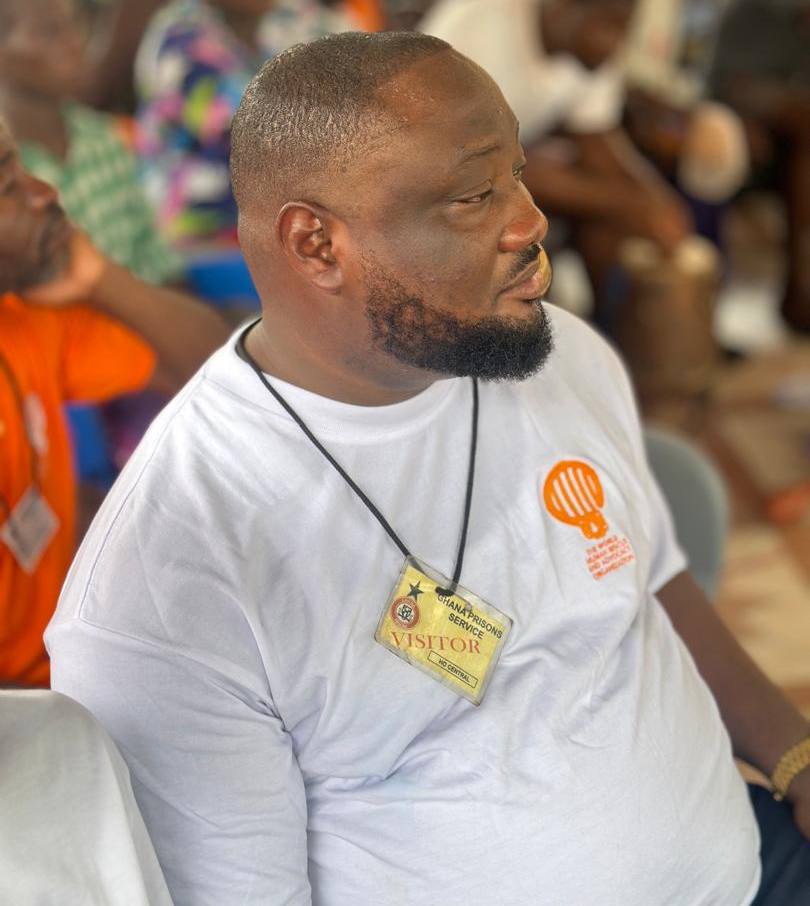
Speaking on the initiative, the Executive Director of WHRAO, Micheal Asare, emphasised the urgency of addressing inequalities within Ghana’s justice system, noting that prolonged detention without trial extends beyond legal concerns to social and economic consequences.
“Justice must not be defined by one’s financial capacity,” he stated. “What we are witnessing is a system where poverty is effectively criminalised. Individuals who are presumed innocent are spending years behind bars simply because they cannot afford bail or access legal representation. This is not just unjust—it is unsustainable for any society that seeks fairness and development.”
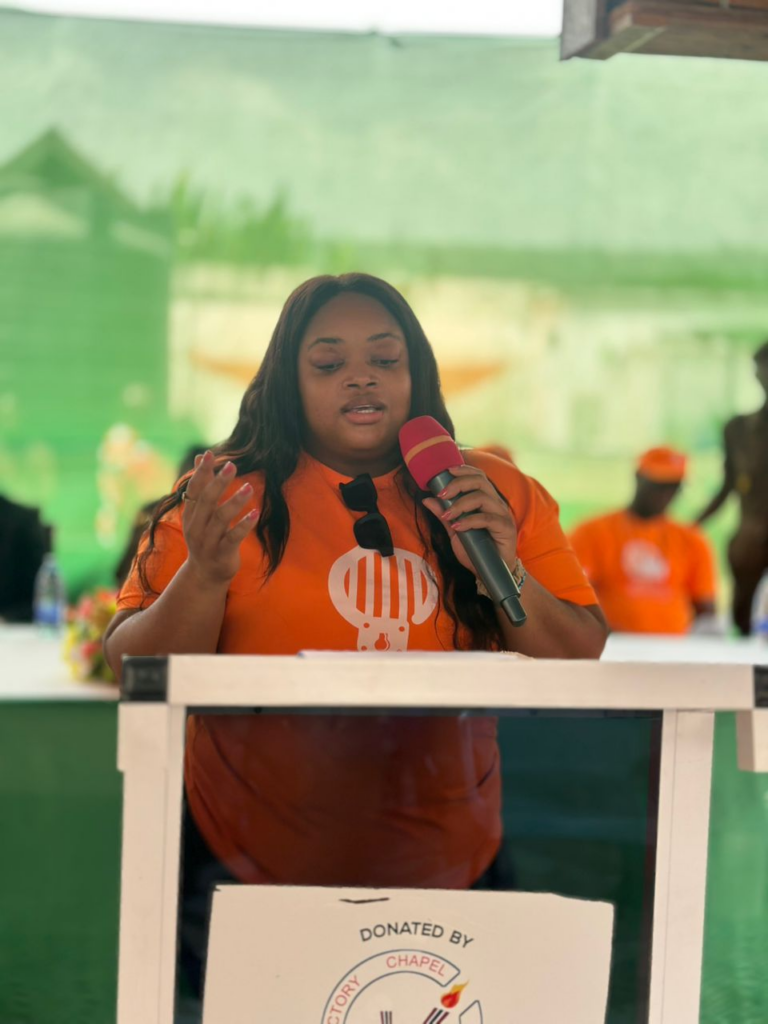
He explained that the intervention is designed to achieve measurable, long-term results by combining legal support, welfare assistance and economic reintegration.
“Our goal is to intervene before injustice becomes permanent. By combining legal support, welfare assistance, and economic reintegration, we are addressing both the symptoms and the root causes of the problem. This is about restoring dignity, strengthening families, and ultimately reinforcing public trust in the justice system,” he added.
Mr Asare also called on corporate institutions, policymakers and civil society organisations to support the initiative, stressing the need for collective responsibility in justice reform.
“This is not charity—it is a strategic investment in national stability. A fair justice system benefits everyone, and the time to act is now.”
Latest Stories
-
Police blur the line between invitations and arrests – Reindorf Twumasi Ankrah
19 minutes -
Turning invitations into arrests is making citizens reluctant to assist police – Twumasi Ankrah
53 minutes -
The Traffitech-GH SMS spot-fine system: The good, the sad, and the funny – Bright Simons writes
1 hour -
Hawa Koomson pledges experienced and mature leadership of NPP women’s wing
2 hours -
Young woman found dead at Kasoa Peace Town
3 hours -
Playback: The Law examined lawful arrest in Ghana
3 hours -
Mahama urges African governments to treat healthcare as an investment, not budget cost
4 hours -
Bawumia congratulates John Boadu and new NPP executives, pledges support ahead of 2028
4 hours -
Aksa Energy delegation pays courtesy call on GRA Commissioner-General
4 hours -
‘No talent should be left out’ – Bawumia pledges inclusive NPP campaign for 2028
4 hours -
Prof. Mike Oquaye recounts how he blocked the Special Prosecutor’s attempt to arrest Bawku Central MP
4 hours -
Make health sovereignty a priority for Africa – Mahama
4 hours -
Dorimon Naa, Wa West DCE lead massive clean-up exercise; threaten sanctions against recalcitrant residents
5 hours -
Photos from Adom FM Y2K Jam
5 hours -
Praye Tiatia steals the show at Adom FM Y2K Jam [Watch]
5 hours