

Audio By Carbonatix
The world's oldest multilateral climate fund, the Global Environment Facility, is planning a new wave of wildlife conservation bonds in a bid to help African countries save endangered species and ecosystems.
Wildlife bonds, which provide low-cost funding in return for cutting poaching or other measures, were pioneered in 2022 with a World Bank-backed rhino bond and have seen a number of other examples since.
The Reuters Daily Briefing newsletter provides all the news you need to start your day. Sign up here.
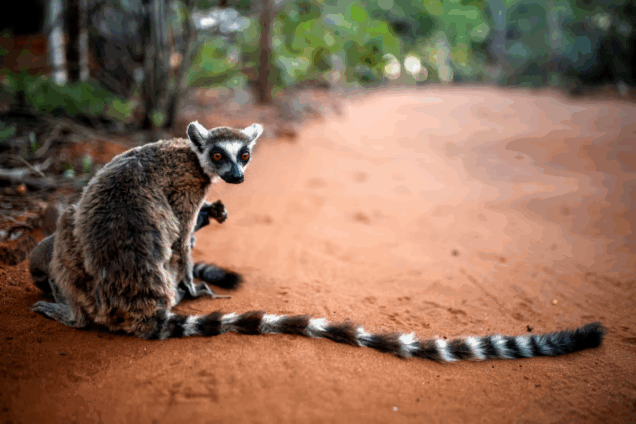
There was an issue targeting chimpanzee protection in Rwanda last year, and last month the GEF approved one for lemur conservation in Madagascar.
Fred Boltz, head of programming at GEF, which is linked to the World Bank, told Reuters on the sidelines of a meeting of African environment ministers that it aims to do one for every one of the 54 countries in Africa.
He said such a move would require an investment of $150 million from GEF, which would then be leveraged 10 times to provide a total of $1.5 billion for conservation efforts through other borrowing.
Money borrowed using wildlife bonds does not typically go onto the books of beneficiary governments, meaning they can offer much-needed financing to poorer countries, climate finance experts say.
They usually target emblematic species in order to appeal to specialist investors and wealthy philanthropists and their payouts are directly linked to conservation - the better the result the less the governments are usually required to pay out.
But GEF now hopes they can be expanded to include entire ecosystems such as wetlands, Boltz said.
The push by the fund, which was formed after the landmark Rio Earth Summit of 1992, comes as aid and development funding cuts by the United States and other major economies threatens some conservation projects.
"Many countries are asking, are suggesting, that in this tough official development assistance environment, that maintaining the last level of replenishment may be difficult," Boltz said, "and that we might need to try to do more with less".
The GEF has in total invested $7.7 billion in Africa in various projects, such as an $85 million effort to fight desertification in the Sahel region.
It is currently urging donors to replenish its cash for its next four-year cycle of programmes, starting next year.
Its last fundraising for its current cycle raised $5.3 billion - an increase of more than 30% from its last operating period amid a surge of support for international efforts to meet nature and climate targets.
That funding round got money from 29 countries, with the U.S. among the biggest donors, contributing $700 million.
Latest Stories
-
Brandon Asante and Coventry all but promoted to Premier League despite Sheffield Wednesday draw
20 minutes -
GPL 2025/26: Late Kwartemaa strike downs Hearts in Tema
27 minutes -
Ghana Faces Sierra Leone Moment as Prosecutorial Powers come under strain
37 minutes -
Don’t consume fish or seafood from Tema Shipyard until further notice – FDA warns
41 minutes -
Why volunteering might be Africa’s most underrated career accelerator
48 minutes -
ActionAid Ghana raises concern over gender gaps in Feed Ghana Programme
50 minutes -
Windstorm wreaks havoc in Gushegu, displacing nearly 2,000 residents and damaging schools
52 minutes -
Friends of Bridget Bonnie Marks her 35th birthday with donation to Kasseh Model Health Centre
2 hours -
From Ekumfi Kokodo to the Pulpit Stage: Essi Donkor’s gospel journey takes shape
2 hours -
Landfilling waste management creates no value, it’s an economic waste
2 hours -
Photos: Speaker Bagbin Commissions MPs constituency office under parliamentary decentralisation programme
2 hours -
Black Stars technical advisor Winfried Schäfer sacked as GFA shakes up backroom staff
2 hours -
Wenchi water project almost complete, critical to gov’t agenda – GWL MD
3 hours -
Anti-LGBTQ+ bill not part of government’s legislative agenda – Inusah Fuseini
3 hours -
Anti-LGBTQ Bill: Forget the rumour mongers, I’m a man of action, and will pass the bill – Speaker
4 hours