

Audio By Carbonatix
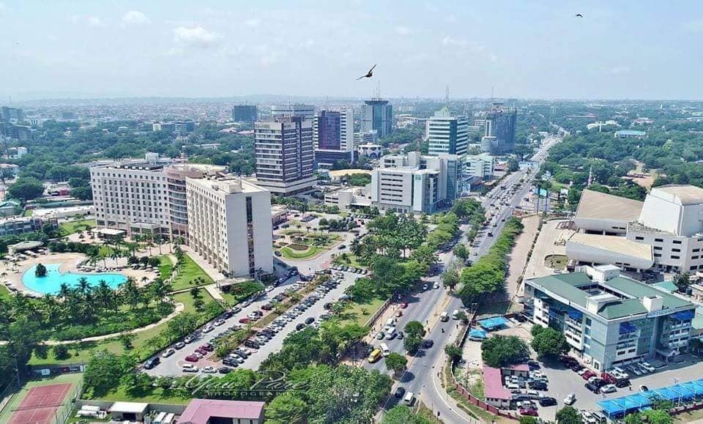
The Greater Accra Region recorded the highest number of both residential and non-residential structures of 2.1 million in Ghana, representing about 19.3% of all total structures nationally.
According to provisional estimates of the 2021 Population and Housing Census (PHC) by the Ghana Statistical Service, the number of structures in Greater Accra is however greater than the number of structures in six regions (North East, Savannah, Ahafo, , Upper West, Upper East and Oti regions) combined.
The GSS defined structures as residential, non-residential and uncompleted.
According to the PHC, three regions that is Greater Accra, Ashanti and Eastern combined have almost half (47.3%) of all structures listed.
Shockingly, the Ashanti region had the highest percentage of uncompleted structures, which was in excess of the national level of 20% of structures that were uncompleted. It had 22% of structures uncompleted.
The North East region registered the highest number of completed structures as 9 out of every 10 structures was completed.
At the national level, six out of every 10 structures (59.6%) was residential with the regional figures starting from just over half (53.1%) in the Western North and Bono Regions (53.7%) to almost three-quarters (73.5%) in the Savannah Region.
Greater Accra is most populous region
Meanwhile, Ghana’s population now stands at 30.8 million with the Greater Accra overtaking Ashanti as most populous region.
The Greater Acca region is made up of 5,446, 236 people as compared with 5,432,485 in the Ashanti region.
The Central Region is now the fourth most populous region following the splitting of the former Western, Brong Ahafo and Northern Regions who were all more populous than Central Region in 2010. It has a population of 2,859,821.
The Ahafo Region is the least populous region replacing the Upper West which had been the least populous in all the previous post-independence censuses. The Savannah and North East Regions are the second and third least populous regions respectively.
Data quality
The 2021 PHC instituted several data quality monitoring mechanisms and leveraged technology to implement interventions towards ensuring complete and accurate coverage.
These included the use of GIS technology and geospatial resources, such as collecting the GPS coordinates of all structures, use of census dashboard for real-time monitoring and continuous data validation by Data Quality Monitors at the various levels of operations.
Latest Stories
-
Mali withdraws recognition of Sahrawi Republic, backs Morocco’s autonomy plan
47 seconds -
Gov’t distributes over 8,500 laptops to One Million Coders project
2 minutes -
Julius Debrah, ‘man to beat’ as NDC’s James Agbey dismisses Musah Dankwah’s polls
8 minutes -
GPRTU in Savannah Region to protest alleged eviction in Damongo
37 minutes -
Re: Reinsurance does not replace process — A response to the SIGA–SIC defence
52 minutes -
Gender Ministry supports Harriet Amuzu in ongoing abuse case
1 hour -
AG joins plaintiff to scrap OSP ?: We should be mindful of the mischief in this – Bobby Banson
1 hour -
Samson Lardy Anyenini questions willingness of Attorneys-General to prosecute political colleagues
1 hour -
It is only fair the OSP is heard in Supreme Court case – Bobby Banson
1 hour -
Asiedu Nketia resumes Ashanti tour, second leg kicks off on Sunday
1 hour -
NLA denies salary cut claims, threatens legal action over reports
2 hours -
BoG Governor honoured for stabilising cedi, improve inflation
2 hours -
Kyebi Easter Homecoming 2026: A resounding success!
2 hours -
RNAQ divorce ruling: What the noise is hiding
2 hours -
Trade Minister applauds GUTA as a pillar of economic growth; Prez Mahama honoured
3 hours