

Audio By Carbonatix
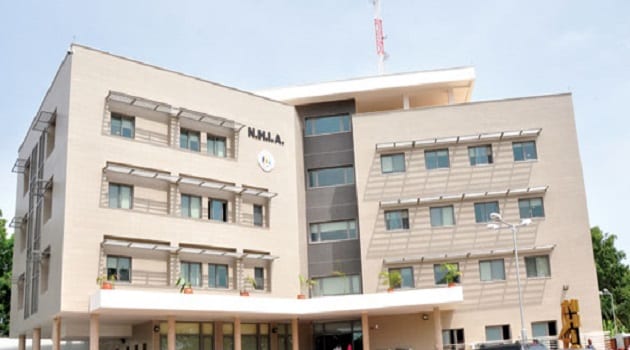
The National Health Insurance Authority (NHIA) has absorbed the cost of the issuance of the cards for an estimated three million children in the country to enable them to link up with the National Health Insurance Scheme (NHIS) to access primary health care.
Consequently, the NHIA will pay GH¢245 million to the National Identification Authority (NIA) to provide the Ghana Cards to children in that age bracket.
The Chief Executive Officer (CEO) of the NHIA, Dr Da-Costa Aboagye, who disclosed this at a workshop for journalists and other stakeholders in Kumasi last Saturday, said the intervention formed part of measures by the authority to ensure universal health coverage (UHC) for all.
Currently, those between the ages of zero and five years are expected to be issued with the Ghana Card at birth.
Members on the NHIS from 15 years and above are already being issued with the Ghana Card, enabling the NHIA to link their NHIS cards to it.
Nearly 900,000 out of the one million active SSNIT contributors on the NHIS have also been linked to their Ghana Cards, again allowing the NHIA to use the Ghana Card to authenticate their identity.
The records of an additional 1.3 million SSNIT contributors not enrolled on the scheme are going through the necessary data cleaning with the Ghana Card database.
Improving membership
Dr Aboagye pointed out that the provision of the Ghana Card to children below 15 years would help improve membership data through the linkage to the NIA database.
Besides, it would enhance the membership integrity of the NHIS and save the cost of procuring biometric cards for them, the NHIA CEO said.
The NHIS cards cost between $4 and $6, while the Ghana Card costs between $6 and $7. The NHIA believes it is not financially prudent to have two cards printed for the same person at that cost when they could easily link both databases.
The NHIA Board, therefore, decided to hand over the printing of cards to the NIA to provide NHIS subscribers with the Ghana Card, which would be linked with the NHIS subscriber numbers to ensure that only the national identification card would be used to access primary health care offered under the NHIS.
Preventive health care
Meanwhile, the NHIA boss said there was a proposal to introduce preventive healthcare programmes to help the nation attain objectives under the UHC by 2030. Expected to be rolled out this month, he said the programmes would focus on three key areas, namely hypertension, diabetes and body mass index check-ups.
Dr Aboagye added that wellness centres and clinics would be established to assist subscribers in checking their fitness and health. He explained that the authority had plans to send text messages to NHIS members annually on their birthdays to check on their health status at government hospitals in the country at the scheme’s expense.
Non-resident Ghanaians
On the issuance of NHIS cards for non-resident Ghanaians who visited the country, Dr Aboagye said the authority was seeking the advice of the Attorney-General and Minister of Justice and subsequent approval of Cabinet to introduce it.
The Board Chairman of NHIA, Dr Ernest Quarcoo, stated that health insurance was key to national development and, therefore, called for media support to improve the scheme, particularly, for the benefit of the vulnerable in society.
The Deputy Director of Quality Assurance, NHIA, William Omane-Adjekum, said the nation saved GH¢9.5 million from fraudulent claims last year. He said the digital platform for payments had made it possible for the NHIA to expose fraud and identity errors and abuse, saying, "We are employing Artificial Intelligence to determine outliers and trends in real time regarding insurance claims."
The Deputy Director in charge of Claims, NHIA, Theophilus Owusu-Ansah, said the authority received between GH¢20 million and GH¢30 million volumes of insurance from service providers annually.
The claims, he said, covered free maternal care, breast/cervical cancers and family planning, among other diseases. Mr Owusu-Ansah stressed that hypertension, diabetes and maternity care were the largest cost drivers of the scheme.
The Deputy Director of the Information Management System of NHIA, Joseph Annor, said 30 million Ghanaians were currently enrolled on the NHIS.
He said 17.9 million were active members.
Mr Annor added that the scheme had gone through various modes of system from the issuance of booklets to laminated cards, magnetic cards and the use of smart biometric cards currently.
Latest Stories
-
Anti-LGBTQ Bill: Forget the rumour mongers, I’m a man of action, and will pass the bill – Speaker
42 minutes -
Women and children among those killed in Sudanese army shelling of wedding celebration
45 minutes -
President Mahama is not sincere with Ghanaians on LGBTQ bill matter – Hassan Tampuli
1 hour -
Gov’t to establish Prison Industrial Hub to equip inmates with income-generating skills – Prison Service boss
1 hour -
Alhassan Tampuli donates cement, roofing sheets to support storm victims in Gushegu
1 hour -
Alhassan Tampuli appeals for urgent support for storm victims in Gushegu
1 hour -
The hypocrisy must stop; pass Anti-LGBTQ+ Bill now – Alhassan Tampuli to Mahama
1 hour -
Imprisonment should be rehabilitative, not punitive – Ghana Prisons boss at UNGA
2 hours -
Ga Adangbe traditional priests petition Mahama over McDan aviation licence revocation
2 hours -
Anti-LGBTQ Bill: NDC’s arrogance is worrying – Hassan Tampuli
2 hours -
Let’s give OSP time to mature, not to scrap it – Hassan Tampuli
2 hours -
Nigeria convicts 386 Islamist militants in mass trials
2 hours -
Djibouti president wins election with 97.8% of vote, state media says
2 hours -
We don’t have mandate to deduct tax from rent allowance of security services personnel – Interior Ministry clarifies
3 hours -
Ablakwa receives Presidential Special Envoy on Reparations to advance global agenda
3 hours